The End of an Era: Analyzing the Departure of James Gunn and Peter Safran from DC Studios

The landscape of modern superhero cinema has been seismically altered. In a development that has sent shockwaves through the entertainment industry, James Gunn and Peter Safran have officially stepped down as the co-heads of DC Studios. Their departure comes on the heels of the landmark merger between Warner Bros. Discovery and Paramount, which resulted in the formation of the new entertainment mega-corporation, Skydance. As the dust settles on this corporate restructuring, the industry is left to grapple with the sudden vacancy at the top of one of Hollywood’s most lucrative and scrutinized creative divisions.
With former Marvel executive Jeremy Latcham appointed to fill the void, the DC Universe (DCU) finds itself at a critical crossroads. The duo’s tenure, which began in 2022 with the promise of a revitalized, interconnected cinematic and television tapestry, was defined by a bold—and at times controversial—creative vision. As we look at the immediate aftermath, it becomes clear that this was not merely a administrative change, but a fundamental pivot in strategy for a brand struggling to find its footing in a post-peak superhero market.
A Chronology of the Shift
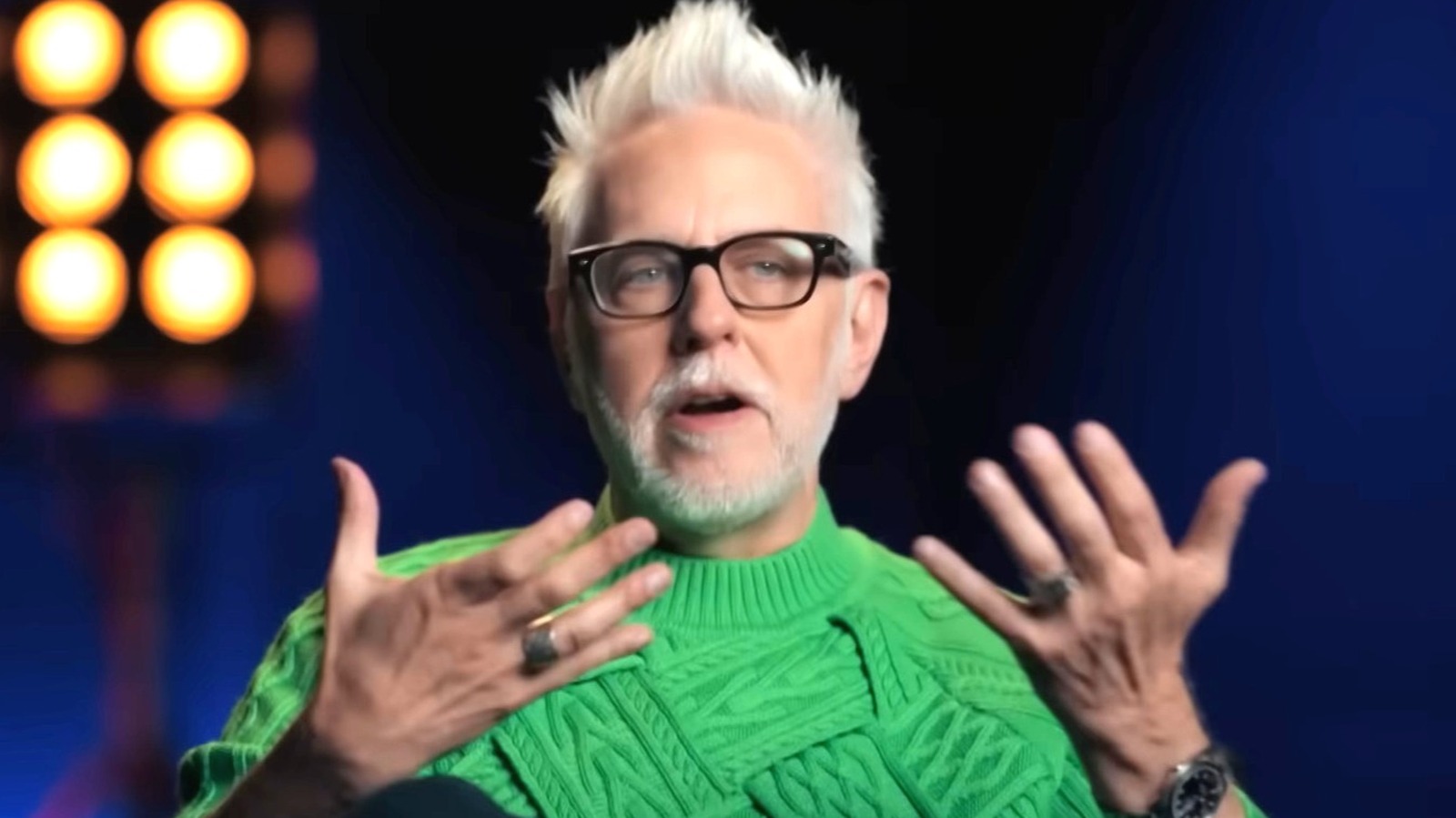
To understand the current state of affairs, one must look at the timeline of the "Gods and Monsters" era. In November 2022, Warner Bros. Discovery installed Gunn and Safran to oversee the newly minted DC Studios. Their mandate was clear: bring order to the chaotic DC slate and create a unified, long-term narrative roadmap.
- Early 2023: The pair unveiled the first chapter of their grand design, titled "Gods and Monsters." This slate prioritized lesser-known properties like Swamp Thing and The Authority alongside the flagship Superman feature.
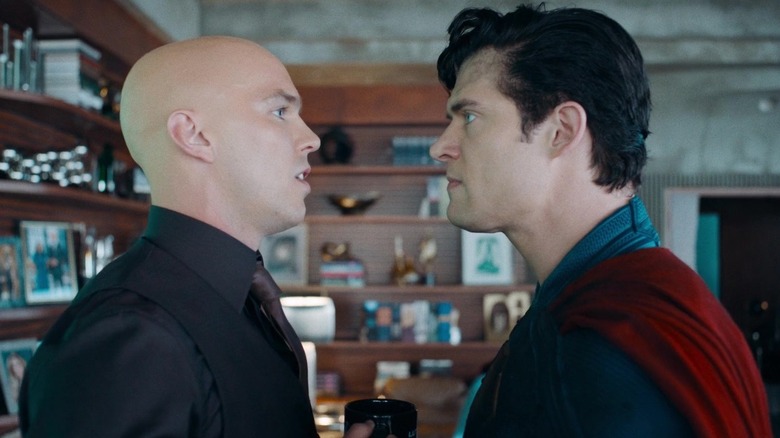
- 2024-2025: The rollout began in earnest, marked by the release of Superman, which netted $618 million globally. While a respectable figure, it failed to eclipse the box-office performance of Zack Snyder’s Man of Steel (2013), unadjusted for inflation.
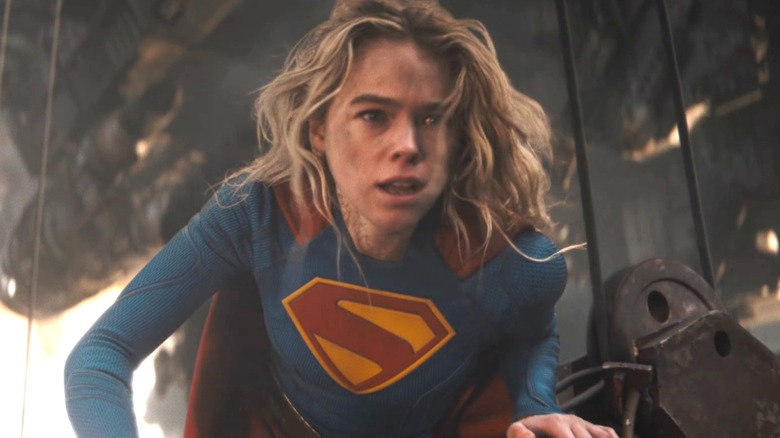
- Mid-2025: The performance of Supergirl served as a critical inflection point. With a production budget of $170 million and a lackluster global return of $126 million, the film underscored a growing concern among stakeholders regarding the commercial viability of the current creative direction.
- The Present: Following the finalization of the Skydance merger, the new corporate leadership concluded that a change in management was necessary to steer the studio toward a more commercially robust future.
Financial Realities: The Burden of the Bottom Line
While creative passion is the lifeblood of filmmaking, the cold, hard math of the box office is the lifeblood of a studio. The recent, well-documented struggle of the DC brand—often described as one of the most prolonged "bad streaks" in the history of the genre—has created an environment of extreme fiscal caution.
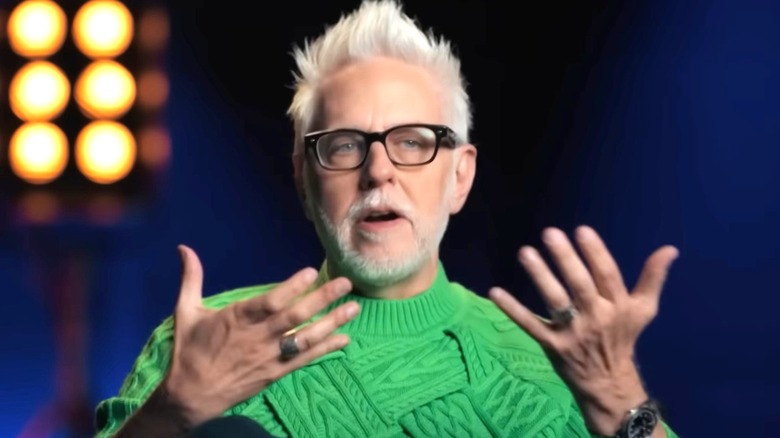
The primary friction point appears to be the prioritization of characters. While Gunn’s penchant for deep-cut, eccentric comic book lore made for critically interesting projects, it arguably neglected the "Heavy Hitters." In the eyes of Skydance’s new leadership, the lack of an active, primary-tier Batman or Wonder Woman in the current development cycle represented a massive missed opportunity. When a studio is carrying tens of billions of dollars in debt, the "risk-versus-reward" ratio of a film like Clayface—even if it is profitable on a smaller budget—does not compare to the potential of a tentpole release featuring iconic A-list intellectual property.
The failure of Supergirl proved particularly damaging. It highlighted a disconnect between the studio’s output and audience expectations. When an expensive, high-profile project fails to gain traction, the leadership responsible for greenlighting that slate faces immediate scrutiny.
The Executive Burnout: A Creative Perspective
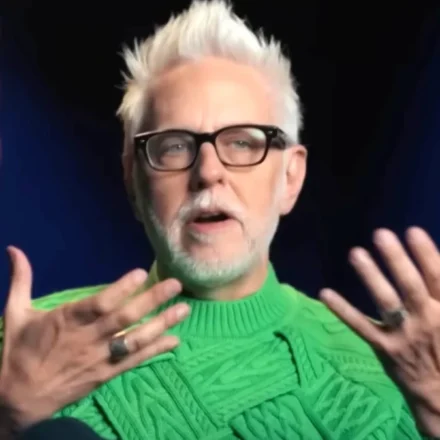
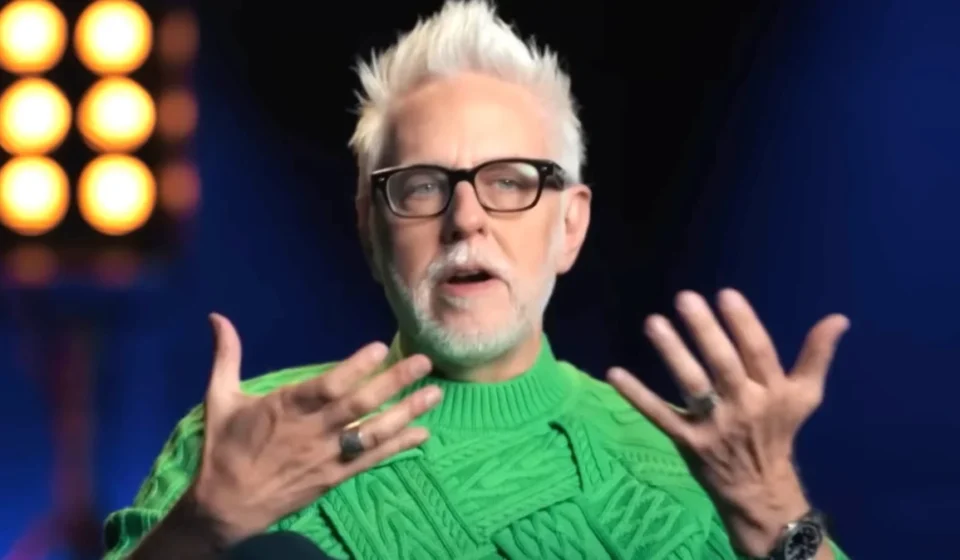
Beyond the financial spreadsheet lies the human element. James Gunn, a filmmaker who rose to prominence through the gritty, indie-horror and quirky sci-fi spaces, was arguably never a natural fit for the boardroom. In his own words, the transition to the role of a corporate executive was an exhaustive, taxing experience.
Gunn’s public statements following his departure were illuminating. He expressed a deep-seated dislike for the "corporate nature" of the role, noting the psychological and creative toll of managing a sprawling, multi-platform studio while simultaneously trying to direct his own features. The struggle to balance his role as an artist—invested in his own scripts and visions—with his role as a manager—responsible for the fiscal health and administrative oversight of dozens of other projects—eventually proved unsustainable. His exit suggests a desire to return to the singular focus of filmmaking, unburdened by the relentless demands of studio maintenance.
The Skydance Factor: A Clash of Philosophies
The arrival of Skydance, led by CEO David Ellison, effectively marked the end of the "Gunn-Safran" era. In the corporate world, new ownership rarely maintains the status quo. David Ellison, along with film chiefs Dana Goldberg and Josh Greenstein, arrived with their own blueprints for the future of the DC library.
It is highly probable that the strategic vision championed by Gunn and Safran became increasingly incompatible with the demands of the new ownership. Whether this manifested as a disagreement over budget allocation, casting, or the overarching tone of the DCU, the outcome was an irreconcilable difference in philosophy. The fact that the pair was initially announced as part of the new corporate structure only to depart weeks later points to a rapid breakdown in negotiations. It suggests that once the new leadership’s expectations were fully articulated, Gunn and Safran realized their creative autonomy would be severely restricted.
Implications for the Future of the DC Universe
What does this mean for the fans and the future of the DCU?
- A Pivot to "A-List" Priority: Under Jeremy Latcham, we can expect an aggressive shift toward the Justice League staples. The search for a new Batman and a new Wonder Woman will likely become the studio’s primary focus.
- Increased Corporate Oversight: The era of "creative freedom" that defined the initial DC Studios phase will likely be replaced by a more top-down, committee-driven approach to ensure brand consistency and financial security.
- Refining the Slate: Projects that do not have a clear path to massive profitability may be quietly shelved or repurposed. The "Gods and Monsters" plan may undergo a significant pruning as the studio looks to consolidate its resources.
- The "Batman" Problem: The coexistence of Robert Pattinson’s The Batman universe and a new, main-continuity DCU Batman is a complication that must be resolved. Expect the new leadership to seek a definitive, long-term solution to this fragmented brand identity.
In conclusion, the departure of James Gunn and Peter Safran serves as a stark reminder that in the high-stakes world of Hollywood, even the most celebrated auteurs are beholden to the interests of the corporation. As Skydance takes the helm, the DC Universe is preparing for yet another reinvention—one that promises to be more focused, more conventional, and perhaps, more commercially aggressive than the one that came before it. Whether this leads to the renaissance fans have been waiting for, or further dilution of the brand, remains the industry’s most significant question.