
By Editorial Staff | August 21, 2026
The American legal thriller has long served as a mirror for societal anxieties, reflecting our collective fears regarding bias, privilege, and the fallibility of the jury system. With the upcoming release of Wildcards, filmmaker Wes Miller attempts to push this genre into experimental territory. By utilizing a "real-time" narrative structure and a confrontational approach to the themes of racial and social inequality, Miller aims to force audiences to sit in the jury box themselves, questioning not just the evidence presented on screen, but their own implicit biases.
Main Facts: A High-Stakes Courtroom Drama
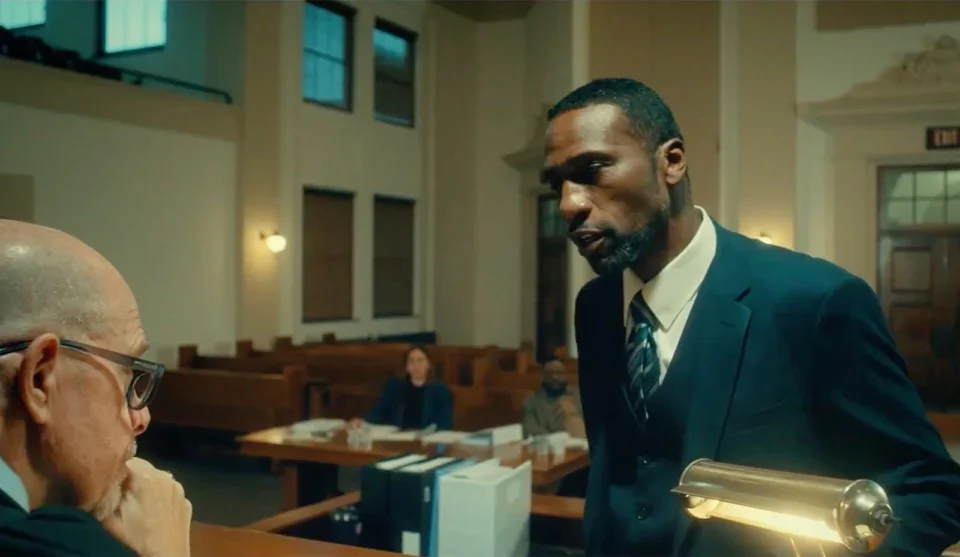
Wildcards, produced by Blacklight and directed by Wes Miller, is scheduled for a limited theatrical release in the United States on August 27, 2026. The film follows the high-profile sexual assault trial of Theodore Sterling (played by Crew Morrow), a young man from a background of significant privilege, accused of assaulting a young Black woman, portrayed by Stakiah Lynn Washington.
The narrative hook lies in the arrival of an enigmatic witness—the titular "Wildcard"—whose testimony threatens to dismantle the carefully constructed arguments of both the prosecution and the defense. The film features a robust ensemble cast, including Leon, Elise Neal, Aries Spears, Stakiah Lynn Washington, Crew Morrow, Samantha Walkes, Robert Catrini, and Courtney Grace.

The marketing campaign for Wildcards is as unconventional as its filming style. Rather than a traditional wide release, the film will embark on a nationwide tour featuring post-screening Q&A sessions designed to facilitate deep community discussions about the legal system, race, and the pursuit of justice.
Chronology: From Concept to the Big Screen
Wes Miller, a director known for his prolific output and genre-bending tendencies—with credits ranging from River Runs Red to the recent Black Heat—began conceptualizing Wildcards as a way to bridge the gap between cinema and live theater.
- Pre-Production: Development of the script focused heavily on the mechanics of jury deliberation, with Miller conducting research on how diverse groups of individuals process evidence through the lens of their own lived experiences.
- Production: The film was shot in a unique, "real-time" daily sequence. This logistical challenge was intended to maintain the pressure and escalating tensions of a trial, ensuring that the actors’ performances reflected the exhaustion and psychological toll of a long-running legal proceeding.
- Release Strategy: Blacklight opted to bypass the traditional film festival circuit, choosing instead to debut the film directly to the public through a decentralized, community-engaged theatrical tour. This decision signals a desire to treat the film less as a commercial commodity and more as a catalyst for public dialogue.
Supporting Data: The Anatomy of a Jury Thriller
The success of Wildcards will likely be measured against the modern canon of legal thrillers. The genre has seen a resurgence recently, with films like Clint Eastwood’s Juror #2 setting a high bar for what audiences expect from a procedural drama.
- The "Real-Time" Narrative: By shooting in real-time, Miller attempts to bypass the "spliced-together" version of justice often seen in Hollywood films. This structural choice aims to highlight the tedious, often repetitive nature of court proceedings, making the sudden shifts—such as the introduction of the witness—feel more jarring and consequential.
- The Cast Dynamics: The clash between Assistant State Attorney James Jones (Aries Spears) and defense attorney Greg Sims (Leon) serves as the film’s emotional anchor. Leon, playing a veteran defender with a perfect 25-year record, represents the "old guard" of legal combat, while the young and privileged defendant represents the societal shift in how we perceive accountability in the modern era.
- The "Wildcard" Element: The plot hinges on the character of the witness, whose ties to the accused serve as a narrative catalyst. This character device is designed to blur the line between truth and perception, forcing the jurors (and the audience) to confront the uncomfortable reality that a trial is rarely about "objective truth," but rather about which narrative is more persuasive to a jury of peers.
Official Responses and Industry Context
The trailer for Wildcards has already ignited conversation regarding the film’s provocative tagline: "We’re not held to the same standard as people who don’t look like us." This line, delivered within the context of the trailer, sets the tone for a film that refuses to shy away from the intersection of race and the law.

Wes Miller’s history as a filmmaker—having directed a wide range of projects from Hell on the Border to Call Her King—shows a director comfortable with high-octane drama. However, Wildcards appears to be a pivot toward a more intellectual, claustrophobic style of filmmaking.
"The film isn’t just a story about a crime," noted one production insider. "It’s a sociological experiment. By forcing the characters to clash over evidence, we are asking the audience to evaluate their own threshold for ‘reasonable doubt.’"
While the film has not been screened at major festivals like Cannes or Sundance, the decision to engage in a grassroots tour suggests that the filmmakers believe the film’s value is best realized in the presence of an active, debating audience. This reflects a growing trend in independent cinema: taking the film to the viewer, rather than waiting for the viewer to come to the film.
Implications: The Future of the Legal Thriller
The release of Wildcards raises critical questions about the role of media in shaping public perception of the justice system. In an era where "true crime" and courtroom dramas are more popular than ever, Wildcards arrives at a moment of profound skepticism toward institutional authority.

- The Audience as Jury: By the film’s conclusion, the viewer is left to decide not just the verdict of the fictional Theodore Sterling, but the validity of the process itself. If the system is inherently biased, does a "not guilty" verdict represent justice, or merely a successful manipulation of the law?
- The Ethics of Real-Time Storytelling: The "real-time" aspect of the production is a risky gambit. It demands high levels of commitment from the audience, who must invest in the slow-burn tension of the trial. If successful, it could redefine how filmmakers approach long-form procedural dramas.
- Community Engagement as Distribution: If the August 27th tour proves successful, it could serve as a new blueprint for independent filmmakers. By integrating Q&A sessions into the distribution strategy, Blacklight is essentially turning every screening into a town hall meeting. This model effectively bypasses the traditional "review-then-watch" cycle, prioritizing word-of-mouth and communal experience.
Conclusion: Is Wildcards Worth the Verdict?
As the release date approaches, prospective viewers are faced with a choice. For those seeking a taut, high-stakes thriller that mirrors the complexities of the modern American courtroom, Wildcards offers a compelling, if challenging, experience.
While comparisons to Clint Eastwood’s Juror #2 are inevitable given the shared genre, Wildcards seems to be reaching for something different—a raw, unvarnished look at the social fractures that define modern legal battles. Whether the film succeeds in its ambitious goal of sparking genuine discourse remains to be seen. However, one thing is certain: by refusing to offer easy answers or comfortable resolutions, Wes Miller has ensured that Wildcards will not be a film that is easily forgotten once the lights come up.
For those interested in participating in the conversation, the nationwide tour will commence on August 27th. Further information regarding screening locations, ticketing, and the accompanying educational materials can be found at the official Blacklight website. Whether you view it as a piece of experimental cinema or a scathing critique of the American legal system, Wildcards is poised to be one of the most talked-about, and debated, independent releases of 2026.