The Lost Frontier: Why Peter David’s "Star Trek" Novels Deserved the Small Screen Treatment

The 1990s represented a golden age for Star Trek. Following the unprecedented success of Star Trek: The Next Generation, the franchise expanded into a sprawling, interconnected universe. By 1994, Deep Space Nine was already established, and Star Trek: Voyager was looming on the horizon. It was a time when the "Trek" brand felt inexhaustible, with television episodes, feature films, and a thriving literary subculture all competing for the attention of an expanding fanbase.
Yet, buried within the deep lore of the 1990s publishing boom lies a "lost" series that many argue should have been the next great televised chapter: Star Trek: New Frontier. Spearheaded by legendary comic book scribe and novelist Peter David, the series offered a fresh, gritty, and character-driven approach to the franchise that mirrored the serialized complexity of modern television long before the industry fully embraced the format.
A Chronology of the "New Frontier" Era
To understand the impact of New Frontier, one must place it in its proper historical context. In 1997, the television landscape for Star Trek was dominated by the stationary politics of Deep Space Nine and the exploratory survivalism of Voyager.
The New Frontier series launched with the publication of the first four novels—House of Cards, Into the Void, The Two-Front War, and End Game—which functioned effectively as a high-stakes, feature-length pilot for a hypothetical television show. Unlike the episodic nature of the existing television series, Peter David’s books were designed with a serialized arc, following the USS Excalibur into the Thallonian Sector.
This region of space, left in a state of chaotic power vacuum following the collapse of the Thallonian Empire, provided the perfect backdrop for a series that balanced Federation diplomacy with the harsh realities of rebuilding failed states. Spanning from 1997 through 2015, David authored 23 novels in the series. While the franchise shifted toward the prequel era with Enterprise and later into the streaming era, New Frontier remained a cult favorite, often cited by fans as the missing link between the diplomacy of The Next Generation and the darker narrative textures of the modern era.
The USS Excalibur: A Ship Built for Storytelling
The central appeal of New Frontier lay in its cast—a brilliant, volatile mixture of established Star Trek alumni and entirely original, deeply flawed characters.
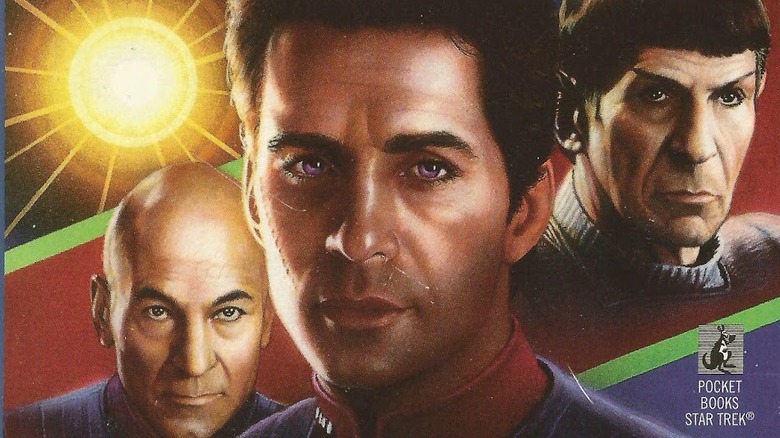
At the helm was Captain Mackenzie Calhoun, a Xenexian who defied the traditional, stoic archetype of a Starfleet officer. Having spent his youth as a freedom fighter against the brutal Danteri Empire, Calhoun was a man forged by violence. His appointment to the Excalibur was a calculated risk by Starfleet Command: they needed a man who understood the language of revolution and survival to stabilize a region bordering on total anarchy.
Supporting him was a roster that felt designed for the ensemble dynamics of television:
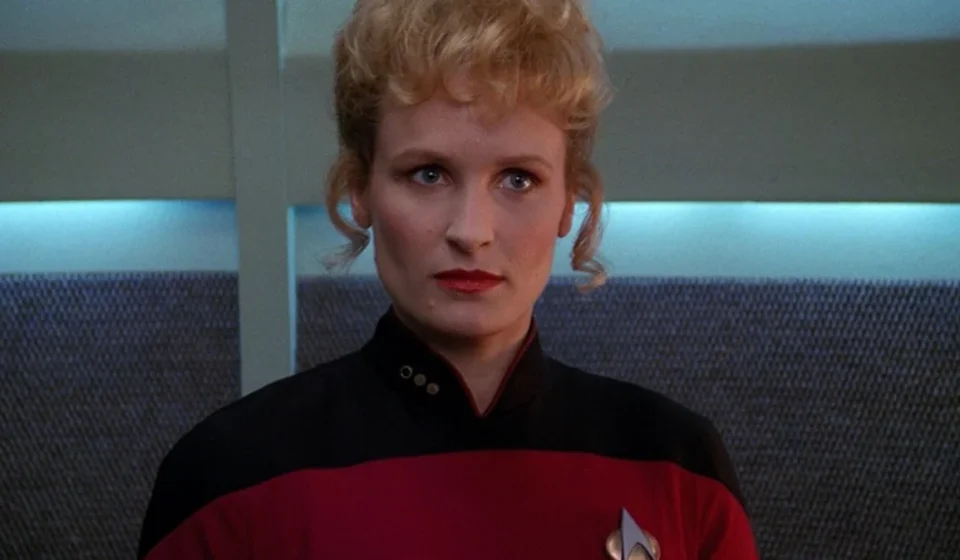
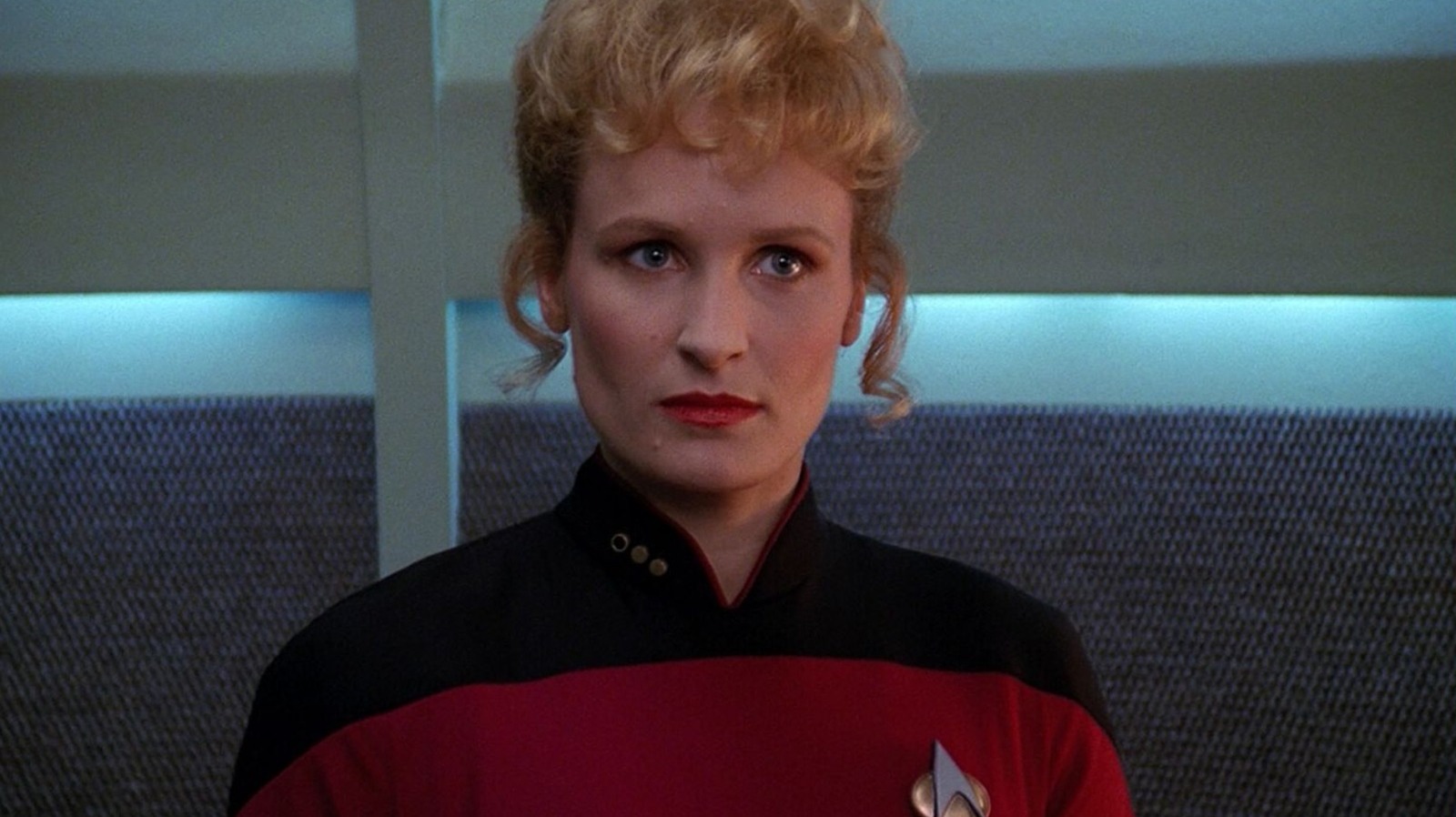
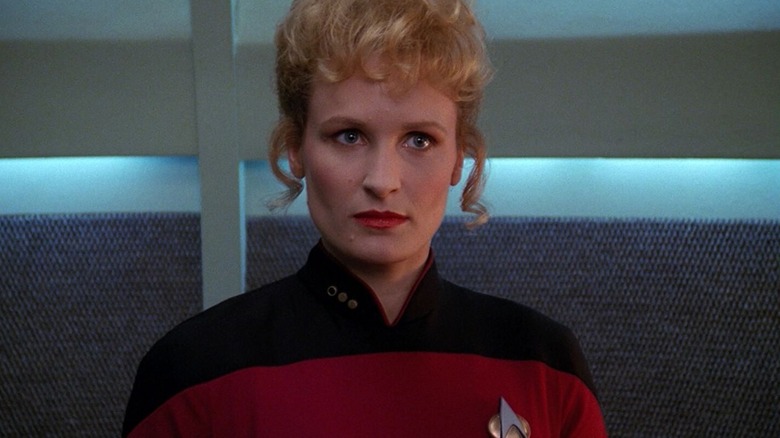
- Commander Shelby: The fan-favorite officer from the TNG classic "The Best of Both Worlds," Elizabeth Dennehy’s character was brought to life on the page with a complex, pre-existing romantic history with Calhoun, creating an immediate, palpable tension.
- Zak Kebron: A Brikar security officer whose heavy, rock-like physiology provided both tactical strength and a unique perspective on the fragility of his crewmates.
- Burgoyne 172: An engineer from the Hermat species, whose intersex physiology and unapologetic confidence challenged the heteronormative tropes of the 1990s.
- Soleta: A half-Vulcan, half-Romulan character who embodied the conflicting loyalties of two of the franchise’s most prominent species.
These characters were not merely window dressing; they represented a conscious effort to push the boundaries of what Star Trek archetypes could be.
The Convergence of Canon and Creativity
One of the most compelling arguments for why New Frontier should have been adapted into a television series is the way it anticipated future developments in the official Star Trek canon. Peter David was writing in a space that, at the time, was considered "supplemental" to the main franchise, yet his creations proved to have surprising longevity.
The inclusion of the Brikar species, for example, long remained an exclusive facet of the books until the arrival of the animated series Star Trek: Prodigy. The character of Rok-Tahk, a Brikar, brought a piece of David’s world into the official, televised canon, effectively validating the world-building done decades prior. Similarly, the appearance of the species in Star Trek: Starfleet Academy highlights how the creative DNA of New Frontier continues to influence the modern writers’ room.
Furthermore, the Excalibur itself was an Ambassador-class vessel—the same class as the USS Enterprise-C. For fans who grew up watching the haunting "Yesterday’s Enterprise" episode of TNG, the Excalibur offered a chance to see that iconic ship design in a sustained, active role, bridging the visual history of the franchise with new, high-stakes narratives.
Implications for Modern "Star Trek"
Why did New Frontier never make the jump to television? The answer likely lies in the constraints of 1990s production budgets and the sheer volume of Star Trek content already airing on network television. Paramount was already managing three concurrent shows; adding a fourth, focused on a "new frontier" rather than an established legacy ship, may have felt like an unnecessary risk to executives at the time.
However, looking back, the implications of not adapting the series are clear: we missed out on a show that could have bridged the gap between the optimism of the 90s and the complex, serialized storytelling of the 2020s.
If adapted today, New Frontier would feel right at home on a streaming platform like Paramount+. Its themes—the ethics of interventionism, the trauma of post-colonial reconstruction, and the challenge of managing a diverse, non-traditional crew—are the exact themes that define the modern "Prestige TV" era of Star Trek.
A Legacy Beyond the Printed Page
Despite the lack of a television adaptation, the legacy of New Frontier remains a cornerstone of the Star Trek literary community. Peter David’s ability to weave political thriller elements into the fabric of space exploration created a reading experience that felt remarkably like watching a season of television.
The series proved that Star Trek could thrive outside the shadow of the Enterprise and its captains. It proved that audiences were hungry for characters who were not just perfect Starfleet paragons, but individuals with scars, complex histories, and, occasionally, questionable judgment.
As the franchise continues to evolve, the lessons learned from the Excalibur and its crew remain relevant. The "New Frontier" was not just a place in the Thallonian Sector; it was a conceptual frontier for the franchise itself. While the books will always serve as the definitive record of Captain Calhoun’s mission, there remains a persistent, lingering question among the fandom: what if?
For now, the story of the Excalibur remains one of the most successful "what-ifs" in science fiction history—a series that, through its wit, its heart, and its willingness to break the mold, earned its place in the pantheon of Star Trek greatness, even if it never graced the small screen.