The Paradox of the Modern Mystery: Why ‘Diarra from Detroit’ Is the Refreshing Antidote We Needed

In the current television landscape, the "murder-mystery" has evolved from a distinct narrative framework into an all-encompassing, amorphous blob. It is the genre that refuses to die, mutating into an endless array of multi-hyphenated sub-genres designed to capture every possible demographic niche. From the high-concept existentialism of DTF St. Louis to the gritty, often tawdry "classic" crime procedurals like I Will Find You or His & Hers, the modern viewer is being force-fed a deluge of homicide-adjacent content.
Whether you are a devotee of these shows or a casual observer, the sense of "genre exhaustion" is palpable. Every new release arrives with a desperate need to distinguish itself—often by cramming yet another modifier into its pitch—while simultaneously attempting to blend seamlessly into the familiar, comforting tropes that define the most popular streaming hits. As the marketing for these shows hits a fever pitch, one can’t help but long for Hollywood to pivot toward the next great trend. Yet, occasionally, a series arrives that reminds us why we fell in love with the mystery genre in the first place.
The Evolution of the "Diarra from Detroit" Phenomenon
Diarra from Detroit is not technically a "new" show in the traditional sense, but its journey to the mainstream is a microcosm of the current upheaval in media distribution. Originally conceived as a BET+ series, the show became a casualty—and eventually a beneficiary—of the sweeping consolidation efforts by Paramount.
Created by the sharp-witted Diarra Kilpatrick, the series functions as a dark-comic murder-mystery noir. It first gained traction at the 2023 Tribeca Festival, earning critical praise for its tonal dexterity. However, the path to a wide audience was anything but linear. After its initial debut, the series languished in the transition between platforms, leading to a frustrating delay for fans eager for a follow-up. It took a full year for Paramount to officially greenlight a second season, and another year for that season to finally materialize on our screens.
For those who have been tracking the series, the wait has been a testament to the show’s enduring quality. Diarra from Detroit is an elaborate, adventurous, and—most importantly—genuinely funny piece of television. It captures the essence of a "hangout comedy" while maintaining the structural integrity of a high-stakes crime drama, making it the perfect summer viewing experience, even for the most jaded genre-cynic.

Season 2: A Deep Dive into the Narrative Arc
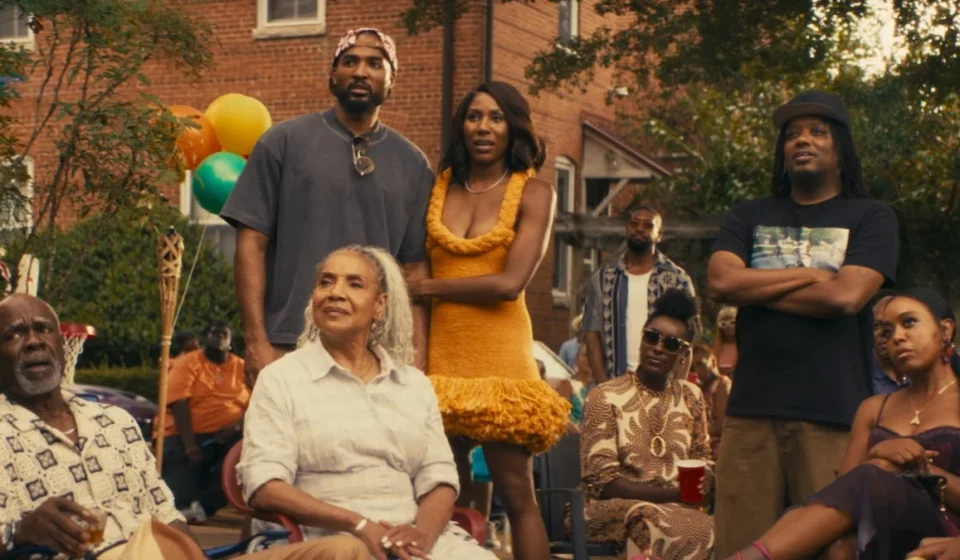
Season 2 picks up in the sweltering heat of a backyard barbecue, a setting that perfectly encapsulates the show’s unique blend of domestic intimacy and looming danger. Diarra (played by Kilpatrick) is navigating the awkward dynamics of introducing Chris (Shannon Wallace), formerly known as Deonte, to his extended biological family. The scene is populated by neighborhood characters and Diarra’s loyal, if chaotic, crew—Aja (DomiNque Perry) and Tea (Bryan Terrell Clark).
Beneath the surface of local singers and nostalgic reminiscing, however, the familiar tensions of the show remain. Diarra is still obsessed with tracking down "The Chief," the Detroit power-player responsible for the hit on her boyfriend. Her investigation leads her to suspect that Chris’s mother, Vonda (the legendary Phylicia Rashad), is hiding information. The ensuing tension—pitting a budding P.I. against a potential mother-in-law—serves as the catalyst for the season’s primary conflict.
The Domestic Complications
Beyond the mystery, the series excels in its exploration of the human element. Diarra’s relationship with Chris is under immense strain. After spending the entirety of Season 1 in a desperate search to find him, the reality of their union has proved far more complicated than the fantasy. Chris is suffering from the lingering trauma of his abduction, and his emotional unavailability is creating a rift that Diarra struggles to bridge.
The question at the heart of the season is not just "who done it," but rather, "who is this man?" Is Diarra clinging to a version of Chris that doesn’t exist, or is she using the mystery as a distraction to avoid confronting her own insecurities?
Supporting Data and Production Context
The production of Diarra from Detroit reflects a larger industry shift toward "content consolidation." By moving the show under the Paramount+ umbrella, the studio aimed to maximize the reach of its most acclaimed intellectual property.

- Cast: The series features a stellar ensemble, including Glynn Turman as Ron, the landlord, and Cliff "Method Man" Smith, who joins the cast to add another layer of romantic complexity to Diarra’s life.
- Release Schedule: The show debuts with two episodes on Wednesday, July 29, followed by a weekly release schedule that builds toward a season finale on September 9.
- Critical Reception: The series maintains a "B" grade average, praised by critics for its refusal to take its own darkness too seriously.
The inclusion of high-profile guest stars like Method Man and the return of veterans like Phylicia Rashad and Glynn Turman signals a significant investment from the studio, suggesting that Paramount views this as a cornerstone of its summer programming.
Official Perspectives: The "More is More" Philosophy
In recent industry interviews, executives have noted that the "murder-mystery" genre is currently the most profitable category for retention-based streaming. When a user finishes a series, they are statistically more likely to click on another mystery than any other genre.
"We aren’t just selling a crime show," one production lead noted regarding the trend. "We are selling a puzzle. The audience wants to feel smart, they want to feel a sense of camaraderie with the cast, and they want the stakes to feel personal."
However, Diarra from Detroit creator Diarra Kilpatrick offers a slightly different take. In her own discussions about the show’s development, she emphasized that the "murder" aspect is secondary to the "Detroit" aspect. The city is treated as a living, breathing character—a backdrop that informs every choice the protagonist makes. By focusing on the cultural specificity of the setting rather than just the mechanics of the crime, the show avoids the "tawdry" pitfalls that plague many of its competitors.
The Implications: Is the Trend Sustainable?
The success—or failure—of Diarra from Detroit will likely influence how streaming services approach mid-tier genre shows in the coming year. If a show that balances heavy drama with lighthearted social dynamics can continue to draw viewers, we may see a decline in the "dark and gritty" trend that has dominated the last decade.

The implications for the industry are clear:
- Genre Fatigue is Real: Audiences are increasingly vocal about the "stuffing" of genres. Shows that lean too hard into complex, multi-hyphenate marketing risk alienating viewers before the first episode even airs.
- The Rise of the "Hangout Noir": Diarra from Detroit proves that audiences crave connection. The scenes where the cast sits down for strong cocktails to discuss the case are often more compelling than the chase scenes themselves.
- The Value of Patience: By allowing the characters to breathe and the relationships to evolve over two seasons, the series has built a loyal, albeit smaller, fan base that is more valuable than the fleeting engagement of a "hit of the week" series.
Conclusion: A Refreshing Reprieve
Forcing fun on burdened people is usually a recipe for disaster in real life, but in the world of television, it is an art form. Diarra from Detroit takes characters who are dealing with trauma, crime, and systemic power structures and gives them the space to laugh, drink, and live.
While the show is undeniably part of a larger, potentially exhausting trend, it manages to transcend that status through its sheer personality. It is a summer noir that thrives in the light, a rare feat in an age of dim, desaturated cinematography. As the summer winds down and the mystery season reaches its peak, Diarra from Detroit stands out as the exact kind of reprieve we need. It is smart, it is messy, and it is entirely, wonderfully itself. Kick back, grab a drink, and enjoy the ride—the mystery is just the beginning.