The Dragon That Never Was: How ‘Reign of Fire’ Marketing Deceived a Generation of Moviegoers

In the annals of cinematic history, few films serve as a more poignant case study in the dangers of marketing misdirection than Rob Bowman’s 2002 sci-fi fantasy, Reign of Fire. On the surface, the film possessed all the hallmarks of a summer blockbuster: a high-concept premise featuring fire-breathing beasts, a star-studded cast including Christian Bale and Matthew McConaughey, and a massive production budget of $60 million. Yet, when the film arrived in theaters, it didn’t just fail to meet box office expectations—it left audiences confused, feeling that the product they paid for was a bait-and-switch.
The discrepancy between the high-octane marketing campaign and the atmospheric, character-driven reality of the film remains one of the most cited examples of "trailer deception" in the modern era.
The Core Premise: A Bold Vision of Post-Apocalyptic Desolation
To understand why the marketing felt so alien to the actual film, one must first look at the narrative DNA of Reign of Fire. The story is a fascinating piece of genre-blending: a young boy named Quinn discovers a slumbering, ancient dragon during a London Underground construction project. This event triggers the re-emergence of an apex predator that humanity had long forgotten.
The narrative leap of the film is significant. It bypasses the global panic and the initial fall of civilization, jumping straight to 2020. In this grim, ash-covered future, humanity has been driven to the brink of extinction. The dragons are not merely monsters; they are an ecological catastrophe. The film’s internal logic—developed with the kind of earnest commitment that makes Christian Bale’s performance so compelling—posits that dragons do not eat meat in the traditional sense. Instead, they ingest ash, using their internal napalm glands to "pre-digest" the world.
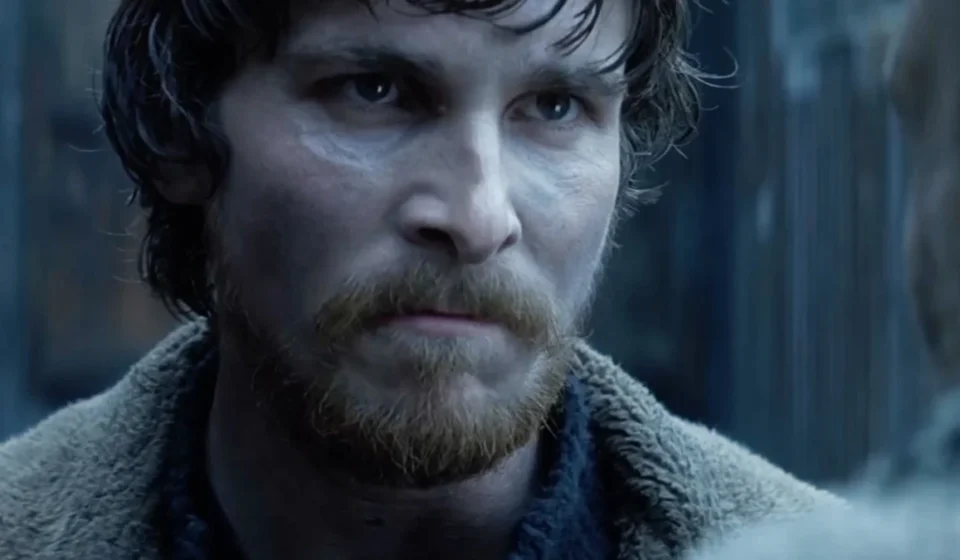
Bale’s portrayal of Quinn is that of a weary, reluctant leader, a man who has traded his humanity for survival. When he eventually crosses paths with Denton Van Zan, played by a manic, bug-eyed Matthew McConaughey, the film shifts from a survival drama to a clash of ideologies. It is a slow-burn meditation on extinction, far removed from the "summer popcorn flick" that the trailers promised.
Chronology of Deception: From Trailers to Theater Seats
The marketing campaign for Reign of Fire is often held up by film critics as a masterclass in how to alienate a core audience.
The Illusion of Action
The promotional material, specifically the theatrical trailer, presented a narrative that barely existed in the final cut. Audiences were treated to sequences of high-tech military mobilizations, rapid-fire editing of helicopters sweeping across skylines, and the promise of an epic, globe-spanning conflict. The trailer implied a mobilized human resistance engaging in coordinated, high-octane warfare against a dragon infestation.
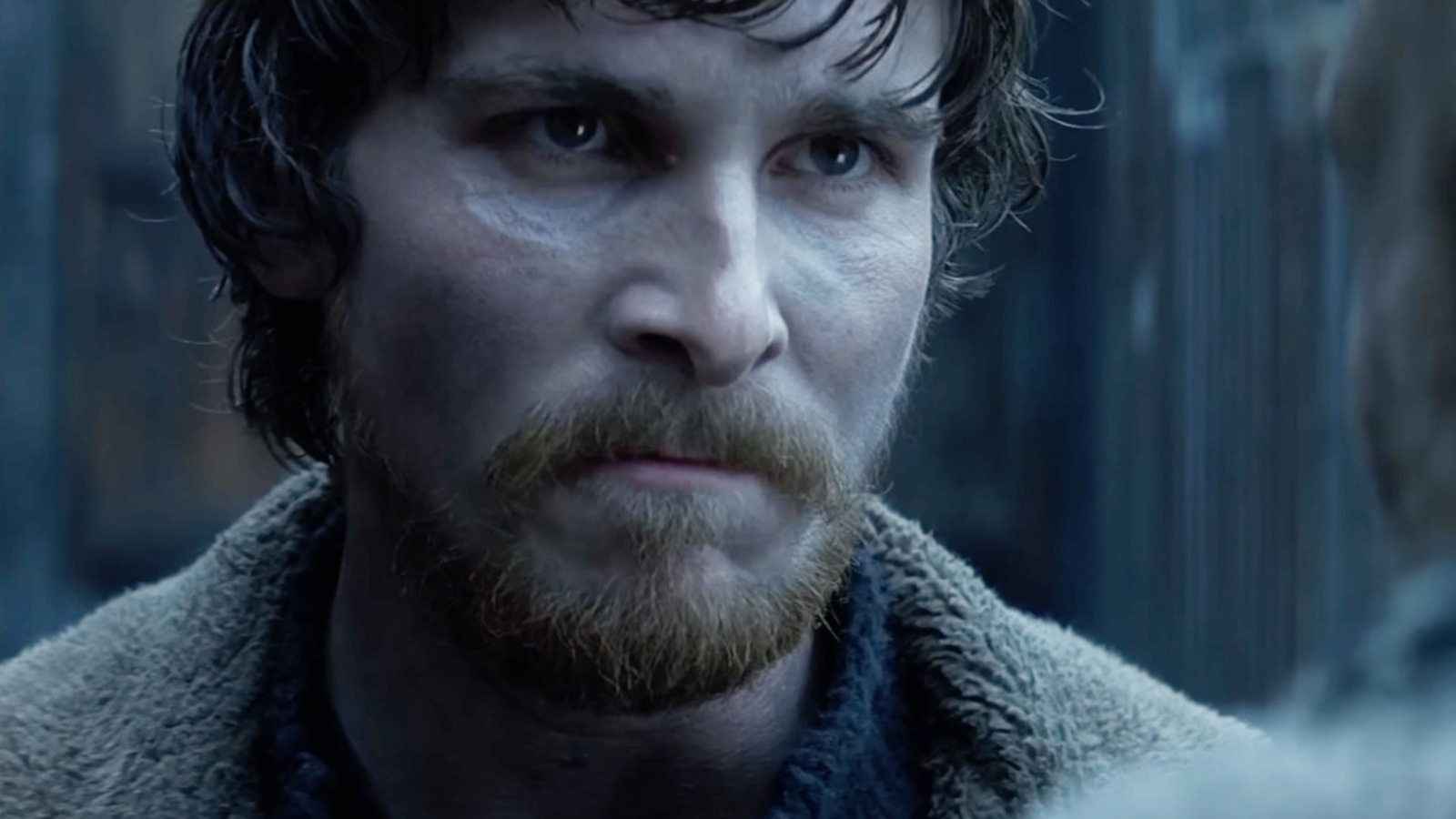
In reality, the film is intensely claustrophobic. The vast majority of the story takes place within a single, fortified compound. The grand military strikes hinted at in the marketing never manifest. The "London mission" that serves as the climax of the trailer’s tension is, in the film, a truncated sequence that quickly leads to a retreat, forcing the characters back into a defensive posture.
The Poster’s Broken Promise
The film’s theatrical poster was equally egregious. It featured an amber-hued, apocalyptic landscape of London in flames, with Westminster Palace and Big Ben crumbling under the weight of a massive aerial assault by a swarm of dragons. It featured helicopters approaching the scene, suggesting a grand, final battle.
For the average moviegoer in 2002, this imagery suggested a film in the vein of Independence Day or Godzilla. When they sat down in the theater, however, they were greeted with a somber, character-heavy drama about the scarcity of resources and the psychological toll of hopelessness. The actual destruction of London, which the poster heavily implied was the setting of the film, had occurred decades prior to the movie’s timeline.
Supporting Data: By the Numbers
The disconnect between expectation and reality had immediate financial implications. Produced on a budget of $60 million—a significant sum for the time—the film earned only $82.2 million at the global box office. By the standards of Hollywood accounting, which factors in marketing and distribution costs, the film was a significant financial failure.
The "Rotten Tomatoes" and audience scores from that era reveal a fascinating trend: while critics were mixed on the film’s pacing, audiences were noticeably vocal about feeling "hoodwinked." On various internet forums, including early Reddit threads, viewers expressed frustration that the film they were promised (a war movie) was not the film they received (a survivalist drama).
This marketing strategy—often referred to as "genre-baiting"—is intended to cast the widest possible net. However, in the case of Reign of Fire, it proved that when you sell a movie as an action spectacular, you cannot deliver an intimate drama without suffering a significant loss in word-of-mouth credibility.
Official Responses and Creative Intent
Though no major public retractions were made by the studio at the time, the creative team has spoken over the years about the challenges of balancing the film’s tone. Director Rob Bowman was tasked with navigating a script that was fundamentally more interested in the "how" of dragon biology and the "why" of human survival than the "how many" of dragon-slaying.
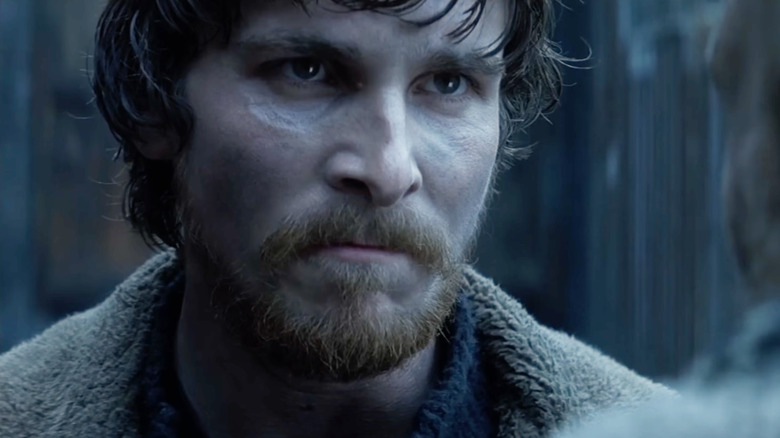
The cast, particularly Christian Bale and Matthew McConaughey, have often defended the film’s unique tone. Bale’s ability to sell the film’s internal logic—explaining the napalm-gland physiology of dragons with complete, straight-faced sincerity—is frequently highlighted by fans as the film’s saving grace. The supporting cast, which included future heavyweights like Gerard Butler and established talents like Alice Krige and Alexander Siddig, provided a level of gravitas that the marketing trailers simply failed to convey.
The Long-Term Implications: A Cult Classic Reborn
Despite its initial failure, Reign of Fire has undergone a significant critical reappraisal. In the decades since its release, the film has achieved "cult classic" status. This reversal of fortune is largely due to the audience’s ability to judge the film on its own merits, rather than on the broken promises of its marketing campaign.
Why It Works Today
Modern viewers are more forgiving of the film’s slower pace. We now view Reign of Fire as a distinct artifact of the early 2000s, a period when Hollywood was still experimenting with how to integrate CGI monsters into realistic, grit-heavy environments. It shares a specific DNA with other "scaly monster" films of the era like Dragonheart and Jurassic Park III, which prioritized creature design and atmosphere over relentless pacing.
A Lesson for Future Marketing
The legacy of Reign of Fire serves as a cautionary tale for modern film studios. In an age of social media, where audience sentiment is tracked in real-time, the "bait-and-switch" marketing tactic is riskier than ever. When a film’s marketing creates a dissonance with the final product, it doesn’t just hurt the box office; it creates a lasting, negative perception that can take decades to undo.
The film is, at its heart, a "hoot"—a fun, weird, and surprisingly earnest attempt to ground the high-fantasy concept of dragons in a bleak, post-industrial reality. It is a movie that deserves to be seen for what it is, not what the 2002 marketing department wanted it to be. For those who can look past the lack of a mid-air helicopter strike, Reign of Fire remains a unique, atmospheric, and highly watchable piece of genre fiction.
In the end, the most enduring "dragon" in the film isn’t the CGI beast that haunts the skies of post-apocalyptic London—it is the marketing campaign itself, which roared loudly, breathed fire, and ultimately left nothing but ash in its wake.