Sonic Landscapes of Disquiet: Raül Refree Unveils the Haunting Score for ‘Bad Beast’

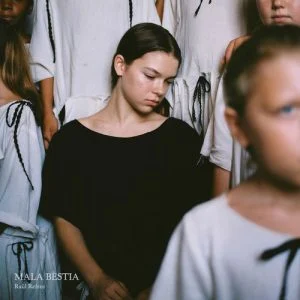
The landscape of contemporary Spanish cinema has long been a fertile ground for psychological exploration, blending the harsh realities of human nature with the ethereal touch of genre storytelling. With the release of Bad Beast (Mala bèstia), directed by the visionary Bàrbara Farré, audiences are introduced to a narrative that is as unsettling as it is profound. Accompanying this cinematic journey is an evocative, tension-filled score by the acclaimed Catalan composer and producer Raül Refree. As the film arrives in Spanish theaters this weekend, the release of its official soundtrack offers listeners a gateway into the complex, internal world of its protagonist.
The Intersection of Sound and Story: An Overview
Raül Refree, a luminary in the European experimental and soundtrack scene, has once again demonstrated his ability to articulate the unspoken. Known for his work on projects such as La Bola Negra, One Year, One Night, and the critically lauded Between Two Waters, Refree approaches Bad Beast not merely as a backdrop, but as a character in its own right.
Bad Beast centers on a teenage girl residing in a boarding school, paralyzed by the psychological resistance to the transition into adulthood. When a couple offers to bring her into their home, the situation—which ostensibly promises stability—instead triggers a primal, dormant instinct. Fearful of displacement and replaced affection, the protagonist finds herself descending into a spiral of transgressive behavior. The score mirrors this volatility, shifting from delicate, observational melodies to abrasive, discordant textures that mirror the girl’s psychological fracture.
The album is currently available across all major digital streaming platforms, including Amazon, where fans can explore the full tracklist and immerse themselves in the soundscape that defines this haunting drama.
A Chronological Journey: From Málaga to the Big Screen
The trajectory of Bad Beast reflects the methodical approach of modern independent cinema in Spain. The project, which garnered significant attention during its development phase, had its official world premiere at the prestigious Málaga Film Festival earlier this year.
At the festival, the film was noted for its uncompromising visual language and its taut, claustrophobic atmosphere. Critics highlighted the synergy between Farré’s direction—which utilizes the stark architecture of the boarding school and the domesticity of the new home as psychological cages—and Refree’s auditory design.
Following the festival run, the production team focused on a wide theatrical release. The decision to drop the digital soundtrack simultaneously with the film’s theatrical debut this weekend is a strategic move, allowing audiences to engage with the music as they experience the film, or to revisit the emotional beats of the narrative post-viewing.
The Creative Force: Bàrbara Farré and Raül Refree
The collaboration between Bàrbara Farré and Raül Refree is built upon a mutual understanding of "controlled tension." Farré, whose directorial voice is characterized by a deep empathy for characters on the margins of social norms, required a musical score that could inhabit the gray space between innocence and monstrosity.
The Protagonists
The film’s intensity is anchored by the performances of Iria del Río, Roger Casamajor, and Maria Schwinning. Their portrayal of the central family unit—a precarious triangle of desire, protection, and underlying menace—serves as the primary catalyst for the narrative’s "unthinkable" turns.
The Composer’s Philosophy
Refree has often spoken about his process as a subtractive one. Rather than layering the screen with melodic sentimentality, he seeks to strip the music back to its rawest elements. For Bad Beast, this meant utilizing acoustic instruments pushed to their breaking point. By utilizing string arrangements that vibrate with a sense of unease and percussive motifs that mimic the erratic heartbeat of a teenager caught in a web of her own anxieties, Refree successfully avoids the tropes of standard "thriller" music, opting instead for a visceral, sensory experience.
Supporting Data: Understanding the Soundtrack
The soundtrack album for Bad Beast is not merely a collection of cues; it is a curated experience of the film’s thematic evolution. The digital release includes tracks that range from the minimalist piano passages heard in the film’s early scenes to the dense, synth-heavy crescendos that dominate the climax.
- Release Date: July 2026
- Composer: Raül Refree
- Genre: Fantasy Drama / Psychological Thriller
- Platform Availability: Amazon, Spotify, Apple Music, and others.
Listeners are encouraged to pay particular attention to the track "I va trobar el caçador," which serves as a thematic anchor for the film. The composition utilizes a recurring motif that shifts in tempo and timbre, symbolizing the protagonist’s shift from the "hunted" to the "hunter."
Official Perspectives: Capturing the Unspoken
In recent press junkets, Bàrbara Farré described the film as a "fable for the modern age." She noted that the central conceit—the fear of being replaced—is a universal human condition, but one that is magnified during the turbulent teenage years.
"The music had to be the bridge between what the audience sees and what the character is suppressing," Farré stated. "Raül understood that we weren’t making a horror film in the traditional sense. We were making a film about the horror of growing up. His score doesn’t tell the audience how to feel; it tells them how the world feels to her."
Refree, for his part, has maintained a humble outlook on the project. "My work is successful if the viewer forgets the music is there," he remarked in a recent interview. "When the score becomes part of the texture of the scene—when the audience thinks a sound in the room is a string instrument, or a bird chirping is actually a synthesizer—that is when we have captured the psychological reality of the film."
Implications for Spanish Cinema
The release of Bad Beast and its accompanying soundtrack signifies a continued shift in Spanish cinema toward sophisticated, genre-bending narratives. By integrating high-level experimental music with a character-driven drama, the production highlights a growing trend of "arthouse-genre" films that challenge the traditional boundaries of the industry.
Furthermore, the prominence of composers like Raül Refree in the international market is indicative of the "Spanish Wave" in film music. With the global reach of digital streaming platforms, composers who were once confined to the local Spanish market are finding audiences in North America, Asia, and across Europe.
The Future of the Score
As the film expands its reach to international territories, the soundtrack will likely serve as a crucial marketing asset. Modern audiences are increasingly appreciative of the "listening experience" of cinema, often seeking out soundtracks on vinyl or high-fidelity streaming to relive the atmosphere of a film long after the credits roll. The Bad Beast soundtrack is positioned to be a cornerstone of this movement, offering a standalone listening experience that is as moody and evocative as the film it serves.
Conclusion: A Sonic Legacy
Bad Beast stands as a testament to the power of collaboration. In an era where cinema is often criticized for being overly reliant on CGI and spectacle, this film reminds us that the most terrifying and beautiful effects are those that happen within the human psyche.
Bàrbara Farré’s direction provides the visual frame, but Raül Refree’s music provides the heartbeat. As the film makes its way into theaters across Spain, it invites audiences to step into a world that is uncomfortable, mesmerizing, and deeply resonant. For those who choose to listen closely, the soundtrack is not just an accompaniment to the story—it is a map of a fractured soul, waiting to be understood.
Whether you are a fan of Refree’s previous experimental works or a newcomer to his sonic world, Bad Beast is a mandatory listen. The album is available now, and the film continues its theatrical run, inviting viewers to witness a story that, once heard and seen, is not easily forgotten.