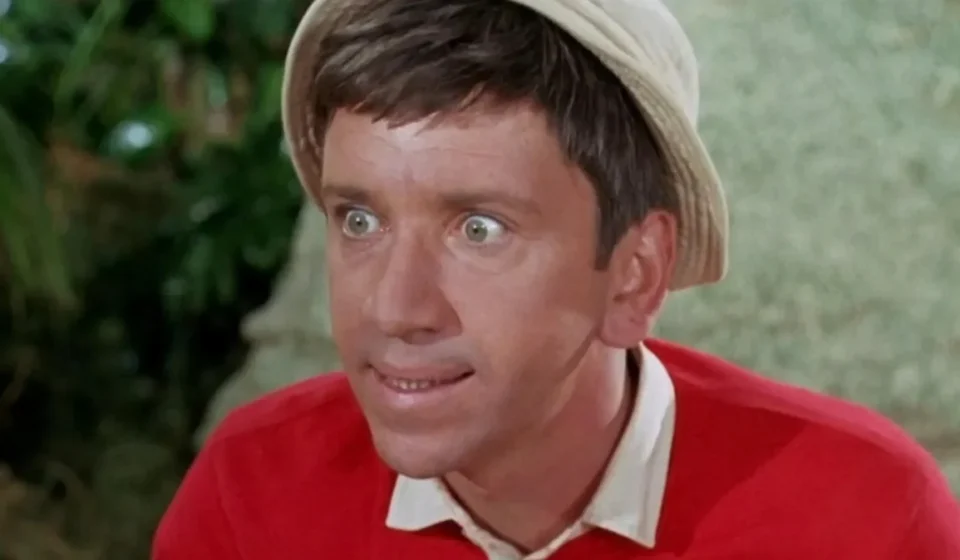

While the sun-drenched beaches of Gilligan’s Island are culturally synonymous with slapstick comedy and the quintessential 1960s sitcom aesthetic, the series’ creative backbone was forged by an unlikely source: a master of mid-century horror and science fiction. Jack Arnold, the visionary director behind genre-defining classics like Creature from the Black Lagoon and The Incredible Shrinking Man, holds the distinct, often overlooked title of being the most prolific director in the history of the CBS hit.
His journey from directing atomic-age monsters to helming the misadventures of the SS Minnow crew is not merely a trivia footnote; it is a masterclass in professional versatility and a testament to the "troubleshooter" culture of mid-century Hollywood television.
The Genesis of a Hollywood Career: From Documentaries to Deep Space
To understand how a man of Jack Arnold’s cinematic pedigree ended up on a television sitcom, one must first appreciate his stature in the film industry. Arnold’s career did not begin in the sterile environment of a TV soundstage, but in the gritty, creative trenches of post-World War II cinema.
After serving in the military, Arnold began his ascent with the 1950 documentary With These Hands. The film earned an Academy Award nomination, placing him on the radar of Universal Pictures. In 1953, the studio tapped him for his debut feature, the crime drama Girls in the Night. However, it was his immediate pivot to science fiction that would secure his place in the annals of film history.
His 1953 feature It Came from Outer Space—written in collaboration with legendary author Ray Bradbury—was a paradigm shift for the alien invasion genre. Unlike the xenophobic hysteria of contemporary films, Arnold’s aliens were nuanced, philosophical beings. This film also marked the first professional intersection between Arnold and the future Gilligan’s Island cast; specifically, it featured a young Russell Johnson, who would later become immortalized as the pragmatic Professor on the island.
A Trailblazer of the Atomic Age
Throughout the 1950s, Arnold was arguably the most significant director working in the science fiction medium. His filmography reads like a syllabus for the Golden Age of Sci-Fi.
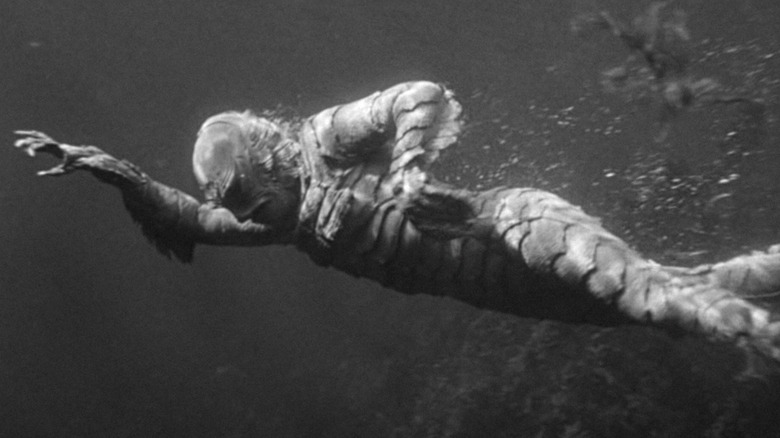
- 1954: Creature from the Black Lagoon – Arguably his magnum opus, the film introduced the Gill-man, a monster whose design remains one of the most recognizable icons in cinema. Arnold’s mastery of underwater cinematography broke new ground, turning the murky depths of the Amazon into a character of its own.
- 1954: Revenge of the Creature – This sequel is perhaps most famous for being the screen debut of a young, nervous Clint Eastwood. History notes that the future Western icon’s lack of experience reportedly caused Arnold a significant amount of stress on set, a humorous irony given their respective future successes.
- 1957: The Incredible Shrinking Man – Often cited as Arnold’s finest work, this film transitioned from mere creature-feature thrills into a profound, existential exploration of the human condition.
By the late 1950s, the cinematic landscape was shifting. As the studio system began to contract and the influence of television began to balloon, many prominent film directors were forced to pivot. Arnold was no exception, transitioning his skills to the small screen with projects like Science Fiction Theater, eventually leading him to the unexpected world of the castaways.
The "Troubleshooter": Rescuing the SS Minnow
The story of Jack Arnold’s tenure on Gilligan’s Island is one of professional survival. In a 1980 interview with KPFA, Arnold was candid about his motivations for joining the production. "At one point in my career, nothing was happening," Arnold admitted. "CBS offered me a great deal of money to become a troubleshooter."
In the television industry of the 1960s, a "troubleshooter" was a director with a proven track record who could be deployed to failing or disorganized sets to streamline production and stabilize the creative output. When CBS executives approached Arnold about Gilligan’s Island, the show was reportedly struggling to find its narrative footing.
Arnold’s approach was analytical and unsentimental. After reviewing the initial episodes, he reached a conclusion that would define the show’s legacy: the series was not high art, and it shouldn’t try to be. "I said, ‘You’re not making anything for the intelligentsia. You’re making entertainment for kids,’" Arnold recalled. By leaning into slapstick comedy, sight gags, and the inherent absurdity of the premise, Arnold transformed the show into a perennial television staple.
Chronology of an Island Tenure
Arnold’s impact on the series was substantial and sustained. His first directorial contribution arrived in Season 1, Episode 10, "Waiting for Watubi." Over the following years, he would helm a total of 26 episodes, surpassing all other directors involved in the project.
| Phase | Milestone |
|---|---|
| Arrival | Joined during Season 1; identified need for increased physical comedy. |
| Expansion | Promoted to executive producer by series creator Sherwood Schwartz. |
| Consolidation | Directed 26 episodes, including fan-favorite "The Little Dictator." |
| Legacy | Successfully standardized the tone, ensuring the show’s syndication viability. |
His relationship with creator Sherwood Schwartz became a cornerstone of the production. Schwartz, recognizing Arnold’s ability to "fix" the pacing and humor of the show, kept him on for subsequent projects, including the family classic The Brady Bunch. This professional partnership illustrates how the DNA of 1960s television was interconnected by a small circle of elite, adaptable directors.
Implications: Why a Sci-Fi Legend Mattered to a Sitcom
The implications of Arnold’s involvement are profound. Critics often wonder why Gilligan’s Island remained so culturally pervasive long after its cancellation in 1967. The answer lies in the technical precision Arnold brought to the set. Having directed complex creature features, Arnold understood the importance of visual storytelling, framing, and pacing—skills that were often lacking in the "talking head" style of early television comedies.
He understood that for the show to work, the "island" had to feel like a real place, even if it were a soundstage in Los Angeles. His background in special effects and atmosphere allowed him to create a sense of cohesion that kept audiences engaged, even when the plots became increasingly outlandish.
Furthermore, Arnold’s influence extended beyond the camera. As an executive producer, he helped craft the long-term strategy for the series. By prioritizing "good, clean entertainment," he ensured the show remained palatable for syndication across decades, cementing its status as one of the most-watched programs in the history of the medium.
Conclusion: A Legacy Beyond the Lagoon
Jack Arnold’s career serves as a bridge between two very different eras of entertainment. He was a man who moved from the dark, atmospheric suspense of the Black Lagoon to the light, comedic shores of a fictional Pacific island with equal aplomb.
While history books are quick to laud him for his contribution to the sci-fi canon, his work on Gilligan’s Island reveals a different kind of genius: the ability to diagnose a creative problem, implement a solution, and leave a lasting mark on pop culture. He didn’t just direct episodes of a sitcom; he directed the tone of a generation’s childhood.
Whether he was capturing the terror of a prehistoric beast or the comedic timing of a stranded radio operator, Jack Arnold was, above all, a master of his craft. He understood that whether the audience was looking for scares or laughs, the director’s role remained the same: to create a world where the viewer is more than happy to get lost for a while. As the most prolific hand behind the camera on Gilligan’s Island, Arnold ensured that even when the castaways couldn’t find their way home, the audience always knew exactly where to find them.