Busan International Film Festival Unveils High-Stakes Lineup: A New Era for Korean Cinema

The 31st Busan International Film Festival (BIFF) has officially pulled back the curtain on its highly anticipated Korean Cinema Today and On Screen selections. As the premier showcase for Asian cinema, BIFF continues to cement its reputation as a global launchpad for both established auteurs and daring newcomers. This year’s curation, characterized by a mix of international star power and grassroots storytelling, signals a robust resurgence for the Korean film industry on the world stage.
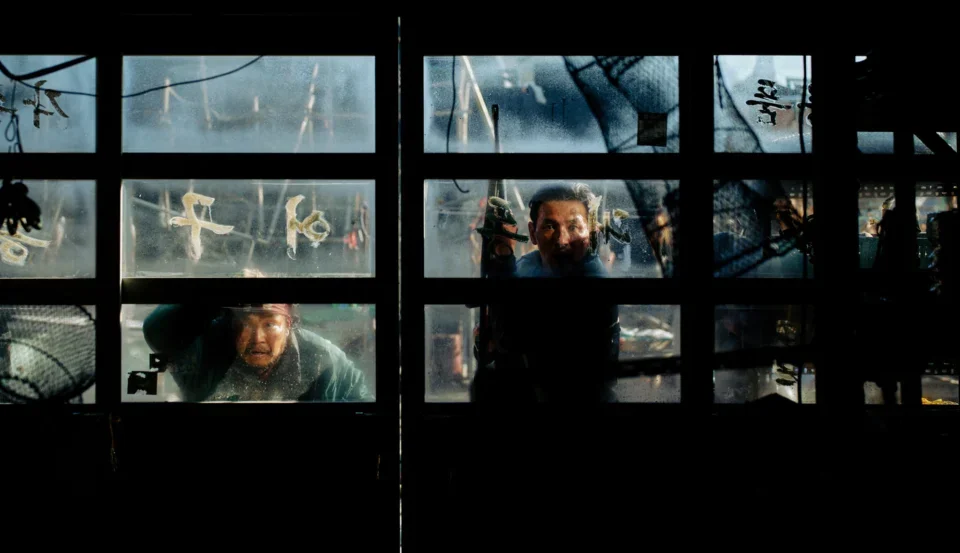
Among the standout titles announced is Hope, the latest feature from visionary director Na Hong-Jin. The film, which has already generated significant international buzz due to its ambitious scale and a powerhouse cast that includes Hwang Jung-min, Zo In-sung, Hoyeon, Taylor Russell, Cameron Britton, Alicia Vikander, and Michael Fassbender, serves as the centerpiece of this year’s excitement. Having already secured a competitive spot at the Cannes Film Festival, Hope arrives in Busan as the undisputed heavy hitter of the "Korean Cinema Today — Panorama" section.
A Chronology of Artistic Ambition: From Debutants to Icons
The selection process for this year’s festival reflects a strategic balance between honoring veteran legends and fostering a new generation of filmmakers who are pushing the boundaries of the medium.
The Panorama Slate: A Tapestry of Human Experience
The "Korean Cinema Today — Panorama" section is defined by a deep exploration of the human condition. Leading the pack is Yoon Dan-bi’s The World Before. Returning to Busan after her 2020 debut, Moving On, swept four BIFF prizes, Yoon’s sophomore feature promises an intimate look at a 17-year-old girl navigating the tumultuous waters of adolescence during an island summer. Following its world premiere at the Toronto International Film Festival, its Asian premiere in Busan is expected to be a major cultural event.
Simultaneously, the industry is buzzing about the return of veteran actress Kim Hye-ja. After a nine-year hiatus, she stars in Still Shining, directed by Song Il-gon. Known for his atmospheric work in Spider Forest and The Magicians, Song’s collaboration with a national treasure like Kim is a poignant highlight of the festival’s program.
The Panorama section also serves as a testing ground for directorial debuts. Hong Sung-min’s Sinner, starring Jung Sung-il and Park Ji-hyun, and Lee Yong-jae’s Ugly Duckling Ms. Maeng, featuring a compelling performance from You Chea-myung and Lee Sun-bin, represent the fresh perspectives currently defining the domestic landscape. Rounding out this category is Kim Joung-hoon’s ensemble mystery, Final Interview, which features a bright cast of rising stars including Cho Yi-hyun and Shin Seung-ho.
Special Premiere: The Commercial Powerhouses
While Panorama focuses on the auteur-driven narrative, the "Special Premiere" section highlights the commercial strength of Korean cinema. This year features three world premieres that blend genre-bending thrills with emotional stakes:
- Cattle Run: Directed by Kim Ji-hyun, this film pairs Ryu Seung-ryong and Park Hae-jun in a story about estranged brothers fighting to save a newborn calf—a narrative that promises both humor and heart.
- Sapiens: A gripping kidnapping drama directed by Lee Hu-bin, pitting a suspect against an attorney in a high-stakes battle of conflicting testimonies.
- The Sorry Generation: From director Kim Sung-yoon, this film promises a unique tonal blend, following a family clash caught between an exorcism and an ancestral spirit.
The On Screen Revolution: Streaming Meets the Big Screen
Since its inception in 2021, the "On Screen" section at BIFF has become a critical window into the evolution of episodic storytelling. As global streaming giants continue to pour capital into the Korean market, the line between "cinema" and "television" has become increasingly porous.
This year, the festival will screen significant portions of three highly anticipated series:
- Blue Road (Netflix): Directed by the acclaimed Han Jun-hee (D.P.), this cross-border murder mystery stars Son Suk-ku, Nagayama Eita, and Kim Shin-rok. By screening three of its eight episodes, BIFF provides an exclusive look at what is likely to be a major streaming hit.
- Dead-End Job (Netflix): Kim Da-min, fresh off her success with FAQ, returns with a mystery surrounding a suspicious part-time job. With stars like Lee Jae-wook and Ko Min-si, this title represents the youthful, high-concept energy of contemporary Korean dramas.
- The Remarried Empress (Disney+): Perhaps the most anticipated fantasy-romance of the year, this adaptation features a stellar ensemble cast including Shin Mina, Ju Jihoon, Lee Jongsuk, and Lee Seyoung. Directed by Cho Suwon, the show is a testament to the high production values currently being applied to streaming platforms.
Supporting Data and Industry Context
The 31st edition of the festival, scheduled for October 6–15, takes place against a backdrop of rapid industry transformation. Data from the Korean Film Council (KOFIC) suggests that while domestic box office numbers have fluctuated post-pandemic, the demand for high-quality, genre-diverse content has never been higher.
The inclusion of these specific titles is not merely an aesthetic choice; it is a strategic maneuver by BIFF to maintain its status as the primary bridge between the Korean industry and the global marketplace. The "Asian Contents & Film Market," held concurrently from October 10–13, will see a massive influx of international distributors, producers, and streaming executives looking to acquire the next Squid Game or Parasite.
Implications for the Future of Global Cinema
The selection of Hope for the Panorama section is particularly telling. By placing a film with such a heavy international cast alongside intimate local dramas, BIFF is signaling that the "Korean Wave" (Hallyu) is no longer just about exporting local stories; it is about Korea becoming a global hub for international production.
Industry analysts suggest that the emphasis on "world premieres" in this year’s program is a direct response to the competitiveness of the global festival circuit. By securing world premieres for titles like Cattle Run and Sapiens, BIFF ensures that the global conversation regarding Korean commercial cinema begins in Busan.
Furthermore, the "On Screen" section’s continued success suggests that traditional cinema festivals are no longer just for films. They are becoming centers for "prestige television." As series like Blue Road gain international exposure through the festival, the prestige associated with these projects increases, effectively boosting their subscription-driving potential for streaming platforms like Netflix and Disney+.
A Cultural Beacon in Busan
The festival will be centered around the iconic Busan Cinema Center, a venue that has become synonymous with the spirit of the event. Beyond the screenings, the festival provides a vital space for networking and cultural exchange. The 21st Asian Contents & Film Market will be the heartbeat of this commercial activity, where the artistic risks taken by directors like Yoon Dan-bi and Kim Ji-hyun are translated into tangible business deals.
As the 31st Busan International Film Festival approaches, the message is clear: Korean cinema is evolving. It is becoming more experimental in its storytelling, more ambitious in its international collaborations, and more sophisticated in its integration of streaming media. Whether through the quiet, personal trauma of a young girl on an island or the high-stakes mystery of a kidnapping case, the festival continues to prove that Korean creators are not just participating in the global conversation—they are leading it.
With an impressive slate of world premieres and a commitment to nurturing both the next generation of filmmakers and the established titans of the industry, the 31st BIFF is poised to be one of the most consequential chapters in the festival’s three-decade history. As the leaves begin to turn in Busan this October, the world’s eyes will once again be fixed on the Cinema Center, waiting to see which of these stories will define the next decade of film.