The Architect of Action: Walter Hill Reflects on the Legacy of ‘The Getaway’

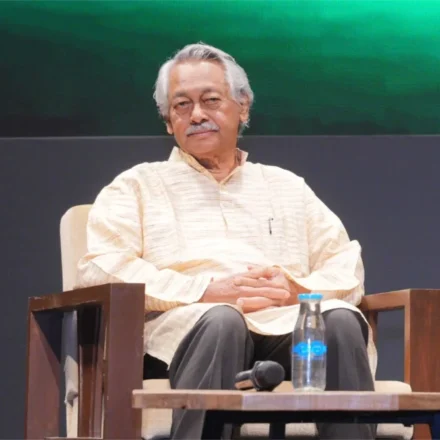
In the sprawling landscape of American cinema, few figures have cast as long or as lean a shadow as Walter Hill. Known for his muscular, rhythmic storytelling and an economy of language that redefined the medium, Hill’s career is a masterclass in the evolution of the action genre. On a recent Wednesday night, the Academy Museum of Motion Pictures hosted a special screening of the 1972 crime classic The Getaway—a film that served as the crucible for Hill’s transformation from an aspiring scribe to a legendary auteur.
Part of the Academy’s prestigious "Branch Selects" series, the screening offered a rare glimpse into the mechanics of 1970s Hollywood. Selected by the Writers Branch, the event featured a moderated conversation between Hill and Academy Governor Larry Karaszewski, who lauded the director not merely for his contributions to film, but for a singular, "literary advancement" that forever altered the architecture of the screenplay.
A Literary Revolution: The Art of the Page
To understand the impact of Walter Hill, one must look at the blueprint. During the panel, Karaszewski provided a striking visual aid, projecting pages from Robert Bolt’s screenplay for the sprawling epic Doctor Zhivago alongside a page from Hill’s own script for Hard Times. The contrast was jarring.
Bolt’s pages were "monoliths"—dense, unbroken blocks of text laden with intricate camera directions and descriptive prose that left little room for the imagination of the cinematographer or editor. In contrast, Hill’s pages were a study in minimalism. They were defined by short, punchy sentences, liberal use of white space, and a rhythmic, almost poetic structure.
"Walter Hill taught screenwriters that you can strip all that away," Karaszewski noted. "He turned the carriage return into an art form. He proved that you can direct on the page not by micromanaging the camera, but by articulating exactly what you see."

This "lean" style—a hallmark of Hill’s work in films like The Warriors, 48 Hrs., and Streets of Fire—was born from a desire for precision. For Hill, every line of dialogue or action must serve the forward momentum of the story. By removing the clutter, he allowed the reader to feel the kinetic energy of a scene before a single frame was shot. It was this radical shift toward the visual, rather than the literary, that cemented his reputation as one of the most influential writers of his generation.
Chronology of a Classic: From Thompson to the Screen
The story of The Getaway is a tapestry of shifting allegiances, ego, and the brutal politics of the New Hollywood era. When Hill was hired to adapt Jim Thompson’s nihilistic novel, he was a neophyte with only one screen credit—Hickey & Boggs—to his name.
The project was initially intended for Peter Bogdanovich, who was then riding the crest of a wave following the success of The Last Picture Show. However, the creative friction between the cerebral, artistic sensibilities of Bogdanovich and the star power of Steve McQueen proved insurmountable.
"I couldn’t imagine two more diverse sensibilities than Steve and Peter," Hill recalled. For a young writer caught in the middle, the pressure was immense. "I was nobody. I had one screen credit. And these were big players."
When Bogdanovich was ultimately let go, the reins were handed to Sam Peckinpah, a director whose penchant for violence and existential dread felt like a perfect, if volatile, match for the source material. However, the film faced an immediate identity crisis. McQueen, then the world’s biggest movie star, was determined to play a "sympathetic outlaw," a directive that fundamentally clashed with Thompson’s original, grit-soaked vision.

The Politics of Adaptation
Hill’s reflections during the event highlighted the often-overlooked reality of the screenwriter’s life: the "political currents" that dictate a film’s final shape.
"I think it’s much harder to adapt than it is to write an original," Hill explained. "With an original, it’s just you at your desk. When you’re adapting, you’re navigating the opinions of the producer, the studio, and the actor. There were all these political currents that one had to navigate."
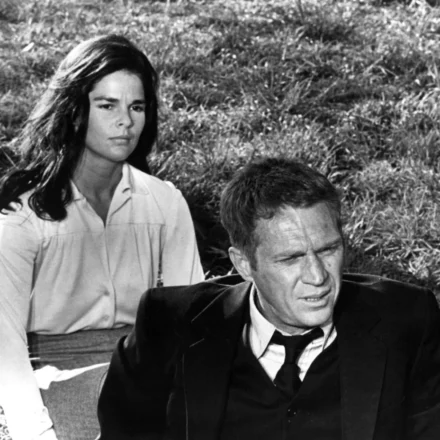
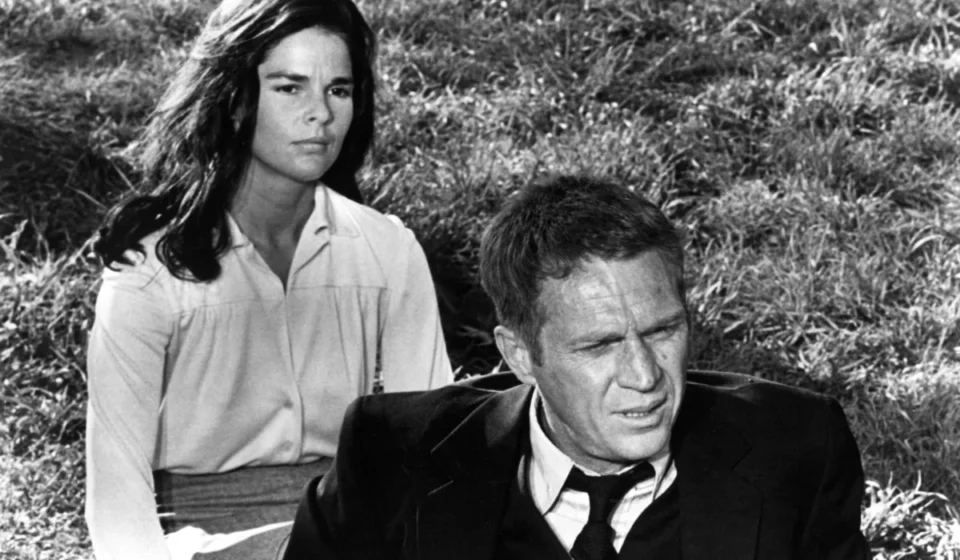
The most prominent of these currents involved the casting of Ali MacGraw, then the wife of Paramount head Robert Evans. The behind-the-scenes drama, including MacGraw leaving Evans for McQueen during the production, added a layer of complexity to the set that would have broken a lesser production.
Even with the change in directors, the conflict persisted. Hill and Peckinpah famously clashed over a climactic moment in the script where MacGraw’s character, Carol, contemplates killing her partner. Hill argued that the moment didn’t track with the softened, more romanticized arc they had built for the couple. Ultimately, Hill lost the argument—a common occurrence in the life of a screenwriter. Yet, in retrospect, he acknowledges the brilliance of Peckinpah’s execution, noting that the final product remains one of McQueen’s finest, most charismatic performances.
Implications: Building a Directorial Career
The success of The Getaway served as a dual catalyst. It was a commercial juggernaut, cementing McQueen’s status and providing the studio with a definitive crime hit. More importantly, it liberated Hill.

Having proven his worth in the trenches of studio politics, Hill transitioned into directing. His partnership with producer Larry Gordon at Columbia Pictures was pivotal. Gordon, a producer with a rare appreciation for the craft of writing, believed that hiring talented writers to direct was the only way to ensure quality. "He would give young writers a chance," Hill remembered. "He said, ‘Even if they’re no good as directors, at least we’ll get a good script.’"
This philosophy birthed Hard Times, and from there, the trajectory of American action cinema was forever changed. Hill’s career, spanning decades and iconic titles, is a testament to the idea that a strong script is the backbone of any great film.
A Legacy in Motion
Today, at over 80 years old, Walter Hill shows no signs of slowing down. While he continues to write and direct—as evidenced by his recent Western, Dead for a Dollar—he has also found a new medium to exercise his storytelling muscles: the graphic novel.
Having published several works in France, Hill views the graphic novel as a natural extension of his screenwriting philosophy. "You’ve got to keep your hand in somehow," he remarked with a characteristic dry wit.
The Academy Museum’s screening of The Getaway was more than a nostalgic trip down memory lane; it was an educational look at the craftsmanship that defined a golden age of cinema. It served as a reminder that behind every explosive action sequence and iconic cinematic moment lies a series of choices, debates, and a relentless commitment to the page.

As the industry faces new technological advancements and shifting distribution models, the lesson of Walter Hill remains as relevant as ever: the technology may change, but the art of the story—the pacing, the white space, and the economy of language—remains the true engine of the silver screen. For those seeking to understand the DNA of modern action, one need only look to the lean, precise, and uncompromising scripts of Walter Hill.