The Shallow Excavation: Why ‘Dig’ Fails to Strike Gold Despite Its All-Star Pedigree

In the modern landscape of streaming television, the ultimate luxury of creative power—the kind of clout earned through years of cultural dominance—is the ability to say "no." It is the privilege to reject the assembly-line mandates of the streaming era, to decline the pressure to churn out content year-round, and, most importantly, to avoid the temptation of chasing "four-quadrant" trends.
Amy Poehler and Mike Schur, the architects of the indelible Parks and Recreation, have earned that rarefied status. They have the pedigree and the industry capital to create anything they desire, in any format they choose. Yet, their latest venture for Peacock, Dig, suggests that even the most seasoned comedy titans are not immune to the gravitational pull of the "genre-mashup" trend. By attempting to blend mystery, drama, romance, and comedy into one amorphous narrative, Dig ultimately finds itself as a production that satisfies none of its constituent parts, leaving viewers with a hollow, unfunny, and curiously lightweight experience.
The Premise: An Archaeological Setup With No Foundation
The series, which premieres on Peacock on November 23 with a full 10-episode binge drop, centers on a group of archaeologists working at a dig site in Greece. The narrative follows Elise (Amy Poehler), a career-focused, cynical expert who has spent decades waiting for her moment in the sun. She toils under the shadow of Professor Neville Wycombe (Hugh Laurie), a mercurial academic who perpetually promises to retire, only to renege the moment his successor is prepared to take the reins.
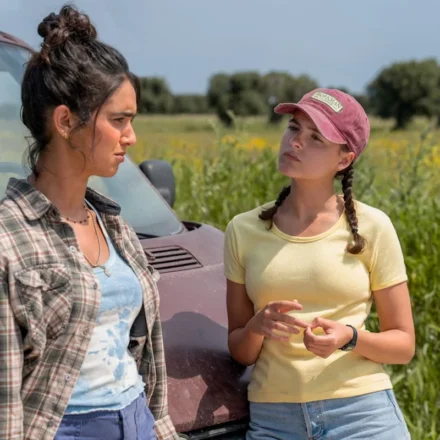
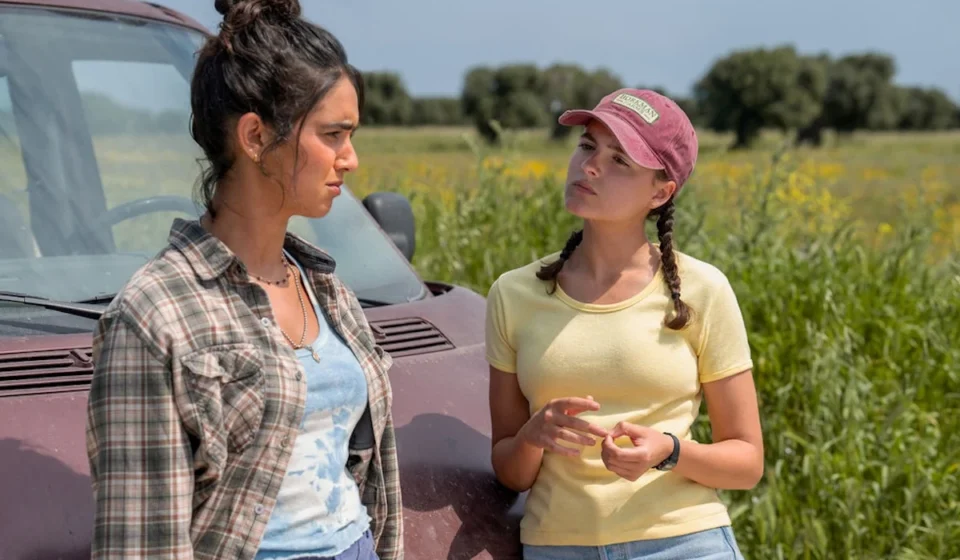
The arrival of Dylan (Geraldine Viswanathan), a former protégé who abandoned the dig site five years prior, serves as the catalyst for the season’s central arc. Dylan, a messy, aimless 29-year-old, arrives with no luggage and a vague sense of existential dread, colliding with the lives of the other women at the site. Among them is Clare (Antonia Thomas), an affluent and polished preservationist engaged to Dylan’s ex-boyfriend, Gary (Jon Pointing), and Patty Borkman (Fina Strazza), the youngest member of the group whose quirk-heavy personality provides the series with its only intermittent sparks of genuine charm.
The inciting incident involves the discovery of a rare artifact, which the women decide to hide from Neville. It is a decision framed as an act of rebellion against a mentor who takes credit for their labor, yet the conflict feels remarkably low-stakes. Because the show fails to establish a consistent tone for Neville—who oscillates wildly between villainous oppressor, eccentric goofball, and kindly mentor—the motivation for the women’s secrecy never lands with the intended emotional weight.

Chronology of a Creative Misstep
To understand why Dig feels like a missed opportunity, one must look at the structural execution of the episodes. Each installment, ranging from 32 to 35 minutes, is characterized by a "limping" pace. The narrative momentum is non-existent for the bulk of the runtime, relying entirely on minor, superficial cliffhangers in the final seconds of each episode.
This structure creates a dangerous cycle: the "up next" button becomes the only reason to continue watching, as the audience’s base curiosity briefly outweighs the desire to find something more substantial. The show, based on Kate Myers’ 2023 novel Excavations, appears to have had its original, sharper edges sanded down. What remains is a product that is "light" in every conceivable sense: the lighting is jarringly bright even in nighttime scenes, the jokes are faint, the mystery is transparent, and the drama feels perfunctory.
Supporting Data and Character Dynamics
The casting, spearheaded by industry veterans Allison Jones and Emily Buntyn, remains the show’s strongest asset. It is a testament to the performers that they manage to extract as much as they do from the thin material provided.
- Elise (Poehler): The decision to cast a comedic powerhouse like Poehler in such a glum, defensive role is an interesting theoretical experiment that fails in practice. While it offers a contrast to her iconic Leslie Knope, the lack of warmth or sharp wit leaves her character feeling static.
- Patty (Strazza): Fina Strazza is the show’s breakout. Her portrayal of a socially awkward, slightly eccentric intern who harbors delusions of demigod status provides a much-needed "weirdness" that the rest of the show lacks.
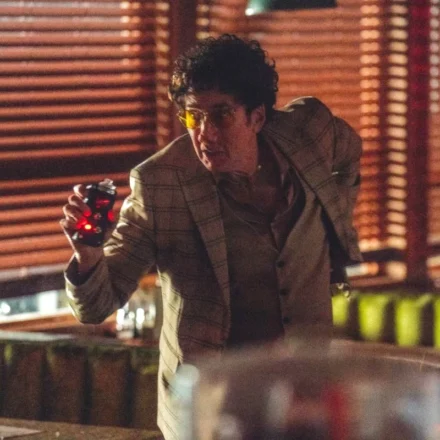
- The Ensemble: The love triangle between Dylan, Clare, and Gary is a narrative black hole; it fizzles out without ever generating the friction required for meaningful character development. Guest stars like Jason Mantzoukas and Max Greenfield, both comedic heavyweights, are wasted in roles that feel like artifacts of a previous, more robust draft of the script.
The "Four-Quadrant" Problem: A Systemic Critique
The failure of Dig highlights a broader malaise currently afflicting the streaming ecosystem. There is a pervasive, quiet pressure on showrunners to ensure their projects appeal to every possible subscriber—anyone with a credit card and a subscription to a service like Peacock. This "appease-all" strategy leads to the homogenization of creative voice.
By adding a dash of "mystery" to a "comedy," and layering in "romance" to satisfy a "drama" quota, the creative team has essentially diluted their original vision into a generic paste. It is a process that turns a potentially specific, voice-driven story into an "amorphous, half-hearted, and crushingly unfunny" entity. It is a tragedy of the streaming age: when creators try to appeal to everyone, they often end up appealing to no one.

Implications for the Future of Prestige TV
The arrival of Dig serves as a cautionary tale for the industry. Even with the backing of elite talent like Schur and Poehler, a project cannot survive on brand name alone. The audience today is sophisticated; they recognize when a premise is being stretched to fill a 10-episode quota.
The implication here is that the "prestige" model is showing signs of fatigue. If the goal is to create high-quality, memorable television, the industry must pivot away from the "everything-to-everyone" development style. As the season progresses, the lack of commitment to any single genre results in a show that slides off the viewer’s memory almost as quickly as it hits the screen.
Conclusion: A Need for Deeper Digging
Dig possesses all the requisite components for success: a talented cast, high-profile creators, and a solid source novel. However, the execution suggests a fundamental hesitation to lean into a specific identity.
The show is currently a collection of disparate parts that refuse to lock into a cohesive whole. Whether the issue lies in the writers’ room or the executive suite, the end result is a series that feels like a pale imitation of the sharp, character-driven work that put its leads on the map.
If the creative team behind Dig wishes to find a path toward a potential second season, they must stop playing it safe. They need to choose a lane, commit to a tone, and, quite literally, dig deeper. As it stands, the show is a surface-level excavation that fails to uncover the buried treasure it clearly believes it is hiding.

Grade: D+
Dig premieres Monday, November 23, on Peacock. All 10 episodes will be available for streaming at launch.