Orchestrating Chaos: How Netflix’s Man on Fire Redefines High-Stakes Visual Effects

In the landscape of modern streaming television, the bar for cinematic action is constantly shifting. Netflix’s Man on Fire stands as a testament to the seamless integration of high-octane physical stunts and complex, large-scale digital artistry. To pull back the curtain on the technical wizardry required to bring this series to life, we sat down with VFX Supervisor Kevin Lingenfelser on the latest episode of the fxpodcast.
Lingenfelser, who joined the production in May 2024, oversaw a visual effects pipeline that had to adapt to a shifting narrative structure. Originally conceived as an eight-episode arc spread across four distinct production blocks, the series was ultimately streamlined into seven episodes during post-production. According to Lingenfelser, this consolidation did nothing to diminish the ambition of the project; instead, it necessitated an even more precise execution of the show’s most demanding sequences, particularly those featured in the opening block, which were designed to immediately signal the series’ scale and narrative stakes.
The Architecture of Destruction: Crafting the Tower Collapse
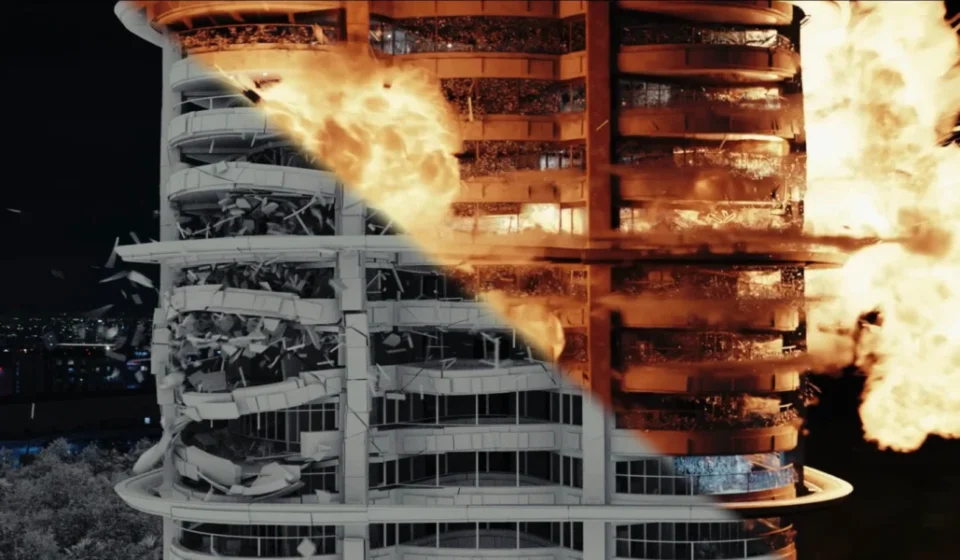
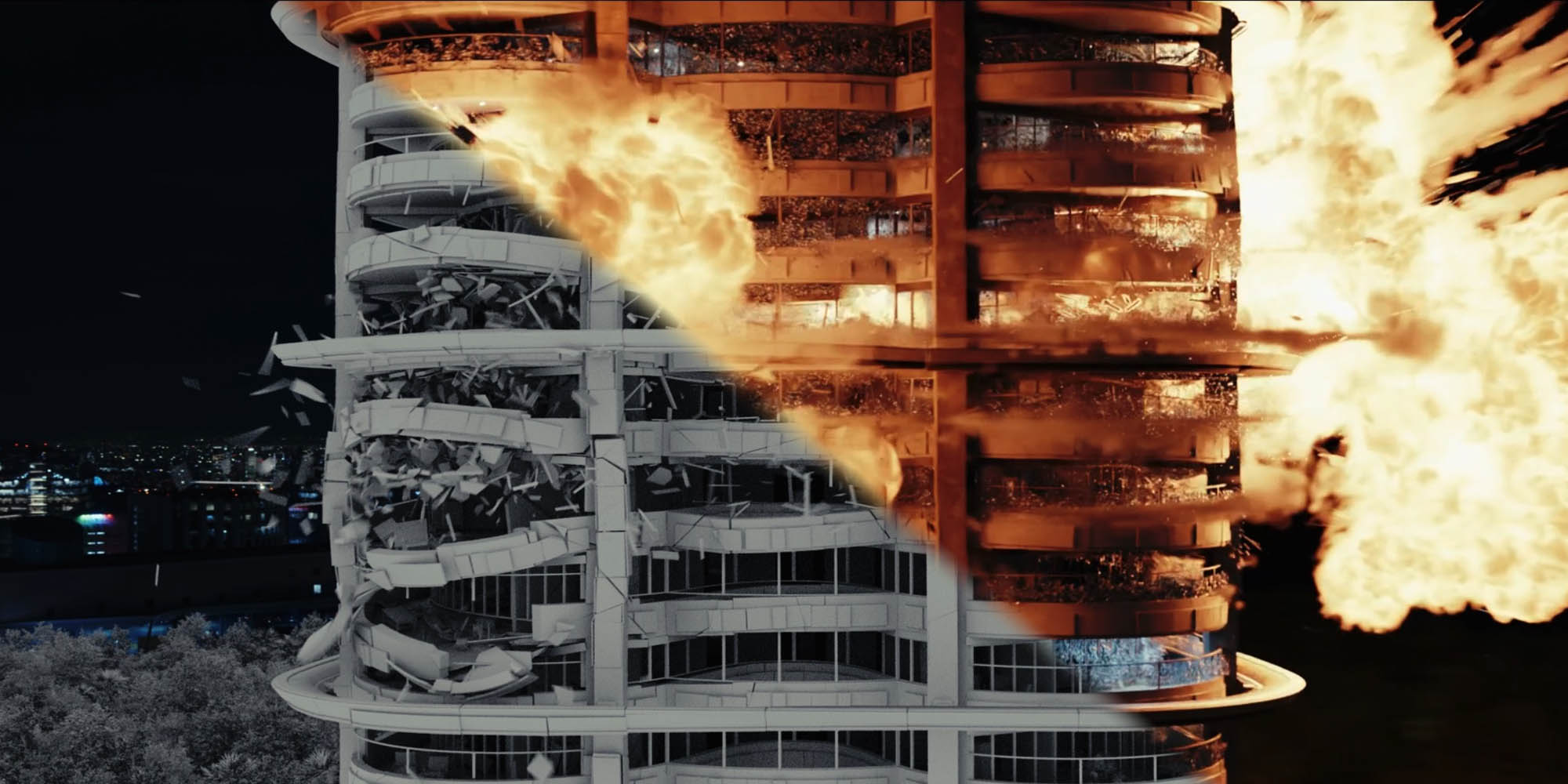
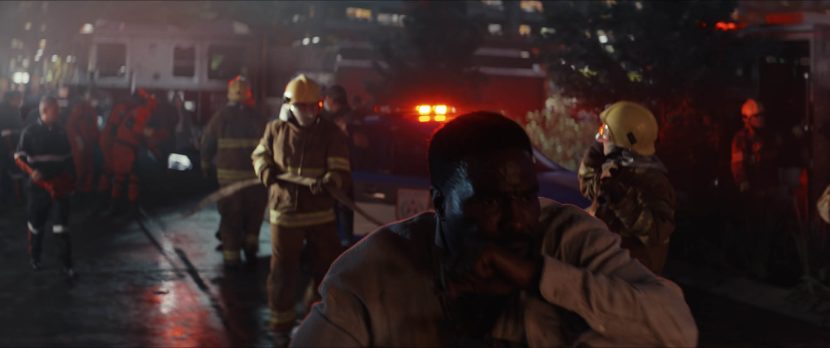
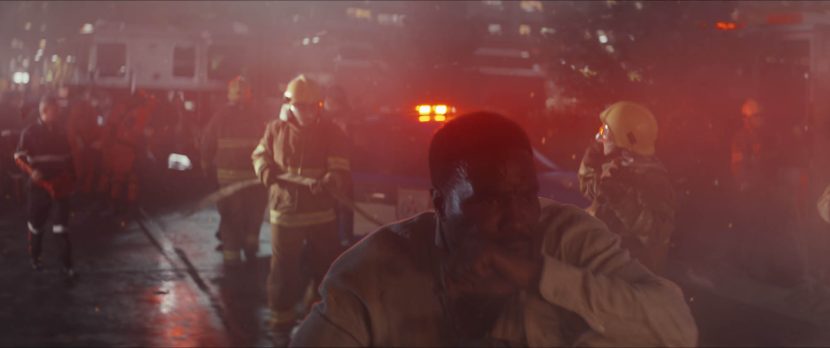
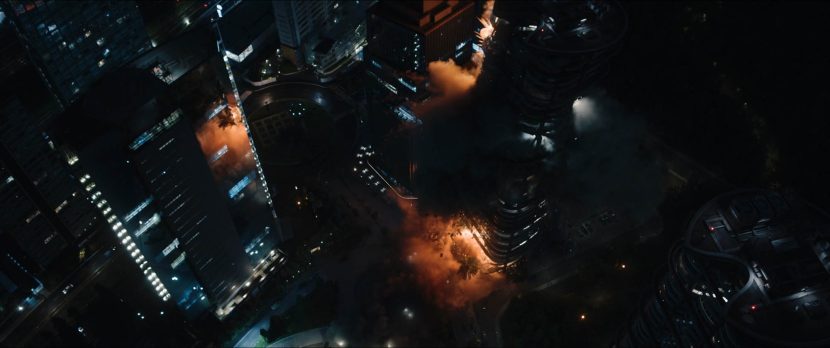
Perhaps the most visceral moment in the series’ debut is the catastrophic collapse of an apartment tower. While the story is firmly rooted in the bustling, dense urban environment of Rio de Janeiro, the production team faced the logistical reality of filming largely in Mexico. Transforming Mexico City into a believable Brazil required a mix of on-location ingenuity and heavy-duty digital world-building.
The Role of RISE in Digital Construction
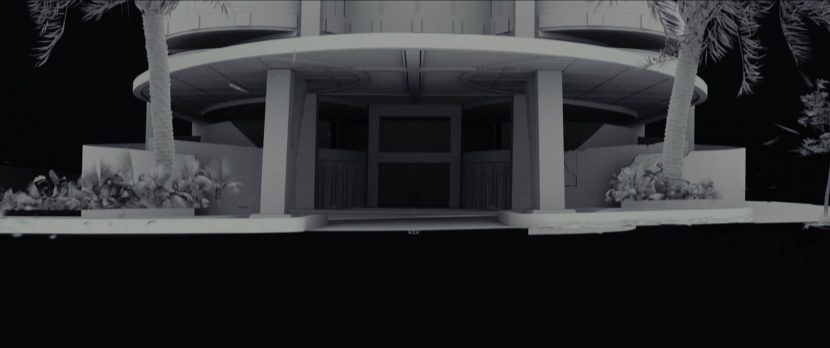
The visual effects studio RISE was tasked with creating a digital twin of a 40-storey condominium complex. The philosophy behind this sequence was grounded in realism; the team understood that for the destruction to carry emotional weight, the building had to be perceived as a static, immovable reality before it was brought down.

"The key was making the buildings completely believable before their destruction," Lingenfelser explains. "If the audience doesn’t buy the architecture, the collapse becomes just another CGI spectacle. We needed it to arrive as a genuine shock, a rupture in the reality of the show rather than a calculated VFX set-piece."
Balancing Simulation and Reality
To achieve the "messy, violent, and uncontrolled" aesthetic, RISE moved away from the tropes of clean, controlled demolitions often seen in big-budget cinema. The simulation work involved intricate layers of dust, pulverized concrete, and shifting rebar. This was complemented by on-set physical effects, including a "ratchet pull" for actor Billie Boullet (Poe), which provided the essential physical reaction to the ground shifting beneath her. By grounding the performance in physical tension, the subsequent digital debris was able to "sell" the danger more effectively.
The Learjet Sequence: Engineering a High-Altitude Thriller
Beyond the structural destruction, the production team tackled the logistical nightmare of a high-energy Learjet fight and emergency landing. This sequence serves as a masterclass in hybrid filmmaking, blending practical aeronautical hardware with digital extensions.
Practical Foundations for Digital Flight
The production opted for a multifaceted approach to the Learjet sequence. A real aircraft was rented and scanned at an airport facility to ensure absolute fidelity to the geometry of the jet. For the stunt work, a partial aircraft buck was constructed. This buck was designed to be towed, allowing the production to capture authentic movement and lighting as the stunt performer jumped from a Jeep onto the fuselage.
Interestingly, the interior of the jet buck was built 15 percent larger than the real-world dimensions of a Learjet. This decision, while seemingly minor, was crucial for the choreography of the fight scenes, allowing the camera to maneuver in tight quarters without sacrificing the claustrophobic tension of an in-flight brawl.
The Final Touch: Digital Augmentation
RISE’s role in this sequence was exhaustive. Beyond the digital creation of the door and staircase, the team had to simulate the engine explosion and the resulting smoke trail, which needed to persist throughout the sequence to maintain visual continuity. For the final road-landing sequence, the team utilized a wooden buck on location. This served as a practical lighting reference for the crew, ensuring that when the final, bullet-riddled digital Learjet was composited into the scene, the lighting matches were mathematically accurate to the environment.
Invisible VFX: The Art of Environment Transformation
While the high-stakes action sequences grab headlines, Lingenfelser is quick to point out the importance of "invisible" effects. The process of converting Mexico into Brazil involved more than just location scouting; it required a massive, coordinated effort to alter the visual language of the background.
"We were constantly managing continuity," Lingenfelser notes. "Signage had to be changed from Spanish to Portuguese in post-production, and we had to ensure that the urban density of Mexico City felt distinct enough to represent Rio."
This level of detail—subtle, pervasive, and essential—is what allows the audience to suspend their disbelief. By combining environmental transformation with physical stunt work and large-scale simulations, Man on Fire creates a cohesive world where the action feels grounded in a tangible reality.
Implications for Future Television Production
The success of Man on Fire highlights a shift in the television industry: the narrowing gap between the production values of episodic content and feature-length cinema. The reliance on early-block VFX to establish the series’ "identity" is a strategy that has gained traction, but the execution here is notably disciplined.
A New Standard for Hybrid Action
The use of physical placeholders (the wooden buck for the jet, the ratchet pulls for actors) serves as a reminder that the best VFX are those that provide a digital artist with a real-world anchor. By refusing to rely solely on "fix it in post" solutions, the production ensured that the actors were interacting with genuine physics, leading to performances that feel weightier and more desperate.
Challenges in Post-Production
The transition from eight episodes to seven represents a significant challenge in narrative pacing and technical continuity. Lingenfelser’s involvement from May 2024 through the final delivery suggests that the VFX team was embedded deep within the creative process, allowing them to adjust simulations and composites as the narrative evolved. This level of collaboration is increasingly necessary in an industry where schedules are volatile and scope creep is a constant threat.
Conclusion: The Persistence of Spectacle
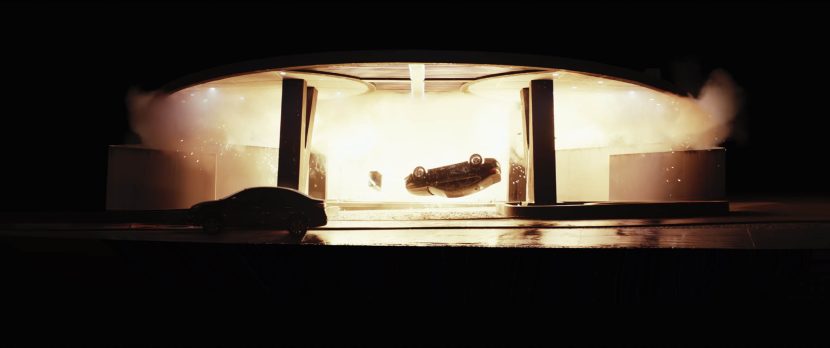
Kevin Lingenfelser’s work on Man on Fire is defined by a commitment to consequence. Whether it is the debris raining down from a fallen tower or the bullet-ridden fuselage of a landing jet, every effect is designed to advance the story rather than simply fill the screen.
As the series continues to reach audiences, it will likely be cited as a case study in how to marry practical, high-stakes stunt work with the limitless potential of digital simulation. For the VFX industry, Man on Fire proves that when you build a foundation of reality, the audience is far more willing to believe in the spectacular. The show does not just announce its scale; it justifies it through a rigorous, detail-oriented approach that keeps the action feeling fast, dangerous, and, most importantly, human.