
Introduction: A Hidden Chapter of The Great War
For over a century, the history of the First World War has been dominated by imagery of open-field artillery barrages, cavalry charges, and the grim, muddy reality of life in the trenches. Yet, beneath the feet of millions of soldiers, a different kind of war was being waged—a subterranean conflict fought by coal miners and excavation experts in the suffocating darkness of deep-earth tunnels.
Directed by J.P. Watts, the long-gestating historical drama The War Below finally makes its stateside debut via Well Go USA on November 10, 2026. Initially premiering in 2021, the film serves as a poignant reminder of the civilian laborers, known as the "Clay Kickers," whose clandestine efforts were instrumental in breaking the deadlock of the Battle of Messines. As the film prepares for its VOD release, it invites modern audiences to look beneath the surface of history to find the unlikely heroes who literally undermined the enemy lines.
The Historical Context: The Clay Kickers and the Battle of Messines
To understand the gravity of The War Below, one must understand the tactical desperation of the British High Command in 1917. Following the catastrophic losses at the Somme, the Allied forces were seeking a decisive breakthrough to dismantle the German defensive fortifications.
The "Clay Kickers" were not soldiers in the traditional sense. They were civilian miners recruited for their specialized knowledge of geology and excavation. Their technique—"clay kicking"—involved using a specialized spade to slice through dense soil with minimal noise, a necessity when operating mere feet from enemy listening posts.
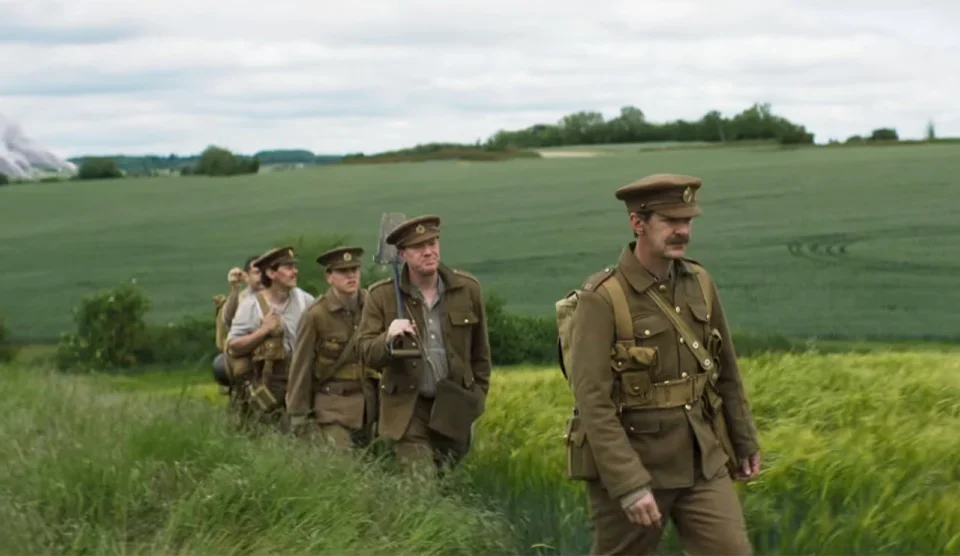
The film dramatizes the real-life mining operations that preceded the Battle of Messines in June 1917. During this operation, British tunnelers detonated 19 deep-mine charges beneath the German lines. The resulting explosion was so immense that it was reportedly heard as far away as London and Dublin, forever changing the landscape of the Western Front. The War Below focuses on the human element of this mission: the pressure, the claustrophobia, and the bureaucratic friction between civilian experts and career military officers.
Chronology of Production: From Concept to VOD
The journey of The War Below from script to screen has been as arduous as the tunneling it depicts.

- 2018–2019: Filmmaker J.P. Watts, an industry veteran known for his work in Visual Effects, begins conceptualizing a feature film that honors the unsung miners of WWI.
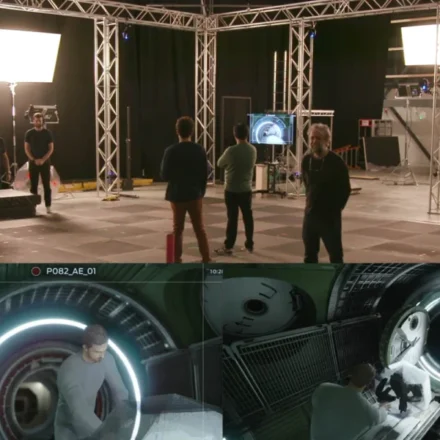
- 2020: Production commences, with Watts taking a hands-on approach by managing the VFX himself to ensure the period-accurate, claustrophobic atmosphere of the tunnels remains authentic.
- 2021: The film premieres internationally, garnering praise for its grounded, grit-heavy portrayal of warfare, though it faces distribution hurdles that delay its North American rollout.
- 2026: Following a five-year hiatus, Well Go USA acquires the North American distribution rights, scheduling an official VOD release for November 10, 2026, finally bringing the story to a wider audience.
The decision to delay the release for several years is not uncommon in the independent film circuit, particularly for historical dramas that lack the massive marketing budgets of contemporary blockbusters. However, the 2026 release date positions the film during the prime autumn season, a period historically favored for prestige dramas and award-season contenders.
Supporting Data: The Reality Behind the Fiction
The historical veracity of The War Below is rooted in the actual archives of the Royal Engineers’ Tunnelling Companies.
The Geology of War
The film emphasizes the technical challenges faced by the miners. In the Ypres Salient, the soil was notoriously difficult to navigate. If the miners struck water or shifting sand, their tunnels would collapse, burying them alive. Historical accounts indicate that these men worked in total darkness, relying on rudimentary ventilation systems and the constant fear of German counter-mining.
The Scale of the Mines
The mines mentioned in the film were not small-scale sabotage efforts. The largest of the Messines mines contained nearly 30,000 kilograms of explosives. The logistical feat of hauling this much material through narrow, hand-dug tunnels under constant artillery fire is often cited by military historians as one of the most underrated logistical achievements of the 20th century.
Performance and Cast
The film features a robust ensemble cast led by Sam Hazeldine and Tom Goodman-Hill. Their performances are designed to emphasize the class divide between the working-class miners and the aristocratic military leadership, a central theme in British WWI literature and film. By casting actors capable of conveying the exhaustion and trauma of the trenches, Watts avoids the "heroic glory" trope often found in war films, favoring a more melancholic, gritty realism.
Official Responses and Creative Vision
In recent interviews, director J.P. Watts has been vocal about his desire to treat the VFX not as a spectacle, but as a storytelling tool.

"The tunnels are a character in themselves," Watts remarked during early press rounds. "We didn’t want to use CGI to make things look big and epic. We used it to make the environment feel small, heavy, and suffocating."
The production team collaborated closely with historians to ensure that the "clay kicking" process—a specific, rhythmic form of digging—was replicated accurately on screen. This commitment to detail has been lauded by organizations dedicated to WWI preservation, who often criticize Hollywood for simplifying the complexities of trench warfare.
Well Go USA’s acquisition of the film signifies a growing market interest in "forgotten" history. As the studio noted in their press release, the film is a "visceral experience" that highlights the intersection of engineering and survival.
The Implications: Why ‘The War Below’ Matters Now
The release of The War Below in late 2026 comes at a time when the public’s interest in the First World War is being revitalized by digital archives and modern archaeological projects.
The "Forgotten" Front
For decades, the civilian contribution to the war effort was sidelined in favor of narratives focusing on the infantry. The War Below challenges this hierarchy by positing that the war was won not just on the battlefield, but in the earth beneath it. This shift in perspective is crucial for a modern audience, encouraging viewers to look for the "invisible" labor that sustains any large-scale effort.
Lessons in Leadership and Bureaucracy
The film’s focus on the tension between the "Clay Kickers" and the army generals provides a timeless commentary on the friction between those who plan wars and those who must fight them. The "four-week deadline" mentioned in the film serves as a ticking clock that highlights the callousness of command—where thousands of lives are weighed against tactical goals that often fail to account for the human cost.

The Role of Independent VFX
J.P. Watts’ dual role as director and VFX lead is a fascinating development in independent cinema. By handling the effects, he ensured that the visual language of the film remained consistent with his directorial vision. This "auteur" approach to visual storytelling may serve as a blueprint for future low-to-mid-budget historical films that require high-fidelity effects without the multi-million dollar price tags of studio blockbusters.
Conclusion: A Must-Watch for History Enthusiasts
The War Below is more than just a war movie; it is a cinematic excavation of a forgotten sacrifice. By bringing the story of the Clay Kickers to the forefront, J.P. Watts has crafted a film that feels both intimate and grand in its historical scope.
As viewers prepare to watch the film on November 10, 2026, they are encouraged to pay close attention to the sound design and the claustrophobic cinematography. These elements are not merely stylistic choices; they are intended to place the viewer directly into the mud and the dark of 1917.
In an era of high-octane, bombastic cinema, The War Below stands out as a sobering, meticulously researched, and deeply human work of art. It reminds us that history is often made by those whose names never appear in the official dispatches, and that even in the darkest of tunnels, the human spirit is capable of extraordinary, if desperate, resolve.
For those interested in the technical aspects of the film, the production’s official site provides a behind-the-scenes look at the construction of the tunnel sets and the historical documents that informed the script. Whether you are a student of WWI history or simply a fan of compelling, character-driven drama, The War Below is a significant addition to the cinematic record of the Great War.