
The Fantasia International Film Festival has long served as a hallowed ground for the avant-garde, the transgressive, and the genre-bending. This year, the festival’s lineup is anchored by a film that feels less like a traditional horror entry and more like a fever dream distilled into 35mm-style celluloid. Corpus, the latest feature from director Corrin Evans, is a haunting, neon-drenched exploration of desire, toxicity, and the architecture of dread. Set against the backdrop of late 1990s New York City, the film navigates the precarious intersection of queer identity and supernatural horror, marking a significant entry into the modern canon of "vacation gone wrong" cinema.
The Architecture of the Narrative: Plot and Premise
At its core, Corpus is a character study disguised as a slasher-adjacent nightmare. The narrative follows Sayo, played with haunting vulnerability by Jeff Wahlberg. Sayo is a photographer and the reluctant dealer of his social circle, a man whose life is defined by the fleeting, high-contrast moments he captures through his lens. His status quo is shattered by the return of Vince (Brodie Townsend), an ex-lover whose presence acts as a gravitational pull—toxic, messy, and entirely irresistible.
Vince maneuvers Sayo into a weekend getaway at a remote, sprawling mansion—the quintessential "empty house" trope elevated by Evans’ stylistic sensibilities. Upon arrival, the pair encounter a trio of enigmatic inhabitants: the feral Wren (Nuha Jes Izman), the intoxicatingly flirtatious Billie (co-writer Lily Cowles), and the predatory, graceful Cata (Ching Valdes-Aran). As the weekend progresses, the promise of a "rager" devolves into a claustrophobic trap. The film does not rely on cheap jump scares; instead, it weaponizes the paranoia inherent in isolation, suggesting that the house itself—and the dark, centuries-old spirits of its inhabitants—is a sentient force waiting to consume its guests.
A Chronology of Dread: From the Casting Couch to the Darkroom
To understand the trajectory of Corpus, one must look at the film’s opening sequence, which serves as a thematic roadmap for the chaos that follows. A young, aspiring model is subjected to a surreal, nightmarish casting session, forced to engage with a wicker plague-doctor mask. This scene establishes the film’s preoccupation with the "casting couch from hell"—a motif that evolves from a metaphorical comment on the exploitation of the entertainment industry into a literal, visceral supernatural threat.
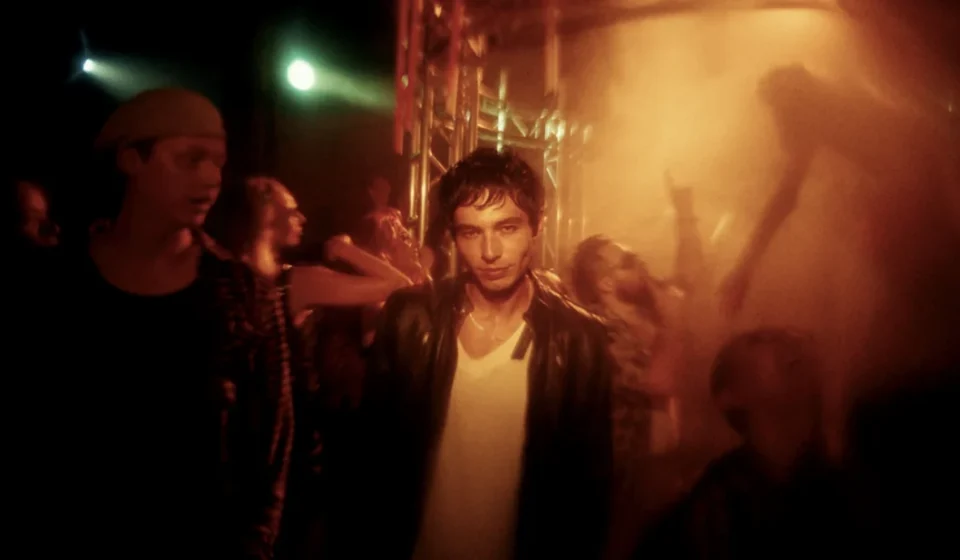
The film’s pacing is a departure from the slow-burn gothic traditions of the past. While it shares DNA with classics of psychological horror, Corpus maintains a rapid-fire, rhythmic energy. The chronology of the film is punctuated by Sayo’s photography. Evans, who directed and edited the film, utilizes a distinct visual motif: whenever Sayo snaps a photo, the frame rate shifts, time slows, and the frantic energy of the New York club scene is crystallized. As the film progresses, this "darkroom" aesthetic migrates to the mansion, turning the act of capturing a memory into a mechanism of seduction and, eventually, a precursor to violence.
Technical Mastery: Cinematography and Soundscapes
One cannot discuss Corpus without addressing the technical craftsmanship that elevates it above standard festival fare. Cinematographer Charlie Cole opts for a color palette that defies the industry-standard desaturation of modern horror. Instead, the club scenes are rendered in lush, vibrant hues that evoke the tactile grit of an art-school portfolio. It is a visual language that screams of the late 90s—the smell of stale cigarettes, the sharpness of cologne, and the humid, electric air of an underground rave.
This aesthetic is perfectly mirrored by the score composed by VAAAL. The sound design is a masterclass in tonal shifts, blending industrial, dark wave, and 90s breakbeats. During moments of intense interpersonal intimacy, the bombastic electronic pulse gives way to soft grunge, creating a sonic texture that feels both nostalgic and deeply unsettling. The music does not merely accompany the action; it drives the emotional state of the audience, oscillating between tenderness and pure, unadulterated terror.
![Intimacy Horror ‘Corpus’ Feels Downright Claustrophobic [Fantasia Review]](https://www.dreadcentral.com/wp-content/uploads/2026/07/Screenshot-2026-07-27-at-9.21.57-PM-1200x675.png)
The Intimacy of Fear: Official Responses and Creative Vision
Director Corrin Evans has been vocal about her intentions, particularly regarding the depiction of sexuality. In her pre-release statement, Evans noted, "It’s a headspace that is extremely personal and private for the character—a way to explore and reveal what tugs at the depths of them."
This focus on the internal psyche is facilitated by the film’s rigorous approach to intimacy. By bringing in Chelsea Pace—a titan in the field of intimacy coordination—Evans ensured that every physical interaction on screen was narratively intentional. The collaboration between director and coordinator is palpable; the tension between what the characters say and what they actually do creates a "torturous" viewing experience that keeps the audience in a state of constant, heightened alertness. The characters’ sexualities are not treated as secondary plot points or "queer baiting," but as the primary catalyst for their undoing.
Implications for Queer Cinema
Corpus arrives at a pivotal moment in queer cinema. While there is no shortage of films featuring LGBTQ+ protagonists, Evans avoids the common trap of "glitter-drenched" or overly polished representations. The film offers a grounded, gritty, and raw look at queer life in the 90s—one that feels "matter-of-fact" rather than performative.
By positioning Sayo and Vince’s relationship at the center of a horror narrative, the film challenges the viewer to confront the inherent dangers of toxic desire. The film’s critical success at Fantasia suggests a shifting landscape: audiences are increasingly hungry for queer stories that don’t shy away from the darker, more visceral aspects of the human experience. It is a film that demands to be seen not just as a "queer horror movie," but as a legitimate entry into the canon of psychological thrillers that prioritize atmosphere over exposition.
Conclusion: A Slow Burn That Demands Patience
If there is a critique to be leveled against Corpus, it lies in the patience required of its audience. Those expecting a bloodbath from the opening scene may find themselves waiting; the visceral body horror is reserved for the final act, serving as a brutal, necessary payoff to the preceding tension. Corpus is, in every sense, a slow burn—a film that requires the viewer to submit to its pacing, much like the characters must submit to the house.
For those who appreciate the isolation of The Invitation or the psychosexual intensity of Breeder, Corpus is a must-watch. It is a haunting, stylish, and deeply unsettling piece of filmmaking that confirms Corrin Evans as a director to watch. As the film leaves the festival circuit and moves toward wider distribution, it is likely to be remembered as a high-water mark for 2026’s horror output—a film that captures the prickly, claustrophobic stench of fear and the beautiful, fleeting agony of desire with equal precision.