
Beyond the Rabbit Hole: Why ‘Coyote vs. Acme’ Redefines the Future of the Looney Tunes Franchise

The cinematic landscape of 2026 has been marked by a release that, only two years prior, seemed destined for the digital graveyard. Coyote vs. Acme, the long-gestating live-action/animation hybrid, has finally arrived in theaters courtesy of Ketchup Entertainment. Its release is more than just a victory for fans of the franchise; it serves as a watershed moment for the Looney Tunes brand, proving that the future of these iconic characters lies in looking beyond the singular, massive shadow cast by Bugs Bunny.
A Turbulent Journey: From Shelved Asset to Cult Triumph
The history of Coyote vs. Acme is one of the most contentious chapters in modern Hollywood history. Initially greenlit by Warner Bros. Discovery under the leadership of CEO David Zaslav, the project was completed during a period of aggressive corporate cost-cutting. In late 2023, the studio made the controversial decision to shelve the film entirely, intending to write it off for tax purposes—a move that sparked a massive outcry from filmmakers and audiences alike.
For months, the film was presumed lost, with Warner Bros. refusing to sell the distribution rights to interested parties. However, the sheer quality of the finished product and the persistence of the creative team eventually led to a pivot. Ketchup Entertainment stepped in as the unlikely savior, acquiring the rights and finally bringing the film to the masses. The release has been met with critical acclaim, with many praising the film’s sharp, anti-monopolistic narrative and its clever subversion of corporate tropes—an ironic mirror to its own real-world production saga.
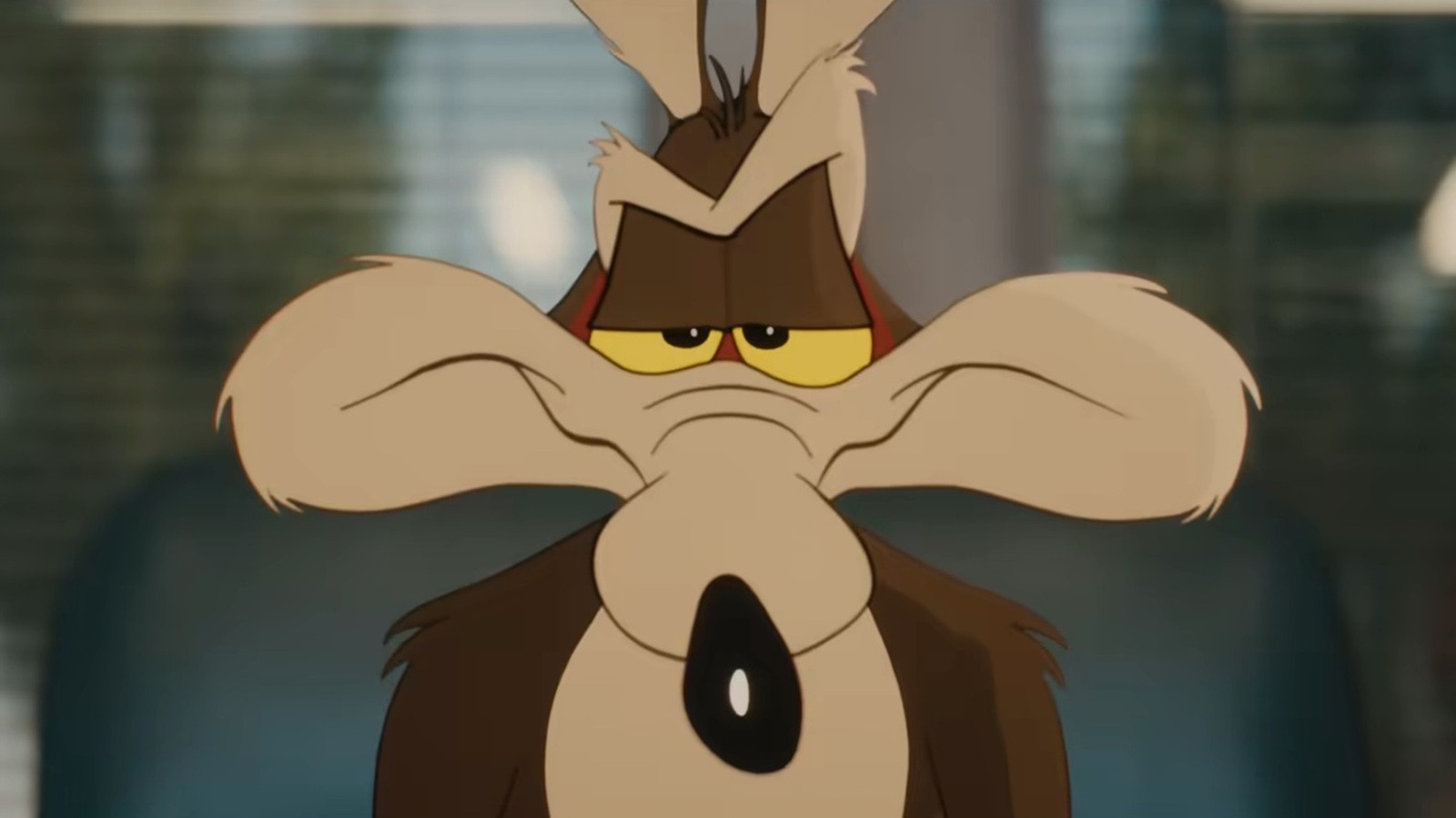
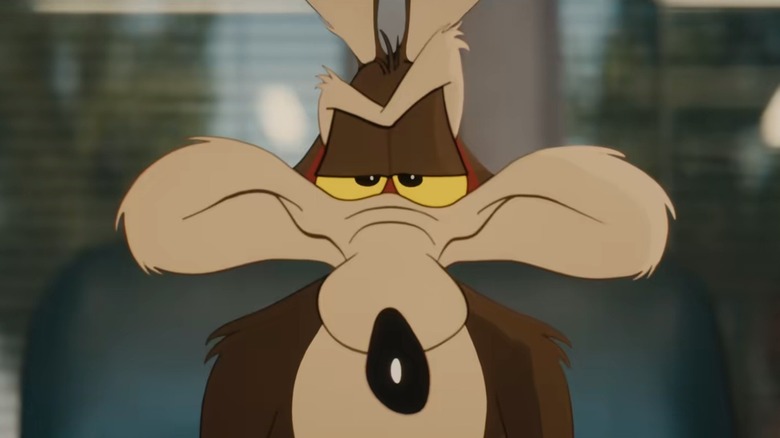
The Narrative Core: Wile E. Coyote as the Underdog Hero
At its heart, Coyote vs. Acme functions as a legal drama with the kinetic energy of a classic Tex Avery short. The screenplay, penned by Samy Burch (based on a story by Burch, James Gunn, and Jeremy Slater), shifts the focus from the tired "predator vs. prey" dynamic to a story about a "little guy" taking on a massive, faceless conglomerate.
By positioning Wile E. Coyote not as a perpetual failure, but as a victim of faulty consumer products, the film grants the character a newfound emotional depth. He is no longer just a silent prop for slapstick violence; he is a resilient underdog with a heart of gold. This characterization effectively humanizes a creature who has spent decades communicating only through written placards. Eric Bauza’s vocal performance—seamlessly blending the classic spirit of Mel Blanc with a modern, emotive edge—anchors the film, proving that the Looney Tunes are capable of carrying complex, character-driven narratives without relying on meta-commentary or fourth-wall-breaking antics.
Diversifying the Roster: The Post-Bugs Era
For decades, the Looney Tunes brand has been synonymous with Bugs Bunny. While Bugs remains one of the most recognizable figures in pop culture, the reliance on him as the face of every venture has arguably stifled the potential of the broader ensemble. Coyote vs. Acme joins the ranks of The Day the Earth Blew Up in demonstrating that the franchise is at its most creative when it pivots to its supporting cast.
The Case for the Supporting Ensemble
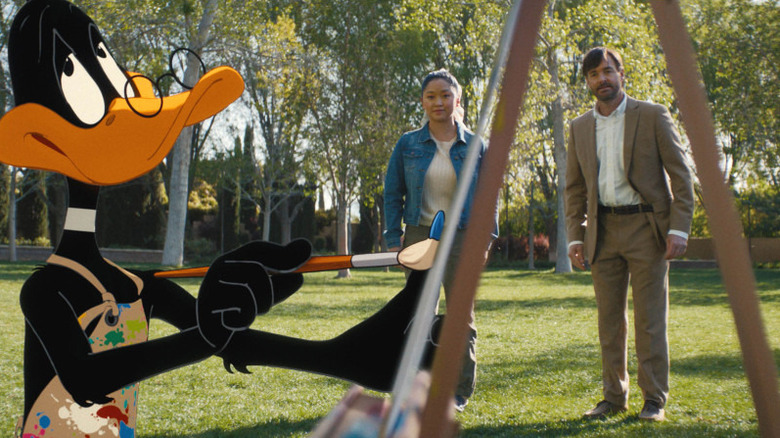
- Daffy Duck: As a character with a deeper history than even Bugs, Daffy’s neurotic, high-energy personality provides a different flavor of comedy that is often sidelined in favor of the "cool, collected" archetype of the rabbit.
- Porky Pig: With a higher appearance count in the golden age of animation than almost any other character, Porky’s relatability makes him a perfect protagonist for stories grounded in everyday struggle.
- The Global Potential: The development of a Speedy Gonzales project under the guidance of Jorge R. Gutiérrez highlights a shift toward cultural specificity and reclamation. By moving away from the "Bugs Bunny-centric" model, the studio has the potential to revitalize characters who have been trapped in dated stereotypes, transforming them into modern icons.
A Lived-In Universe: The ‘Muppetization’ of Looney Tunes
Perhaps the most significant technical and narrative achievement of Coyote vs. Acme is its world-building. In previous live-action crossovers like Space Jam, the Looney Tunes were often treated as visitors or intruders in the human world. Coyote vs. Acme takes a different approach, drawing inspiration from the structural logic of Who Framed Roger Rabbit.
In this film, cartoons are not a novelty; they are a functioning, integral part of society. The integration is seamless: Elmer Fudd holds office as a U.S. Senator, and the "Acme Corporation" operates as a global entity that interacts with both animated and live-action characters. By treating the characters like professional actors rather than mascots, the filmmakers have created a template for future projects. This "Muppetization"—where the characters play roles within a story rather than just "being themselves"—allows for a versatility that the franchise has lacked for years.
Implications for the Future of Animation
The commercial performance of Coyote vs. Acme remains a subject of intense industry scrutiny. However, its success as a creative endeavor has already set a new standard for the brand.
Key Takeaways for Studio Executives:
- Character Depth Over Brand Recognition: Audiences have proven they are willing to engage with secondary characters if the writing is strong enough to provide emotional stakes.
- The "Lived-In" Aesthetic: Future Looney Tunes projects should focus on world-building that treats the animated characters as inhabitants of a shared, coherent reality rather than isolated comedic elements.
- Corporate Subversion as Content: Given the real-world history of the film, its anti-corporate themes have resonated deeply with modern audiences. Moving forward, the franchise should lean into stories that challenge the "monopoly" mindset, both in front of and behind the camera.
Conclusion: A New Blueprint
The survival and subsequent success of Coyote vs. Acme is a testament to the enduring power of the Looney Tunes. It has successfully argued that the franchise does not need to be a slave to its own mascot. By experimenting with genre—moving from legal drama to character-driven comedy—and by giving characters like Wile E. Coyote, Porky Pig, and Daffy Duck the space to evolve, Warner Bros. and other stakeholders have a clear roadmap for the next decade of content.
If the studio can look past the short-term goal of simply plastering Bugs Bunny’s face on every product and instead invest in the rich, diverse, and often chaotic world of the entire ensemble, the Looney Tunes may well enter a new "Golden Age." Coyote vs. Acme proves that while the rabbit may be the star, the real magic of the Looney Tunes lies in the collective. It is time to let the rest of the cast run, fall, and triumph in their own right.