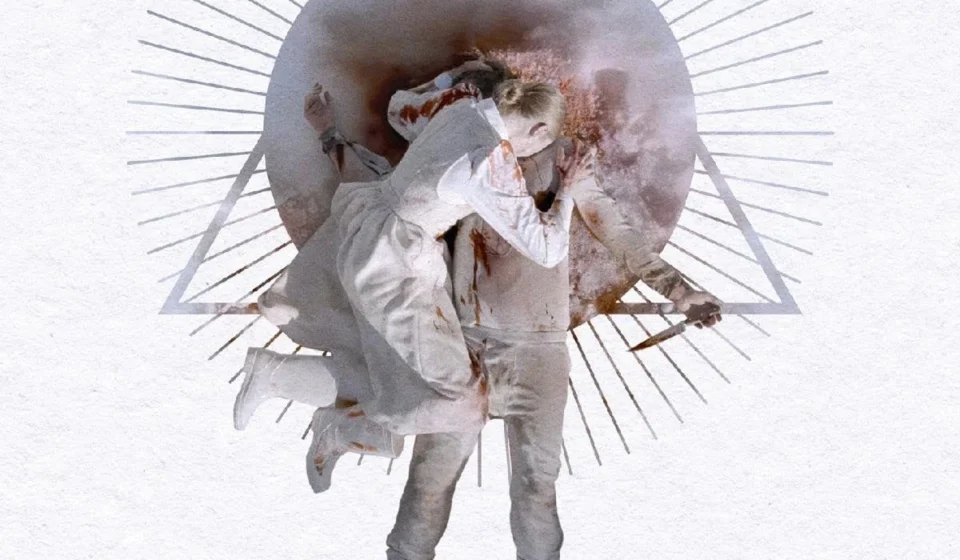

The landscape of modern folk horror is poised for a harrowing expansion as Dark Sky Films officially announces the upcoming release of Blood Shine. With the unveiling of a haunting new trailer and a visceral, symbolic poster, the studio has signaled that this collaboration between directing duo Emily Bennett and Justin Brooks is set to become one of the most talked-about genre entries of the late summer. Scheduled for a theatrical and VOD/Digital release on August 21st, the film promises an uncompromising exploration of faith, isolation, and the terrifying intersection of the divine and the profane.
The Premise: A Collision of Worlds
Set against the stark, unforgiving backdrop of upstate New York’s desolate wilderness, Blood Shine follows the story of Clara, a woman defined by her fanatical religious devotion. Clara is not merely a believer; she is a zealot who performs solitary, sacred rituals dedicated to the worship of "the light." Her secluded existence is disrupted by the arrival of Brighton West, a filmmaker whose professional reputation is as fractured as his personal life. West, struggling to overcome a creative blockade, travels to the countryside to finalize the screenplay for his latest project.
What begins as a chance encounter between the artist and the ascetic quickly devolves into a nightmare. As West is drawn deeper into Clara’s orbit, he finds himself trapped in a hallucinatory web where the boundaries between faith, flesh, and the sublime are violently erased. The film positions itself as a meditation on the cost of conviction, suggesting that in the pursuit of spiritual enlightenment, one must be prepared to shed their humanity.
Chronology and Production Development
The journey of Blood Shine from concept to screen represents a significant milestone for the creative team of Emily Bennett and Justin Brooks. Having previously collaborated on projects like Alone with You, the duo has cultivated a reputation for creating claustrophobic, psychologically taxing narratives that rely on atmosphere as much as shock.
The development phase was characterized by a focus on "tactile horror"—the idea that the audience should feel the physical weight of the film’s transgressions. Principal photography took place in the rugged terrains of upstate New York, an environment chosen specifically to mirror the internal isolation of the protagonist. Following a rigorous post-production schedule, Dark Sky Films secured the rights, recognizing the project’s potential to resonate with a modern audience hungry for sophisticated, slow-burn folk horror.
The release rollout is set for August 21st, a strategic date that positions the film at the tail end of the summer blockbuster season, allowing it to serve as a dark, intense transition into the autumn months—a time traditionally favored by horror aficionados.
The Cast: A Powerhouse of Genre Talent
One of the most striking aspects of Blood Shine is its ensemble cast, which serves as a "who’s who" of independent horror royalty.

- Emily Bennett: Beyond her duties behind the camera, Bennett takes on a central role, continuing her streak of intense, performance-driven work seen in Shelby Oaks.
- David Call: Known for his work in Insidious: The Red Door, Call brings a grounded, relatable vulnerability to the role of the troubled filmmaker Brighton West, serving as the audience’s entry point into the chaos.
- Brendan Sexton III: A veteran of dark, complex character work (Russian Doll), Sexton is expected to add a layer of unpredictable menace to the proceedings.
- Larry Fessenden: A titan of the independent horror scene, Fessenden’s involvement in MaXXXine and his own directorial catalog make his presence in Blood Shine a stamp of credibility. His ability to inhabit morally ambiguous characters is a perfect fit for the film’s tone.
- Toby Poser: Having captivated audiences with the raw, familial horror of Hellbender, Poser’s inclusion ensures that the film’s emotional stakes remain high and unsettling.
Analyzing the Trailer: A Symphony of Dread
The recently released trailer provides a visceral preview of the film’s aesthetic. Dominated by high-contrast lighting—playing on the film’s "light worship" theme—the footage is filled with cultish imagery, candlelit rituals, and the pervasive sense of dread that comes with total isolation.
Perhaps the most discussed moment in the trailer is a brief, unflinching shot of a hammer being used in an act of ritualistic violence. It is this brand of "cringe-inducing" imagery that sets Blood Shine apart from standard supernatural fare. The cinematography, which favors lingering shots and oppressive silence over jump scares, suggests a film that is deeply invested in the slow erosion of the viewer’s comfort.
Supporting Data: The Rise of Folk Horror
The market for folk horror has seen a massive resurgence over the last decade. Films like The Witch, Midsommar, and The Lighthouse have proven that there is a significant, intelligent audience for stories rooted in ancient, rural anxieties. Blood Shine occupies a unique space within this subgenre. While it utilizes the "rural cult" trope, it pivots toward a modern, intellectual crisis—the struggle of the contemporary artist to find meaning in a world that has largely abandoned ritual.
Industry analysts note that independent horror films distributed by specialized labels like Dark Sky Films often enjoy a long "tail" of success on VOD platforms. The combination of a strong cast and a distinct visual style gives Blood Shine a high probability of finding a cult following, regardless of its initial theatrical box office performance.
Official Responses and Creative Vision
In discussions regarding the film’s themes, creators Emily Bennett and Justin Brooks have emphasized the concept of "the sublime." They argue that in classical aesthetics, the sublime is defined by an experience that is both beautiful and terrifying—a feeling of being overwhelmed by something far greater than oneself.
"We wanted to look at what happens when the pursuit of the ‘light’ becomes an obsession," the directors noted in a brief statement provided by the studio. "Clara isn’t a villain in her own mind; she is a conduit. The horror comes from how she interprets that connection, and how the outside world—represented by Brighton—tries to make sense of a reality that defies conventional logic."
Producers Alexander Schepsman, Zeus Kontoyannis, Garrett Fennelly, Aaron Koontz, and Ashleigh Snead have echoed these sentiments, highlighting the collaborative synergy that allowed the film to maintain its singular vision despite the logistical challenges of filming in a remote, harsh environment.

Implications for the Genre
The release of Blood Shine arrives at a pivotal moment for horror. As audiences move away from franchise-heavy, big-budget sequels, there is a renewed interest in original, medium-budget genre films that take creative risks.
If Blood Shine succeeds, it will solidify the reputation of Bennett and Brooks as directors to watch. Furthermore, it reinforces the necessity of the mid-budget horror model—a space where auteurs can experiment with darker, more philosophical themes without the pressure of appealing to a four-quadrant global audience.
The film also raises questions about the "problematic" protagonist. By centering the story on a director who is arguably a flawed character, the film invites viewers to interrogate their own consumption of media. Is Brighton West a victim of Clara’s madness, or is he merely reaping the rewards of his own lack of boundaries?
Conclusion: A Date with the Divine
As the August 21st release date approaches, the anticipation surrounding Blood Shine continues to mount. With its intoxicating blend of religious fervor, visceral violence, and a stellar cast, the film is positioned to be a landmark release in the folk horror canon. Whether one is drawn to the film for its stylistic promise or the pedigree of its cast, one thing is certain: Blood Shine is not a film meant for the faint of heart. It is a descent into a blinding, beautiful, and deeply unsettling light—one that promises to leave its mark on the audience long after the credits roll.
Mark your calendars; for those who worship at the altar of the macabre, the light is finally coming.