
The news of Sam Neill’s passing at the age of 78 has sent a ripple of profound, quiet sorrow through the global film community. To the casual moviegoer, he was Dr. Alan Grant, the rugged paleontologist who taught a generation that dinosaurs weren’t just monsters, but living, breathing, and occasionally terrifying history. To the cinephile, he was a chameleon—a performer of rare, unforced intelligence who could anchor a blockbuster with a single, wide-eyed stare or descend into the absolute, gore-soaked depths of cosmic horror without ever losing his grip on the character’s essential humanity.
Sam Neill was a man of contradictions: a Hollywood leading man who preferred the solitude of his New Zealand vineyard; a performer who could play the literal Antichrist and yet remain, by all accounts, one of the industry’s most decent human beings. As we look back on his half-century career, we are not just mourning a performer, but an artist who treated every role—from the most "lurid B-movie material" to the most prestigious drama—as a sacred space.
A Life in Frames: The Chronology of a Master
Born in Northern Ireland and raised in New Zealand, Neill’s career path was never the standard Hollywood trajectory. He emerged from the burgeoning New Zealand film scene in the late 1970s, making his international breakthrough in Gillian Armstrong’s 1979 masterpiece My Brilliant Career. His performance as Harry Beecham, a wealthy, sensitive landowner, established the archetype he would refine for decades: the man of substance who hides a deep, churning emotional complexity behind a veneer of polite, rugged reserve.
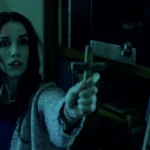
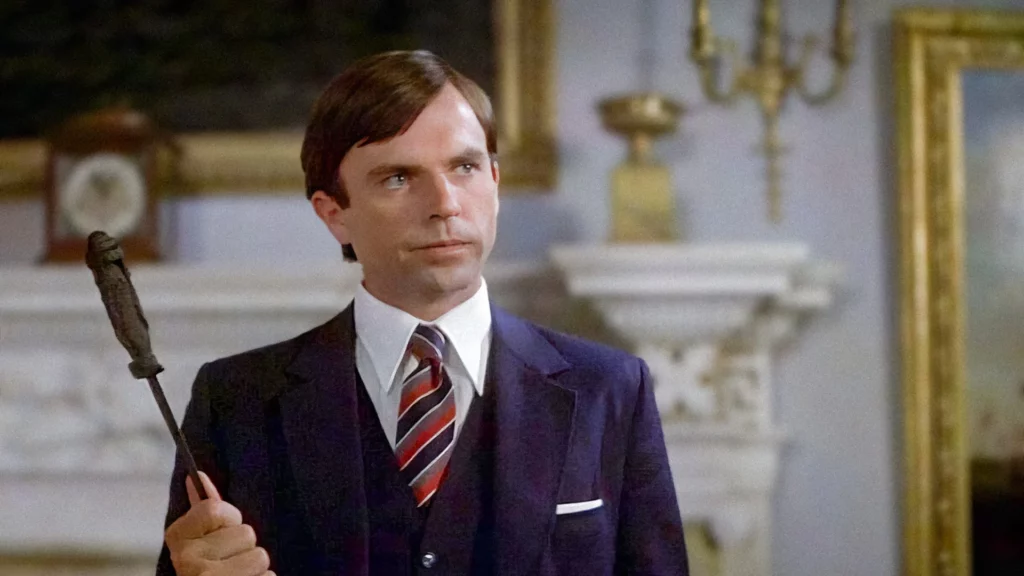
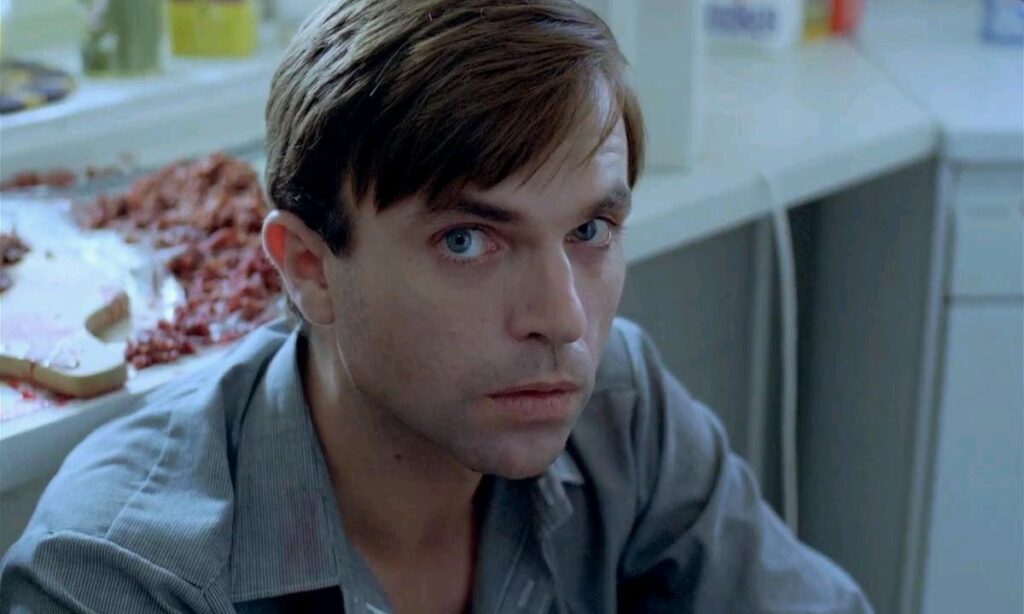
His ascent continued with a series of daring, often dark choices. In 1981, he appeared in both the polarizing The Omen III: The Final Conflict—where he played a chilling, sophisticated Damien Thorn—and the cult classic Possession, directed by Andrzej Żuławski. Possession remains a defining moment for Neill, showcasing his ability to operate in the realm of high-concept, psychological, and physical extremity.

By the late 1980s, Neill had become a fixture of international prestige cinema, working with heavyweights like Meryl Streep in A Cry in the Dark (1988) and starring in Phillip Noyce’s Dead Calm (1989), a film that demonstrated his unique chemistry with costars. However, it was his 1993 turn in Steven Spielberg’s Jurassic Park that propelled him into the stratosphere of global superstardom. Despite the massive scale of the production, Neill remained grounded, later remarking on the "mortifying" experience of his earlier Bond audition in comparison to the naturalistic, albeit chaotic, energy of the Spielberg set.
The 1990s and 2000s saw Neill oscillate between high-budget tentpoles and auteur-driven projects, including the Lovecraftian masterpiece In the Mouth of Madness (1994) and the visceral sci-fi horror Event Horizon (1997). Even as his career spanned continents, Neill remained deeply tethered to his home, codirecting the 1995 documentary Cinema of Unease, which interrogated the soul of New Zealand’s national identity.
The Alchemist of Performance: Supporting Data and Style
What separated Sam Neill from his contemporaries was his rare ability to elevate his costars. Critics and colleagues frequently noted his "alchemical" quality—a capacity to listen and react that made scenes with him feel like genuine, unscripted human encounters.
In Jurassic Park, Neill’s performance is often simplified to "hero," but a closer look reveals a masterclass in reactionary acting. His "Spielberg Face"—the look of genuine, childlike awe when first beholding the brachiosaurus—remains the emotional anchor of the entire franchise. It is a moment of pure, unadulterated belief that sold the audience on the impossible.

Furthermore, Neill’s filmography is a testament to his refusal to be pigeonholed. Whether he was playing a menacing antagonist or a reluctant, world-weary hero, he avoided the "alpha-male" clichés of the era. He brought a sense of humor and pathos to the rationalist coming unglued, a trope that, in lesser hands, often feels forced. In In the Mouth of Madness, his character John Trent’s descent into insanity is punctuated by moments of dark, cynical levity that only Neill could have delivered.
Official Responses and the "Farmer" Persona
Following the announcement of his death, the tributes were universal in their warmth. John Carpenter, director of In the Mouth of Madness, captured the industry’s collective sentiment in a Facebook post: "The world has lost a remarkable actor, father, farmer, and friend."
The mention of "farmer" is vital to understanding the man. Neill was, by all accounts, the antithesis of the typical Hollywood celebrity. His social media presence, centered around his Central Otago vineyard, Two Paddocks, was a refreshing, eccentric digital archive of his life away from the lights. His candid selfies with pigs, ducks, and cows—often accompanied by dry, self-deprecating wit—offered a window into a life defined by simplicity and stewardship.
Neill’s decision to leave Twitter in 2022, following its acquisition by Elon Musk, was characteristic of his personal values. He walked away from the platform, stating he was "not happy to be in a place that is so angry and divisive." It was the act of a man who preferred the company of his "yoga partner" pigs to the toxicity of online discourse.
Implications: The Legacy of a Humanistic Actor
Sam Neill’s impact on cinema is not merely defined by box-office receipts or iconic roles, but by the "human soul" he injected into the projects he touched. He possessed an uncanny ability to inhabit B-movie narratives with the same level of commitment he brought to arthouse dramas. He never condescended to his material; instead, he treated genre film as a vessel for exploring the human condition.
His 2023 memoir, Did I Ever Tell You This?, provided a poignant coda to his public life. Following his diagnosis with non-Hodgkin lymphoma, Neill spoke with refreshing, often devastating honesty about the prospect of mortality. "I’m not afraid of dying," he told the BBC. "What I don’t want to do is to stop living."
His legacy is one of endurance—not just of a long career, but of a long, rich, and engaged life. He navigated the "mouth of madness" that is the film industry with a wry smile and a steadfast devotion to the things that mattered: his family, his land, and his craft.
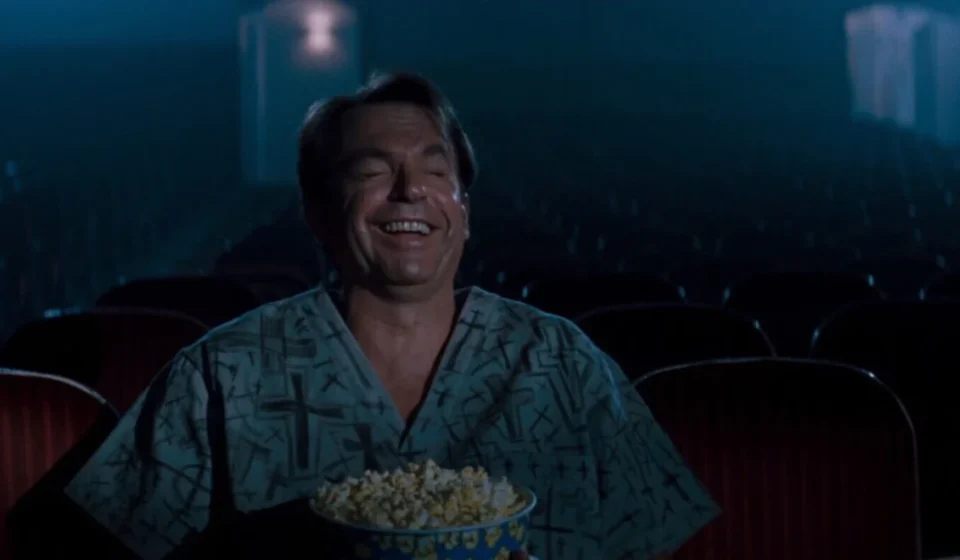
In that final, haunting scene of In the Mouth of Madness, we see John Trent sitting in a cinema, eating popcorn as the world ends, laughing at the absurdity of it all. It is perhaps the most fitting image to leave us with: Sam Neill, the ultimate observer, watching the show until the very last frame. He reminded us that even when reality seems to be falling apart, there is a grace to be found in simply being present, in being kind, and in keeping a sense of humor until the lights go up.
Sam Neill has left the screen, but the resonance of his performance remains—a permanent, comforting fixture in the archive of our collective imagination. The world is indeed a little quieter, and perhaps a little less human, without him.