From Viral Phenomenon to Feature Horror: Deconstructing the ‘Backrooms’ Cinematic Event

The landscape of modern horror has undergone a seismic shift, migrating from the traditional studio system to the grassroots, algorithm-driven world of internet creepypastas. Nowhere is this transformation more evident than in the rise of Backrooms, the feature-length directorial debut of Kane Parsons. Recently dissected on the VFX Show podcast, the film represents a landmark intersection between viral digital content and professional studio production.
Produced by A24, Backrooms serves as a psychological science-fiction horror experience that challenges the conventions of liminal space aesthetics. With a cast anchored by Academy Award-nominee Chiwetel Ejiofor and Cannes-laureate Renate Reinsve, the film marks a high-stakes transition for Parsons, who first rose to prominence through his singular, terrifying vision of the “Backrooms” lore on YouTube.
The Genesis: A Digital Legend Becomes Reality
The Viral Roots
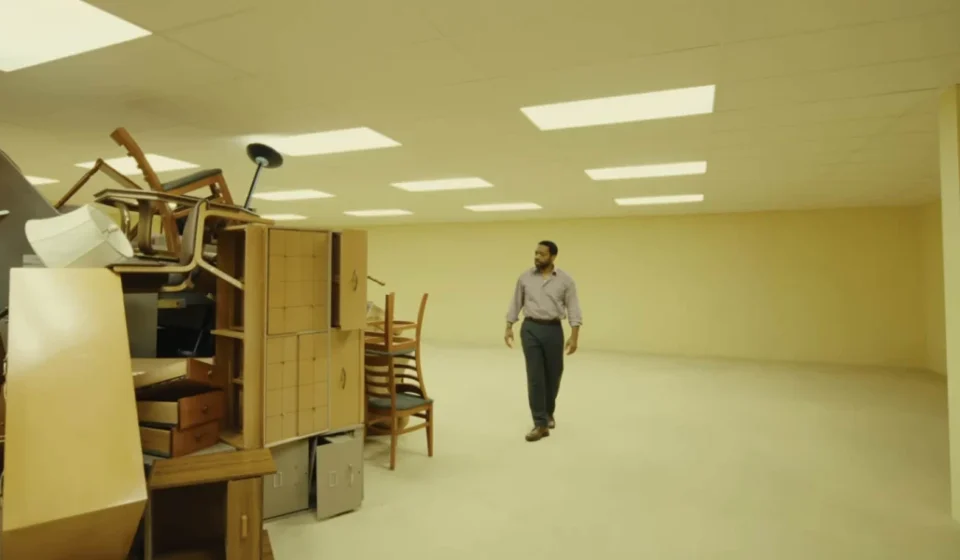
The "Backrooms" phenomenon originated as a 2019 4chan post, which described a nightmare realm of yellow-wallpapered, fluorescent-lit corridors—an architectural purgatory known as a “liminal space.” The concept captured the collective subconscious, but it was Kane Parsons (known online as Kane Pixels) who codified the visual language of the mythos. Through his YouTube channel, Parsons utilized Blender to craft short, hyper-realistic found-footage segments that expanded the lore into a complex narrative involving a shadowy organization known as “Async Research.”
Chronology of Production
- 2019-2021: The proliferation of the “Backrooms” meme across internet forums.
- 2022: Kane Parsons releases his foundational short films on YouTube, garnering hundreds of millions of views and international critical acclaim for his mastery of practical-digital hybrid effects.
- 2023: A24 officially partners with Parsons to develop a feature-length adaptation, with Will Soodik attached as the screenwriter.
- 2024: The film enters production, bridging the gap between Parsons’ independent workflow and the rigors of professional cinematography.
- 2025 (Current): The release of the film, which the VFX Show hosts have identified as a unique case study in digital-native filmmaking.
Plot Dynamics and Narrative Structure
At its heart, the Backrooms film departs from the strictly documentary-style shorts, opting for a character-driven narrative. The story centers on Clark (Chiwetel Ejiofor), a furniture store owner whose mundane life is interrupted by the discovery of an interdimensional rift within his establishment’s basement.
The narrative introduces Mary (Renate Reinsve), a therapist who becomes tethered to Clark’s descent into this architectural abyss. The film explores the "liminal space" concept—the feeling of being in a transitional area that feels "wrong" or "off"—and treats these infinite, repetitive spaces as a sentient, hostile entity. As the VFX Show hosts noted, the film’s success relies heavily on the tension between the characters’ psychological states and the oppressive, non-Euclidean geometry of the environments they inhabit.
Technical Mastery: The VFX Perspective
The VFX Show podcast, hosted by Matt Wallin, Jason Diamond, and Mike Seymour, offers a deep dive into the visual complexity of the project. Given Parsons’ background as a VFX wunderkind, the film is a masterclass in lighting and atmosphere.
Digital Architecture and Liminality
The technical challenge of Backrooms is the creation of a setting that feels expansive yet claustrophobic. By utilizing advanced rendering techniques, the production team—led by Parsons—recreates the specific "uncanny valley" aesthetic of the internet original. The team on the VFX Show highlights how the film uses light to dictate the horror; the buzzing of the fluorescent lights and the degradation of the visual signal (an homage to the original found-footage format) act as primary tools for pacing.
The Human Element in a Synthetic World
A recurring theme during the podcast discussion was the integration of high-caliber acting within a highly synthetic environment. Chiwetel Ejiofor and Renate Reinsve bring a grounded, emotional weight to the film, which prevents the production from becoming merely a “tech demo.” This humanization of the lore is what elevates Backrooms from a niche internet experiment to a mainstream cinematic event.
Supporting Data: The Impact of Internet Lore on Cinema
The transition of Backrooms to the big screen provides crucial data on the changing habits of modern audiences.
- Audience Retention: By utilizing a pre-established fanbase, A24 has secured a built-in demographic that is already deeply invested in the lore of the “Async” research facility.
- Budget Efficiency: Leveraging Parsons’ own workflows, the production has managed to achieve high-fidelity visuals that would typically require significantly larger budgets, showcasing a new model for high-end indie horror.
- Critical Reception: While horror remains a divisive genre—as noted by host Mike Seymour, who jokingly remarked, "Mike Hates Horror"—the consensus on Backrooms is that it pushes the boundaries of visual storytelling.
Official Responses and Industry Implications
The collaboration between A24 and Parsons is viewed by many industry analysts as a turning point. Traditional studios are often hesitant to hand creative control to digital creators, yet the success of this project suggests that the “creator-led” model is becoming increasingly viable.
“The bridge between the YouTube ecosystem and the professional studio system is now fully formed,” the VFX Show panel concluded. The production notes indicate that the film was intended to preserve the "soul" of the original shorts while expanding the scope to accommodate the demands of a theatrical release. By maintaining Parsons in the director’s chair, the studio ensured that the "liminal" feeling—a core component of the brand—remained untarnished by corporate interference.
Implications for the Future of Horror
The success of Backrooms signals several major implications for the future of horror cinema:
- The Death of the "Reboot" Era: Audiences are increasingly rejecting traditional IP reboots in favor of original, community-grown mythologies. The “Backrooms” lore did not need a corporate writer’s room to become a viable story; it was already a self-sustaining ecosystem.
- The Rise of the Digital Director: We are likely to see more creators recruited from platforms like YouTube, TikTok, and Instagram to helm major projects. These creators possess a unique understanding of pacing and visual engagement that is tailor-made for the modern, short-attention-span viewer.
- Technical Democratization: The tools used by Parsons (Blender, Unreal Engine, and custom rendering pipelines) are now becoming standard in Hollywood. Backrooms is effectively the “proof of concept” that a single visionary can command a production of this magnitude using digital tools that were previously relegated to the domain of bedroom hobbyists.
Conclusion
As the VFX Show podcast concludes, the conversation around Backrooms is as much about the how as it is about the what. It is a film that demands to be seen on the largest screen possible, not just for the scares, but to appreciate the sheer audacity of its visual execution.
Kane Parsons has managed to achieve the impossible: he has taken a terrifying, abstract internet myth and successfully translated it into a coherent, frightening, and deeply human cinematic experience. Whether you are a long-time fan of the “Backrooms” creepypasta or a newcomer to the lore, the film stands as a testament to the fact that the future of horror is being written, rendered, and directed in the digital trenches.
Podcast Credits:
- Hosts: Matt Wallin (@mattwallin), Jason Diamond (@jasondiamond), and Mike Seymour (@mikeseymour).
- Production: Edited by Jim Shen.
- Platform: The VFX Show is available for subscription on Apple Podcasts, Spotify, and via RSS. For further technical analysis of the film’s visual effects, listeners are encouraged to visit fxguide.com and subscribe to their YouTube channel for in-depth behind-the-scenes breakdowns.