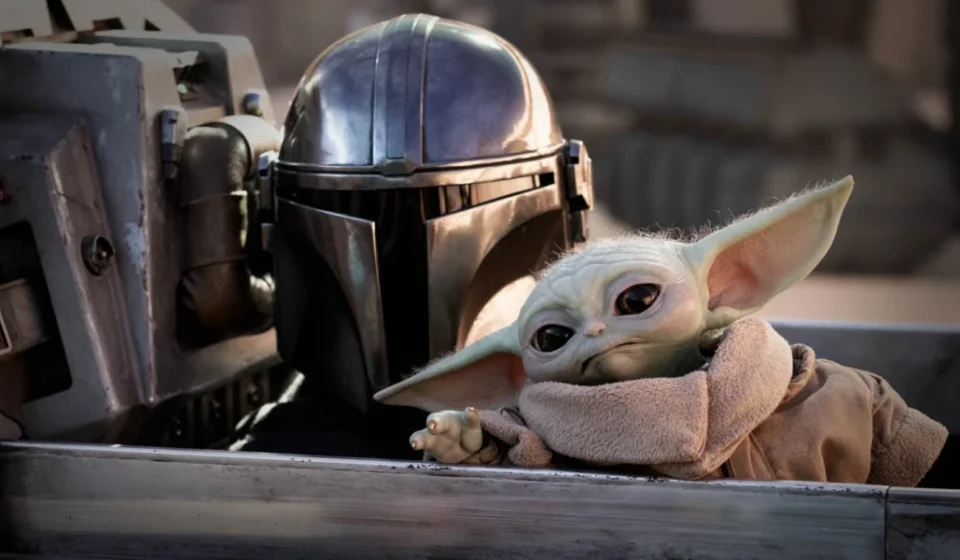
From Streaming Success to Galactic Spectacle: Analyzing the VFX of The Mandalorian and Grogu

In the evolving landscape of 2026 cinema, few transitions have been as scrutinized—or as anticipated—as the leap of Jon Favreau’s The Mandalorian and Grogu from the intimacy of Disney+ to the expansive canvas of the silver screen. Originally conceived as the fourth season of the hit streaming series, the project was pivoted into a theatrical feature, marking a bold experiment for Lucasfilm. As the industry grapples with the tension between episodic storytelling and blockbuster scale, this film stands as a critical case study in how visual effects can bridge that divide.
On the latest episode of The VFXShow, hosts Jason Diamond, Matt Wallin, and Mike Seymour dive deep into the technical and narrative implications of this transition. By examining the film’s visual language, they offer a comprehensive breakdown of what it means to bring a beloved television dynamic into a theatrical environment that demands more than just expanded aspect ratios.
The Genesis of a Big-Screen Shift
The transformation of The Mandalorian and Grogu from a multi-episode season arc into a singular, high-budget feature film represents a strategic shift for Lucasfilm. Following the fall of the Empire, the film thrusts the titular duo into a New Republic mission that pushes them beyond their familiar comfort zones. The narrative stakes are raised through the inclusion of complex geopolitical threads, including the involvement of Rotta the Hutt, the emergence of remnant warlord twins, and intense gladiatorial combat sequences.
For the production team, the challenge was twofold: maintaining the grounded, character-focused emotional core that defined the show, while scaling up the visual complexity to satisfy a theatrical audience. Under the guidance of VFX supervisor John Knoll and the legendary team at Industrial Light & Magic (ILM), the film manages to retain the series’ signature "texture" while introducing larger-than-life environments and high-octane set pieces.
Chronology of the Craft: Building the Mandalorian’s World
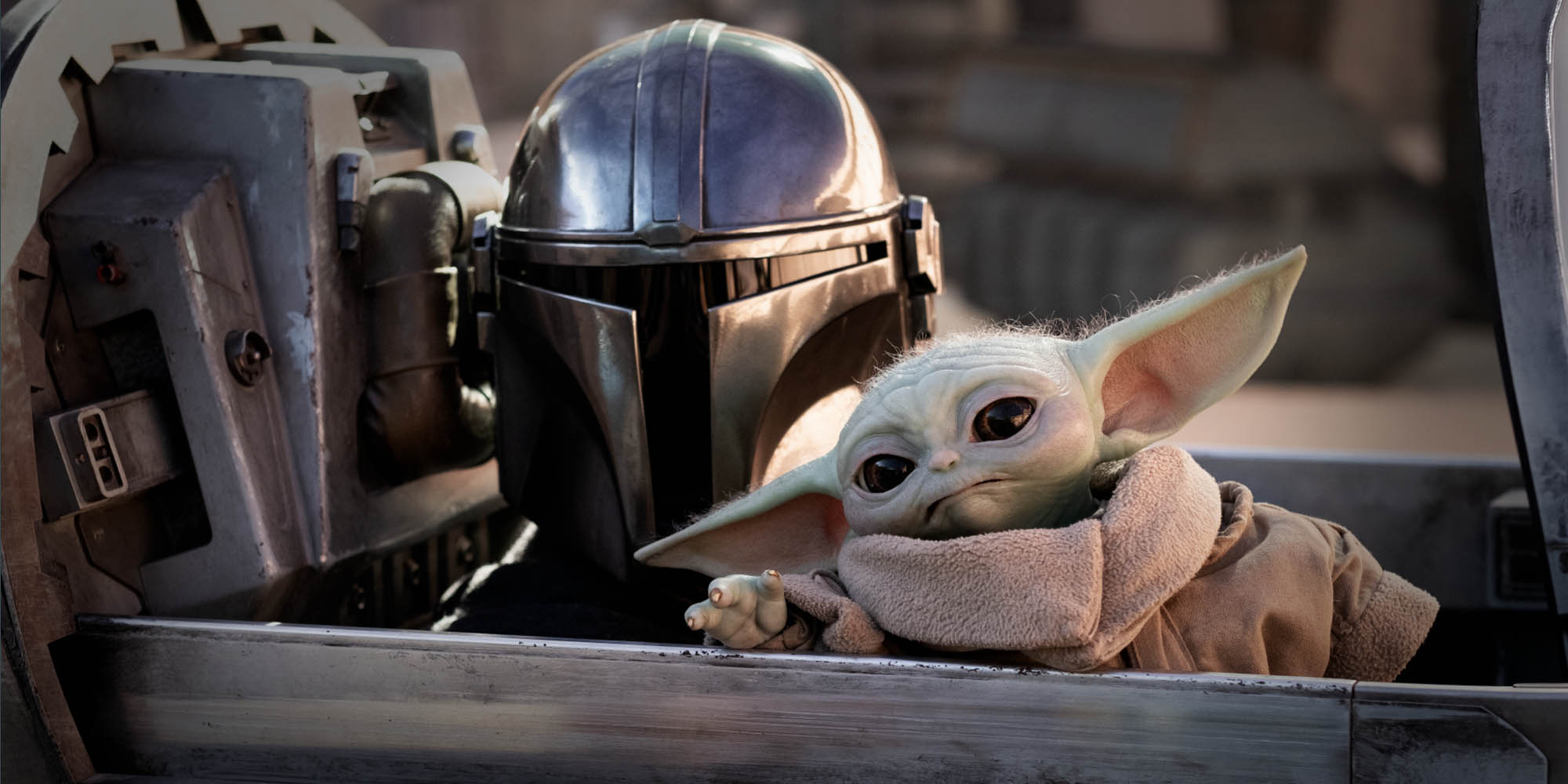
The production journey of The Mandalorian and Grogu is a testament to the maturation of the "Volume" era of filmmaking. Early in the Mandalorian series, the use of LED Volume technology revolutionized real-time environment rendering. However, as the franchise has matured, so has the methodology.
1. Pre-Production and the Pivot
When the decision was made to shift the project to a feature film, the production had to undergo a recalibration. Scenes that might have been stretched over several episodes of a season were condensed and refined for a cinematic rhythm. This required the VFX department to rethink the scope of every frame.
2. The Hybrid Performance of Grogu
Central to the film’s emotional success is the continued refinement of Grogu. As a hybrid character—utilizing a sophisticated blend of animatronics, puppetry, and digital augmentation—Grogu remains the benchmark for modern creature performance. By eschewing dialogue, the character relies on the nuance of its physical presence. The VFX team, working in tandem with the puppeteers, ensured that the "performance" remained seamless, regardless of whether the audience was looking at a practical prop or a digital layer.
3. Practicality vs. Digital Augmentation
A major focus of the podcast discussion is the film’s balance between practical and digital effects. The return of the iconic Razor Crest and the introduction of new, perilous creatures necessitated a blend of old-school craftsmanship and cutting-edge digital work. The team explored how the film honors the "Star Wars" aesthetic—referencing everything from the original 1977 holographic chess pieces to the modern, grit-heavy visual language of the current era.
Supporting Data: Technical Proficiency and Artistic Vision
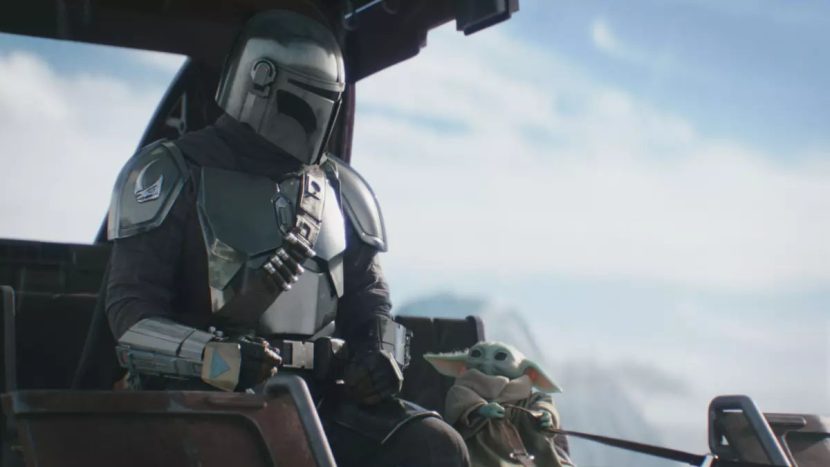
The visual effects in The Mandalorian and Grogu are not merely spectacle; they are functional storytelling tools. The technical execution is divided into several key pillars:
- Creature Design: The film introduces a variety of new, dangerous creatures that populate the post-Empire galaxy. These designs were subjected to rigorous scrutiny to ensure they felt "lived-in," avoiding the "clean" digital look that often plagues modern sci-fi.
- Digital Environments: By leveraging the advancements made since the first season of the show, the film features environments that feel both expansive and tactile. The interaction between lighting, practical sets, and digital extensions remains a hallmark of John Knoll’s supervisory approach.
- Starship Integration: The return of classic iconography is handled with a reverence for mechanical realism. The VFX team focused on the weight, motion, and battle-damage of the ships, ensuring they feel like functional machinery rather than static CG models.
Official Perspectives and Industry Commentary
During the discussion, the hosts of The VFXShow brought in broader perspectives on the current state of the industry. Matt Wallin, drawing a parallel to the cinematic release of The X-Files: I Want to Believe, questioned whether the audience’s relationship with a franchise changes when it moves from a weekly episodic format to a definitive, two-hour block.
The consensus among the hosts—Matt, Jason, and Mike—is that The Mandalorian and Grogu succeeds because it refuses to abandon its roots. It does not try to be a "Space Opera" in the vein of the Skywalker Saga; it remains a grounded, character-driven story about a bounty hunter and his ward. This focus serves as the anchor for the film’s technical ambition, preventing the spectacle from overwhelming the emotional stakes.
Implications for the Future of Star Wars
Where does Star Wars filmmaking sit in 2026? This is the central question posed by the film. We are currently in an era defined by:
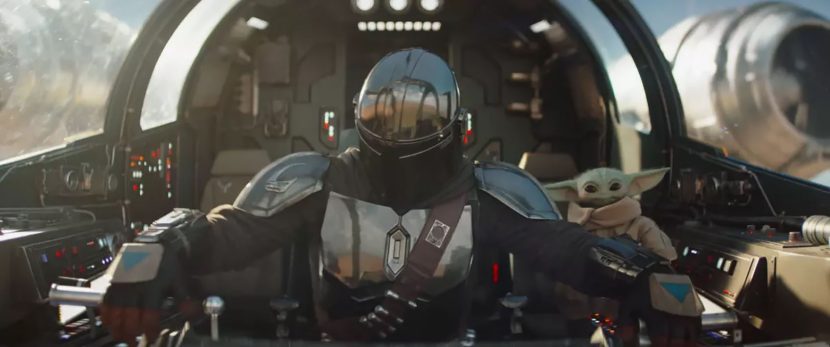
- The Death of the "Volume" Stigma: Early critics of LED volume technology pointed to "flat" lighting or limited scope. The Mandalorian and Grogu proves that with enough experience, these limitations have been largely overcome.
- Episodic vs. Cinematic: The project highlights that the line between television and film is becoming increasingly porous. Studios are now comfortable betting on long-form, episodic characters to carry the weight of a tentpole theatrical release.
- The Nostalgia Trap: The film successfully navigates the balance between nostalgia (call-backs to classic designs) and new-world building. By integrating familiar elements—like the chess pieces—with new, high-stakes scenarios, the film manages to feel like a natural extension of the franchise’s history rather than a repetitive exercise in fan service.
Conclusion: The Gladiator Pit of VFX
As the podcast concludes, the hosts acknowledge that the "gladiator pit" of modern filmmaking—where budgets are astronomical and fan expectations are at an all-time high—is an unforgiving arena. Yet, through careful curation of performance, digital integration, and narrative focus, The Mandalorian and Grogu stands as a triumph of modern visual effects.
Whether one is a proponent of the "practical-first" philosophy or a supporter of digital advancement, the film offers a masterclass in compromise. It respects the legacy of the craft while embracing the possibilities of the future. For those interested in the minutiae of these techniques, the episode provides a deep dive into the specific shots, the editorial decisions, and the behind-the-scenes challenges that defined this significant cinematic event.
About the Hosts:
- Matt Wallin: A veteran bounty hunter of the visual effects industry, Matt brings an eye for detail and a deep appreciation for the technical craft.
- Jason Diamond: Known for his sharp, neo-imperialist perspective, Jason provides critical insight into the storytelling structures of modern blockbusters.
- Mike Seymour: A "droid" of industry knowledge, Mike offers unparalleled technical analysis on the software, hardware, and methodologies shaping the future of cinema.
For further discussions on the intersection of technology and storytelling, listeners are encouraged to subscribe to The VFXShow on Apple Podcasts, Spotify, or via RSS, and to follow the team on the fxguide YouTube channel. Special thanks to Jim Shen for his continued work in the editing and production of the show, ensuring that every frame of the conversation is as clear and impactful as the films they discuss.