From Pixel-Perfect Compositing to Global Leadership: Alana Newell on the Evolution of Crafty Apes

In the high-stakes world of visual effects, the transition from an individual contributor to a C-suite executive is rarely linear. It requires a fundamental recalibration of what constitutes "success." For Alana Newell, CEO of the renowned VFX powerhouse Crafty Apes, this shift has been the defining narrative of her career. In a recent fxpodcast interview, Newell offered a rare, candid look at the challenges of helming a studio of 400 employees spread across eight international offices, and how her background as a compositor continues to serve as the bedrock for the company’s strategic expansion.
The Architecture of Leadership: Redefining Success
For many artists, the gratification of the craft is immediate: the rendering of a final frame, the seamless integration of a 3D asset, or the perfect color grade. Newell recalls this period of her career with fondness, noting that the feedback loop was tight and the sense of accomplishment was tangible.
However, leading a multi-site operation necessitates a move away from the "individual win." As CEO, Newell’s daily output is not measured in frames, but in the health of the organization, the retention of talent, and the long-term viability of the business. "Every win, in my opinion, is my team’s win," Newell explains. "It’s a collective success."
This paradigm shift comes with a heavy caveat: the weight of responsibility. While an artist might feel the sting of a rejected shot, a CEO feels the ripple effect of a failed project or a missed deadline across the entire corporate ecosystem. Managing this burden requires a level of emotional intelligence and operational oversight that differs vastly from the technical precision of compositing. Yet, Newell insists that her artistic roots are not a hindrance, but a competitive advantage.
A Legacy of Craft: The Artist-Led Strategy
Newell’s production background acts as a lens through which she evaluates every facet of the business. By maintaining a deep understanding of the VFX pipeline—from bidding to final delivery—she ensures that Crafty Apes remains grounded in reality rather than theoretical management.
This "hands-on" leadership philosophy dictates how the studio approaches risk. Because Newell understands the intricacies of shot complexity, she can foster a more empathetic and accurate dialogue with the artists on the floor. This, in turn, has solidified the studio’s reputation for being nimble. In an industry where "bigger is often seen as better," Crafty Apes has carved out a niche by balancing massive, tentpole productions with smaller, bespoke projects that require a more tailored, artisanal touch.
Strategic Diversity: The Business of Resilience
One of the most compelling insights from Newell’s tenure is the studio’s deliberate approach to market exposure. Many VFX houses have historically lived or died by the "tentpole" model—securing one or two massive blockbusters and hoping for a steady stream of revenue. Newell views this as a precarious way to operate.
Instead, Crafty Apes employs a strategy of broad-spectrum portfolio management. By spreading the studio’s resources across a diverse slate of 50 smaller or mid-sized projects rather than relying on a handful of massive, high-risk clients, the company creates a buffer against the inherent volatility of the entertainment industry.
"If a project faces a schedule shift or a major client pulls funding, a studio reliant on five projects is in crisis," Newell notes. "A studio with 50 projects can absorb those shocks, reallocate resources, and keep the engine running." This operational agility is the hallmark of modern studio management, transforming the studio from a "service provider" into a "content partner."
Machine Learning: Beyond the Hype Cycle
While the industry currently finds itself in the throes of a generative AI gold rush, Newell’s perspective on technology is markedly pragmatic. She cautions against the hype, suggesting that the true value of artificial intelligence in VFX lies in data, not just image generation.
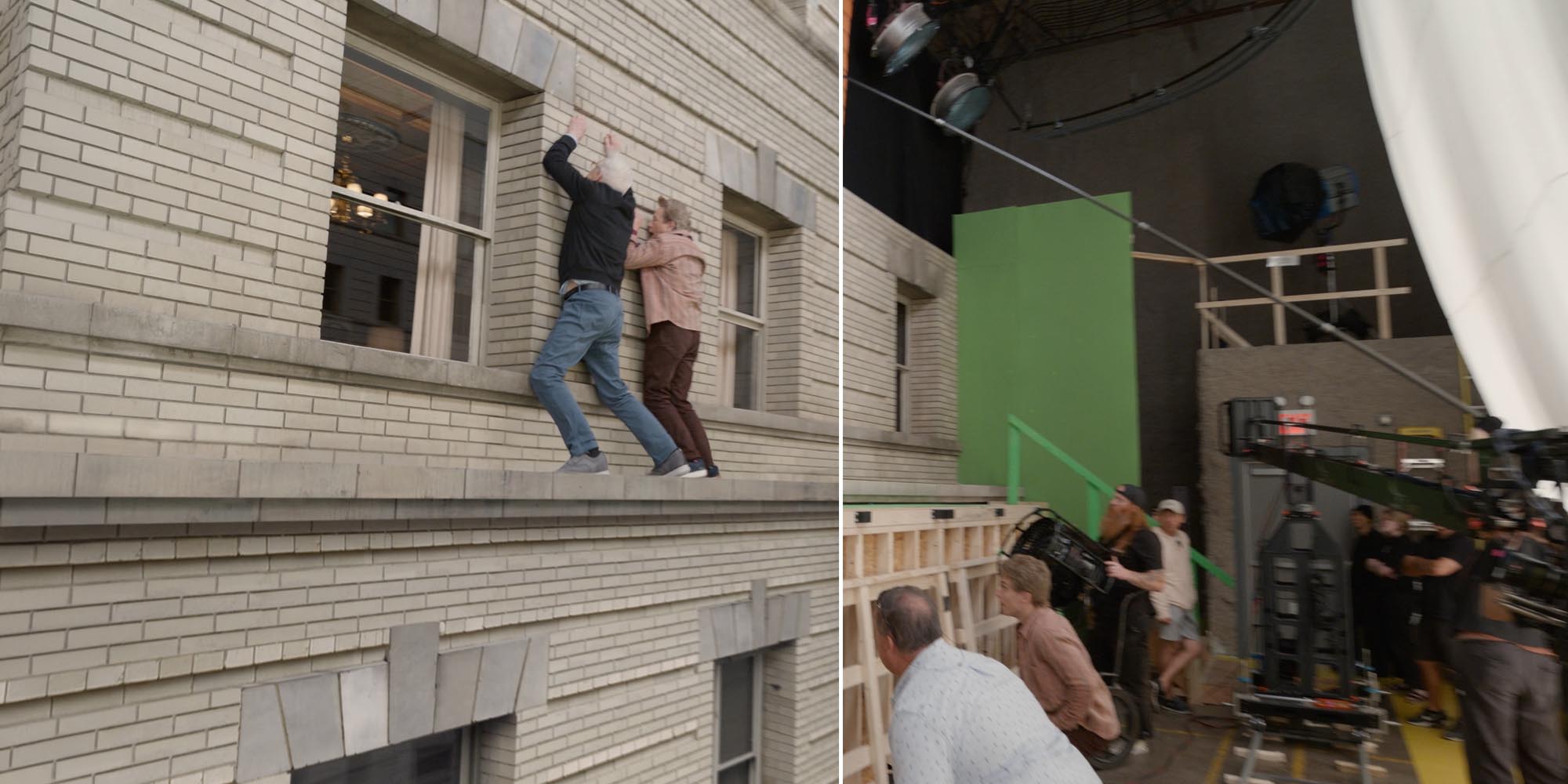
VFX companies are essentially data factories. They possess decades of historical information regarding schedules, shot complexity, and actual delivery times. Newell sees the future of efficiency in the application of machine learning to this existing data. By analyzing past performance, studios can improve their bidding accuracy, optimize crew planning, and make more informed decisions about which projects to accept.
"The visual effects pipeline is not a ‘bug’ to machine learning—it’s a feature," she says. By integrating these tools into the backend of production, Crafty Apes aims to make the creative process more predictable, allowing artists to spend less time on manual labor and more time on the artistry that computers cannot replicate.
The Human Element: Talent and Adaptability
Despite the focus on technology, Newell remains steadfast in her belief that the most important component of the studio is its people. In an era where software changes annually, she prioritizes "curiosity" and "adaptability" over rigid adherence to specific, legacy tools.
Newell observes that the industry is changing too quickly for candidates to rely solely on years of experience in a single, dying discipline. Instead, she looks for talent that demonstrates a willingness to learn and cross-pollinate skills. While internal development is a cornerstone of the Crafty Apes culture, she also emphasizes the necessity of bringing in outside talent to serve as a "creative stimulus," preventing the stagnation that often occurs when a studio becomes too insular.
Expanding Horizons: Beyond the Screen
Perhaps the most significant development in Newell’s vision for the future is the broadening definition of what Crafty Apes actually does. The company’s recent work on The Wizard of Oz for the Sphere in Las Vegas serves as a perfect case study for the application of traditional VFX expertise in non-traditional spaces.
Immersive entertainment, interactive museum installations, and high-tech theme park attractions—such as their current collaboration with Universal—represent a major pillar of the studio’s future growth. For Newell, this is not a side project; it is an expansion of the company’s identity.
"I think of Crafty as a content creation company, not just a visual effects house," Newell states. "If you need a visual created, we’re there to create it for you." This shift from being a "vendor" to being a "content creator" represents a fundamental pivot in the business model of modern visual effects. It suggests that the future of the industry is not just in film and episodic television, but in the creation of visual experiences wherever audiences gather.
Conclusion: A New Era for VFX
The insights shared by Alana Newell paint a picture of a leader who is as comfortable discussing the nuances of global incentives and international office culture as she is talking about the technical merits of a rendering engine. As the VFX industry faces a period of rapid consolidation and technological disruption, the approach taken by Crafty Apes—centered on operational resilience, data-driven strategy, and a broad definition of "content"—offers a compelling roadmap for the future.
The full fxpodcast episode provides an in-depth look at these topics, touching on the complexities of female leadership in a traditionally male-dominated industry and the macro-economic forces currently shaping global production. For those in the industry, it is a masterclass in how to lead a creative organization through the turbulent waters of the 21st-century entertainment landscape. By refusing to be defined by a single medium or a single way of working, Alana Newell is ensuring that Crafty Apes remains not just relevant, but essential, in a rapidly evolving world of digital content.