Folk Singer Ray LaMontagne Recovering After Onstage Collapse at Nashville’s Ryman Auditorium

Overview: A Concert Interrupted
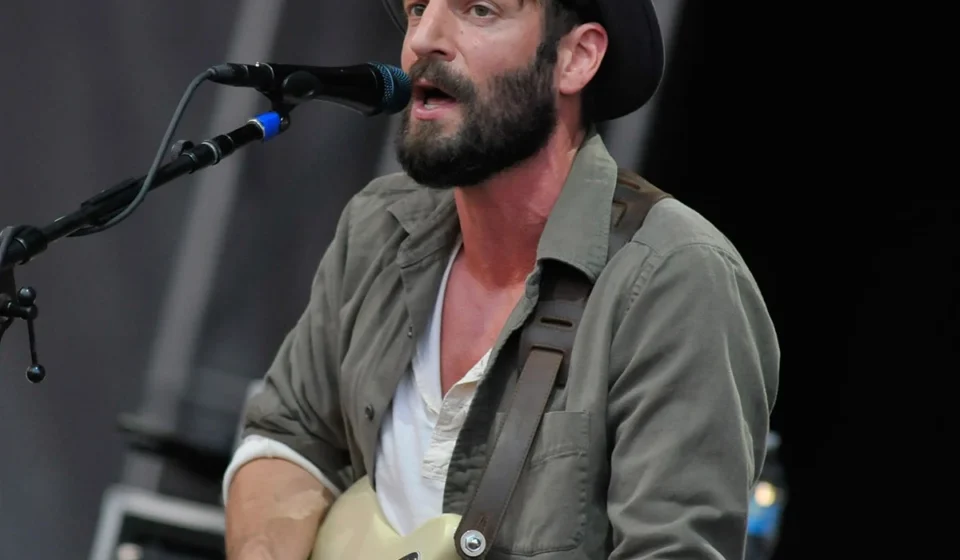
The world of folk music faced a collective moment of anxiety on the evening of September 5, when acclaimed singer-songwriter Ray LaMontagne collapsed while performing at the historic Ryman Auditorium in Nashville, Tennessee. The 53-year-old Grammy winner, currently in the midst of a high-profile tour celebrating the 20th anniversary of his breakout album Trouble, was in the final moments of his performance when he lost consciousness.
The incident occurred during the closing chords of his beloved 2004 ballad, "Jolene." Video footage captured by audience members and subsequently shared across social media platforms depicts a harrowing scene: LaMontagne, appearing visibly strained, emits a soft, audible grunt before keeling over onto the stage floor. The abruptness of the collapse triggered an immediate reaction from both his bandmates and the concert attendees, who watched in shock as medical personnel were summoned to the stage.
Following the event, representatives for the singer confirmed that LaMontagne was treated for "heat-related dehydration." As the music industry continues to grapple with the increasing physical demands of touring, this incident serves as a stark reminder of the environmental challenges artists face when performing in extreme climate conditions.
Chronology: A Performance Marked by Growing Distress
While the collapse occurred at the very end of the concert, reports from attendees suggest that the signs of physical distress were evident long before the final note was struck.
Witness accounts paint a picture of a performer who, throughout the evening, was struggling to maintain his composure against the backdrop of an exceptionally sweltering Nashville night. Andrea Curtis, an audience member who spoke with The Tennessean, noted that LaMontagne’s demeanor was noticeably agitated during the set. "I watched him repeatedly strike or press his hand against his head," Curtis observed, describing the gesture as an attempt to "regroup and collect himself."
The severity of the heat became a recurring theme for those in attendance. According to AccuWeather data, Nashville reached a blistering high of 101 degrees Fahrenheit on the day of the show. The Ryman Auditorium, while an iconic venue, is a historic structure where temperature control can be a significant challenge during extreme heat waves.
Before the climactic performance of "Jolene," LaMontagne had reportedly stepped off stage briefly. At the time, audience members assumed it was a standard, short-lived intermission for the artist to hydrate or reset. However, in retrospect, many now view that departure as an early indication that the artist was failing to recover from the heat’s effects.
"There was no hostility coming from the crowd," Curtis noted. "Nevertheless, I felt I was watching someone become increasingly overwhelmed in real time. The entire sequence of events looked less like one isolated moment at the end of the show and more like an artist who had been struggling and becoming increasingly overwhelmed throughout the performance."
Environmental Factors and Supporting Data
The collapse of Ray LaMontagne cannot be viewed in isolation; it is part of a broader conversation regarding the impact of climate change on live entertainment. The record-breaking heat wave that gripped Nashville on September 5 created a high-risk environment for anyone engaged in physical activity—let alone a performer expected to maintain high vocal output and stage presence for a duration of nearly two hours.
Heat-related illnesses, which range from heat exhaustion to the more severe heat stroke, occur when the body’s internal cooling mechanisms are overwhelmed. In a concert setting, these risks are compounded by stage lighting, which emits significant heat, and the physical exertion required to perform live music.
Data regarding Nashville’s climate trends in early September indicates that such extreme temperatures are becoming more frequent. For touring artists, this necessitates a reassessment of hydration protocols, cooling infrastructure, and perhaps even the scheduling of shows during the peak hours of a heat wave. LaMontagne’s experience highlights the vulnerability of performers who are often at the mercy of venue conditions that may not be equipped to handle the intensity of modern heat events.
Official Responses and Recovery Updates
The response from LaMontagne’s camp was swift and aimed at reassuring a concerned fan base. Shortly after the incident, a statement was posted to the singer’s official Instagram Story, providing a transparent update on his status.
"Ray is in good hands with the local EMS," the statement read. "He is doing well now and is grateful for everyone’s understanding."
The swift intervention by local medical professionals on-site at the Ryman Auditorium was credited with ensuring the singer received immediate care. The focus has since shifted to his recovery and the resumption of his tour. LaMontagne is currently traveling with the Canadian indie-folk band The Weather Station to commemorate the two-decade milestone of Trouble, a record that solidified his place as one of the most poignant voices in modern American folk.
Despite the frightening nature of the collapse, the artist’s team has signaled that his recovery is proceeding as expected. Fans have flooded social media with messages of support, prioritizing the artist’s health over the potential cancellation or postponement of subsequent tour dates.
The Broader Implications for the Touring Industry
The incident at the Ryman raises significant questions for the live music industry. As concert tours become more elaborate and the climate grows more volatile, the safety of performers has taken center stage.
1. The Physicality of Performance
Often, the public underestimates the physical toll of a multi-city tour. Between travel, lack of sleep, and the physiological demands of live performance, artists are already in a state of baseline fatigue. When external factors like 100-degree weather are introduced, the threshold for a medical emergency drops significantly.
2. Venue Responsibility and Safety Standards
There is growing pressure on venue operators to modernize climate control systems. While historic theaters like the Ryman carry immense sentimental and cultural value, they were designed in an era where modern HVAC systems were non-existent. Balancing the preservation of such structures with the necessity of providing a safe environment for performers is a challenge that venue managers will likely have to address more aggressively in the coming years.
3. Artist Wellness and Tour Management
The "show must go on" mentality, which has long been a hallmark of the music business, is being increasingly challenged by a modern emphasis on mental and physical health. High-profile artists like LaMontagne have a responsibility to their teams and their fans to prioritize health, and incidents like this are prompting tour managers to incorporate more rigorous health monitoring and climate-contingency planning into their riders.
Looking Forward: The Road Ahead
As of this writing, LaMontagne is scheduled to continue his tour, with a performance slated for Syracuse, N.Y., on September 8. Whether that show proceeds as planned remains subject to his final medical clearance.
For the legions of fans who have followed LaMontagne’s journey from the release of Trouble in 2004 to his current status as a folk icon, the event at the Ryman was a sobering moment of humanity. It served as a reminder that behind the poetic lyrics and the soulful, raspy vocals that have defined his career, the artist is susceptible to the same physical limitations as any other human being.
As the industry reflects on this incident, the hope remains that LaMontagne will make a full and speedy recovery. His career, defined by endurance and artistic integrity, will undoubtedly continue, but the Nashville collapse will likely serve as a cautionary tale—a reminder to prioritize well-being in an industry that too often demands the impossible from those on stage.
For now, the focus remains on the music and the man who makes it. Ray LaMontagne’s ability to move audiences remains undiminished, and his fans, in Nashville and beyond, are collectively holding their breath for his return to the stage—under safer, cooler conditions.