
In the rapidly evolving landscape of Indian genre cinema, few films manage to blend the sensibilities of high-octane martial arts choreography with the supernatural tropes of vampire lore as effectively—and as brutally—as Samjad’s latest offering, Half. Premiering to a captivated audience at the 2026 Toronto International Film Festival, this Malayalam-language oddity is a threadbare yet visceral road movie that operates as both a revenge thriller and a stylistic experiment. While it occasionally suffers from the repetitive nature of its own violence, it stands as a unique, grisly contribution to a cinematic landscape that is increasingly willing to break traditional molds.
Main Facts: A New Breed of Vigilante
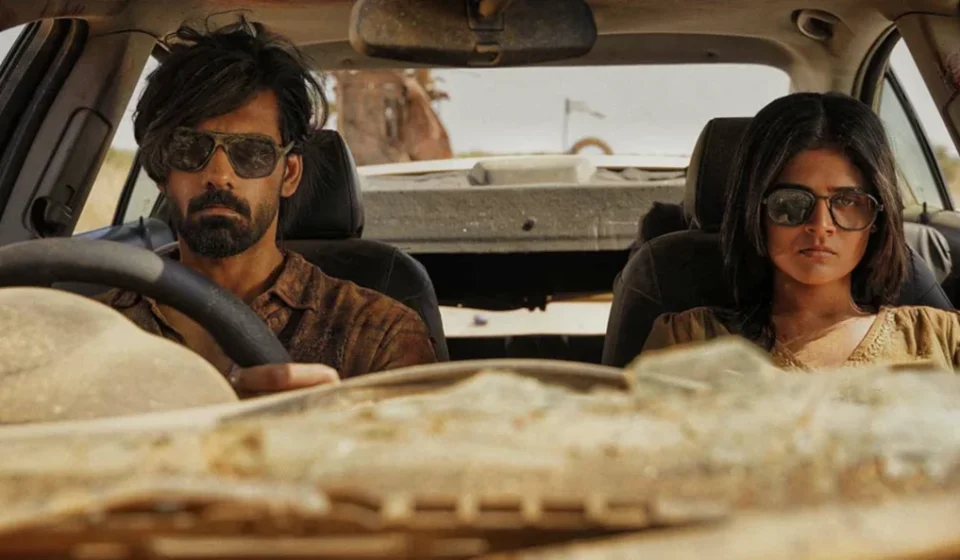
Half centers on the journey of Ethan and Ivy, an inseparable, invulnerable pair of vampire twins portrayed by Ranjith Sajeev and Aishwarya Raj. Unlike the gothic, cape-wearing aristocrats of Western literature, Ethan and Ivy are modern, sun-drenched anomalies. They navigate the dusty, unforgiving desert roadways of India in sleek cars, hiding their sharp incisors behind stylish shades.
The film’s narrative is a streamlined exercise in vengeance. After a prologue that establishes their bond and their mother’s final directive—a mandate to protect one another at all costs—the narrative jumps to their adult lives. They are not merely vampires; they are hybrids who possess a sensitivity to light but can endure the sun, a piece of lore the film intentionally leaves vague to prioritize atmosphere over exposition. Their peace is shattered when they are targeted by a gang of highway bandits—a ruthless outfit that specializes in trapping families, murdering them, and scavenging their vehicles. When the gang leaves the twins for dead after a savage assault, the film pivots from a road-trip drama into a blistering, blood-soaked mission of retribution.
Chronology of a Vengeance Saga
The narrative progression of Half is deceptively simple, relying on a "hunt-and-destroy" structure that pushes the characters from one set-piece to the next.
- The Prologue and Re-introduction: The film opens with a childhood scene emphasizing the twins’ inseparable bond, before cutting to a stylish, contemporary introduction of the adult Ethan and Ivy.
- The Catalyst: The inciting incident occurs on a desolate highway. The antagonists, a group of sadistic criminals, orchestrate a crash, totaling the twins’ vehicle and subjecting them to a harrowing, humiliating assault.
- The Response: Rather than succumbing to their injuries, the twins embark on a systematic liquidation of the gang members. This segment of the film serves as the primary engine for the action, spanning various rural landscapes.
- The Escalation: As the twins track the dozen perpetrators, the film utilizes the expertise of The Raid 2 fight choreographer Very Tri Yulisman to deliver increasingly complex and brutal combat sequences.
- The Climax: The final act forces the twins to confront the gang’s ability to adapt to their supernatural nature, leading to a high-stakes, violent resolution that leaves the landscape permanently scarred.
Supporting Data: The Craft of Gore
The technical achievements of Half are what elevate it from a standard B-movie to an object of curiosity. By employing Very Tri Yulisman, the production team ensured that the fight choreography would be world-class. The result is a series of sequences that prioritize "inventive mayhem"—from bare-hand scalpings to the creative use of environmental hazards.

The practical effects work in Half is particularly noteworthy. In an era dominated by CGI, the film’s reliance on tactile, messy, and grounded gore provides a visceral quality that is rare in contemporary Indian cinema. The fight scenes are described as "crisp" and "sweeping," often punctuated by sudden, almost surreal bursts of violence—including, on one occasion, professional wrestling-inspired maneuvers that catch the audience off guard. The sound design, too, is a character in itself, with Ivy’s headphones providing a rhythmic, propulsive soundtrack that dictates the tempo of the violence.
Implications: Socio-Political Undertones and Representation
Perhaps the most complex layer of Half is its engagement with India’s current socio-political climate regarding gender and violence. The film does not shy away from the darker aspects of human nature. The gang’s assault on Ivy, which includes a specific act of violation using an iron rod, serves as a grim reflection of real-world tragedies, such as the notorious Nirbhaya case.
By grounding the twins’ revenge in a reaction to this kind of systemic brutality, Samjad creates a "blood-boiling drama" that challenges the viewer. However, this also leads to one of the film’s primary criticisms: the tension between its thematic weight and its execution. There is a palpable friction in the way the film treats its female lead. While Ivy is a powerhouse, the narrative occasionally lapses into traditional tropes, sidelining her so that her brother can take the reins of the vengeance mission. Critics have noted that this undermines the very "righteous ass-kicking" the film aims to celebrate, suggesting that for all its stylistic progressiveness, the film still struggles to fully shed the weight of mainstream Indian action cinema’s inherent machismo.
Assessing the "Half" Experience: A Critical Perspective
Despite its flaws, Half maintains a grade of B-. It is a film that succeeds in its ambition to be a "one-of-a-kind, martial arts-inspired horror action road movie." The pacing is tight, with a 96-minute runtime that mostly keeps the action from stagnating, even when the plot beats become predictable.
The primary critique of the film remains its character development. Ethan and Ivy are undeniably dynamic when in motion, but they lack depth beyond the "broad strokes" of their trauma. As the film progresses, the repetitive nature of the fight sequences can induce a sense of tedium, suggesting that the film’s visual ingenuity might have been better served by a more robust script.

Nevertheless, as an experiment in genre, Half is a success. It pushes the boundaries of what is expected from a Malayalam action film and introduces a level of gore and practical effects that signals a potential shift in the region’s output.
Final Outlook and Distribution
As Half exits the festival circuit, it faces the hurdle of securing broader distribution. While it is currently seeking a U.S. partner, its unique blend of supernatural horror and martial arts grit makes it a difficult film to categorize—a trait that may prove to be its greatest strength in a crowded streaming market.
For audiences who enjoy the relentless, stylish, and unapologetic brutality of films like The Raid or John Wick, Half offers a fresh, albeit imperfect, perspective. It is a film that goes for the jugular, both literally and figuratively, and in doing so, cements its place as a notable entry in the global horror-action canon. Whether it succeeds in finding a mainstream audience remains to be seen, but its arrival is a clear sign that the Indian film industry is ready to embrace the darker, more experimental edges of genre cinema.
Summary of Key Technical Highlights
- Director: Samjad
- Starring: Ranjith Sajeev, Aishwarya Raj
- Fight Choreography: Very Tri Yulisman (The Raid 2)
- Genre: Vampire Western / Action
- Runtime: 96 Minutes
- Festival Debut: 2026 Toronto International Film Festival
- Rating: B-