The Alchemy of the Galaxy: John Knoll on the Evolving Visual Language of Star Wars

In the landscape of modern cinema, few names carry the weight of legacy quite like John Knoll. As an Oscar-winning visual effects supervisor at Industrial Light & Magic (ILM), Knoll has spent decades navigating the shifting tides of film technology. In a recent deep-dive podcast hosted by fxguide, Knoll sat down to discuss the craft behind the upcoming theatrical release, The Mandalorian and Grogu. More than just a technical breakdown of a blockbuster, the conversation serves as a masterclass in how to maintain the distinct visual soul of Star Wars nearly five decades after George Lucas first brought a galaxy far, far away to the silver screen.
The Continuity of Craft: A Career Spanning Eras
John Knoll’s career is uniquely intertwined with the history of ILM. He has been a constant in a rapidly changing industry, witnessing the franchise’s evolution from the tactile, optical, and miniature-heavy practical effects of the 1970s to the digital revolution of the 1990s, and into today’s era of virtual production and real-time rendering.
For many, these shifts represent disparate chapters in film history. However, for Knoll, they are merely different tools used to solve the same foundational problem: how to make the impossible feel grounded, physical, and emotionally resonant. Whether working on the original trilogy’s classic space battles or the high-tech volumes of the latest Star Wars expansion, Knoll views his work as a continuous lineage of creative problem-solving.
Maintaining the Aesthetic: The "Style Book" Concept
A central theme of the discussion is the curation of the Star Wars aesthetic. Audiences often look back at the original films through a lens of nostalgia, assuming the visual language was a rigid, cohesive system from the start. Knoll offers a different perspective: the "classic" Star Wars look was, in fact, quite fluid. Elements like the density of star fields, the specific refraction of a lightsaber, and the intensity of blaster bolts fluctuated from shot to shot.
As the franchise expanded, ILM found itself in the position of needing to formalize these inconsistencies into a recognizable visual identity. This did not result in a rigid rulebook that stifled creativity, but rather a "style book" of sorts—a set of guiding principles designed to protect the "feeling" of Star Wars while granting directors and supervisors the flexibility to innovate within those boundaries. This balance between honoring inherited memory and allowing for technological evolution is what defines the production philosophy of The Mandalorian and Grogu.
Technical Innovation: Hybridizing the Old and the New
Perhaps the most striking reveal in the discussion is the film’s innovative use of LED volumes. While virtual production has become synonymous with The Mandalorian, the team behind The Mandalorian and Grogu sought to push the medium further by revisiting the past.
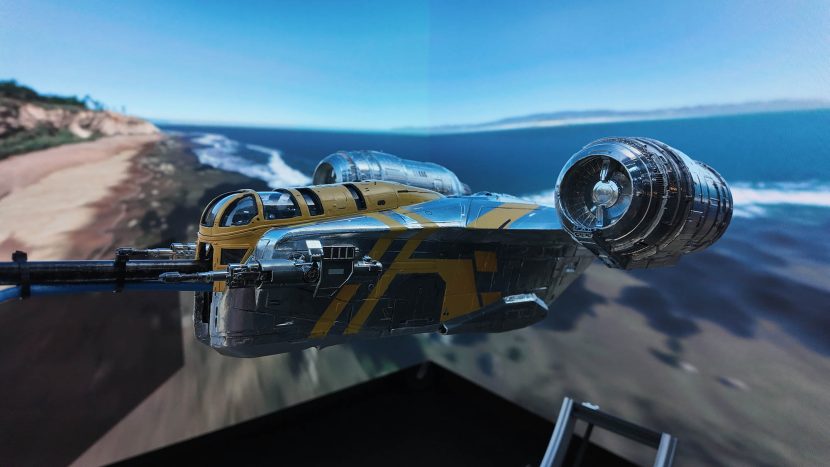
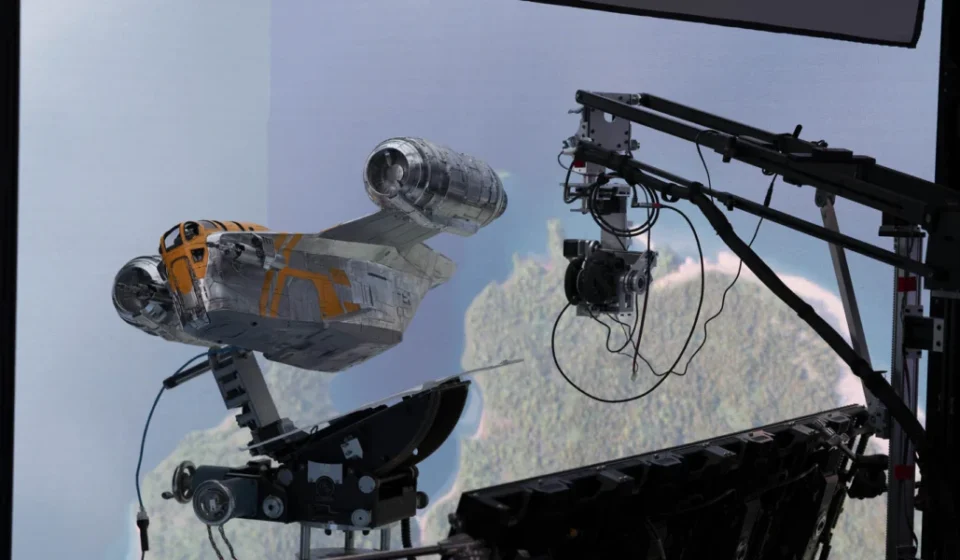
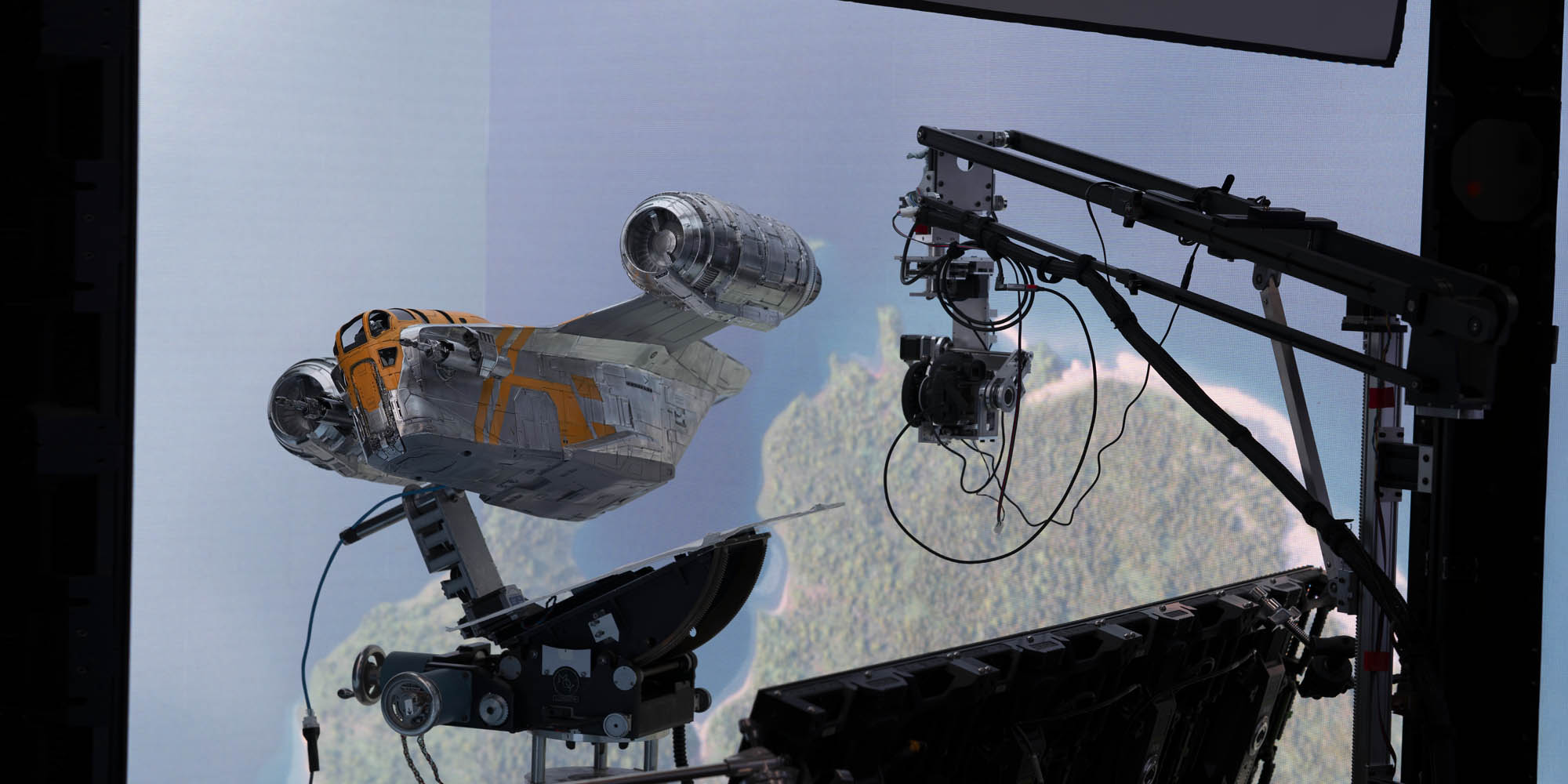
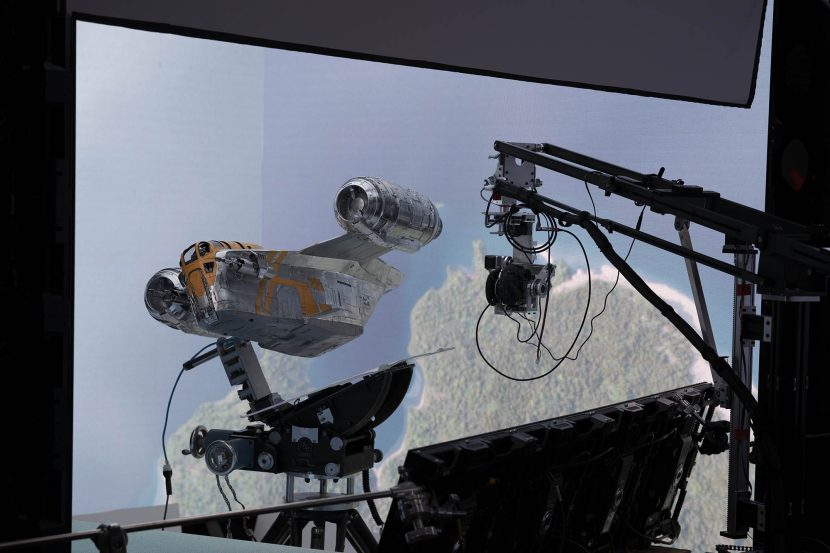
In a move that feels both nostalgic and cutting-edge, the team utilized a hybrid technique to shoot the Razor Crest. Rather than relying on pure CGI or traditional green-screen compositing, the production team constructed an eight-foot-tall LED volume specifically for a miniature model of the ship. By placing the miniature within this light-emitting environment, the model’s bare-metal surfaces were able to catch real, interactive reflections and lighting from the LED-projected surroundings.
This approach combined motion-control photography—the bread and butter of 1970s ILM—with modern LED illumination and advanced compositing. The result is a shot that feels authentically "photographed" rather than "rendered." Knoll notes that these decisions are not merely about aesthetics; they are about texture. The miniature shoot involved multiple complex passes—separating engine glow, running lights, and blue-screen elements—which allowed the compositors to maintain high fidelity. Knoll also addressed the inherent challenges of this method, such as edge aliasing and the visibility of the LED raster at miniature scales, emphasizing that the "invisible" work of solving these technical glitches is what ultimately grants a scene its weight and presence.
The Performance Paradox: Grogu and Character Design
The discussion also tackled the character of Grogu, whose global popularity relies on a delicate sense of physical presence. The production logic regarding the fan-favorite character shifted significantly during development. While digital tools were available to create an entirely CG version, the team leaned heavily into practical puppetry provided by Legacy Effects.
Knoll explained that the puppet offered a level of charm, "imperfection," and weight that a pure digital performance struggled to replicate. Consequently, when the script required CG shots for more complex movements, the animators at ILM were tasked with a unique challenge: they were not trying to build the most anatomically perfect version of Grogu, but rather one that matched the quirks, limitations, and tactile appeal of the physical puppet. This effort ensures that the digital performance feels like an extension of the physical one, preserving the audience’s emotional connection to the character.

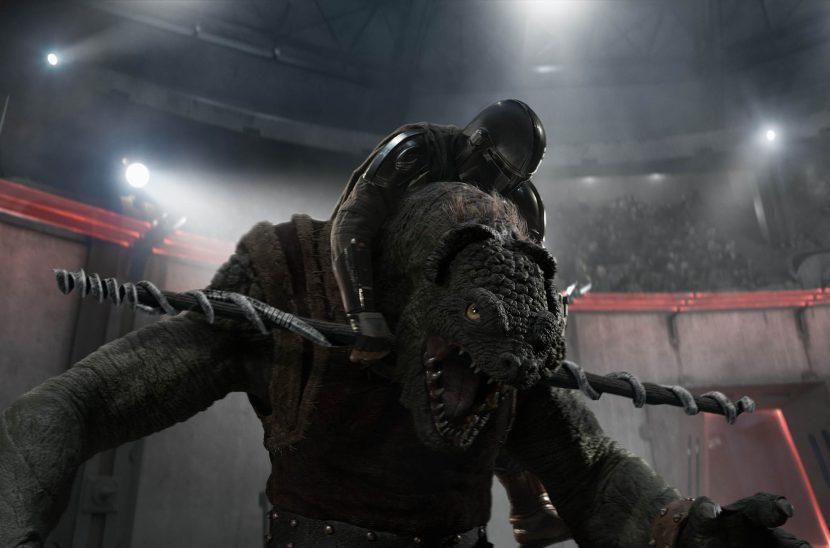
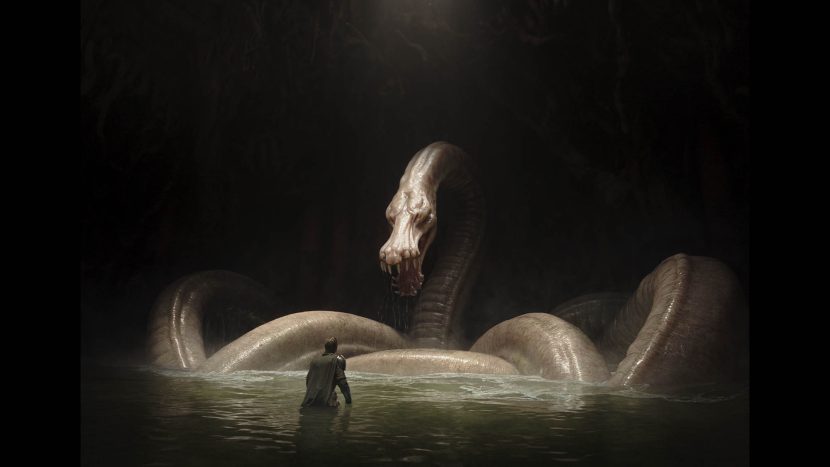
This philosophy of restraint and design extends to the film’s wider creature work. As the story moves into new territories, ILM has been tasked with creating alien species that can perform more complex actions—such as fighting or speaking—without breaking the established Star Wars immersion. The challenge, according to Knoll, is not technological, but one of "taste." At what point does a creature become too "digital" or too "humanoid" for the Star Wars universe? Maintaining that balance is an ongoing, collaborative effort that requires constant discipline.
Solving for Realism: Water and Environments
Visual effects remain a "stress test" when it comes to fluid dynamics, specifically water. In The Mandalorian and Grogu, the team faced sequences involving a mix of live-action performers, physical sets, and complex water simulations. The goal was to preserve as much real, photographed water as possible, only augmenting it with simulations where the character interaction demanded it.
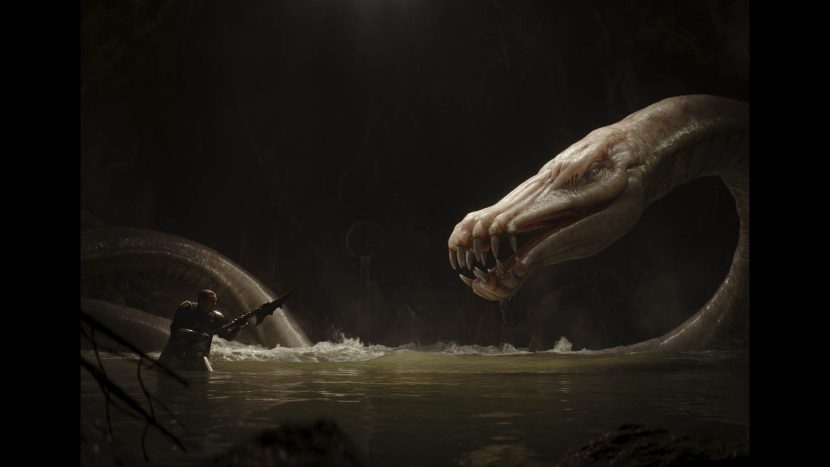
Water is notoriously difficult because it communicates so much to the viewer: depth, scale, reflection, and refraction. The integration of these elements, largely handled by ILM’s Vancouver team, is designed to be invisible. If the audience is thinking about the visual effects, the team has failed; if the audience is simply immersed in the scene, they have succeeded.
Similarly, the team utilized a tracked, distant LED wall for the Shakari Street environment. By combining a real-world location with digital extensions, the filmmakers were able to maintain a tactile, physical space for the actors to perform in, while the LED wall provided the necessary lighting and depth to ground the scene in its exotic locale.

The Philosophy of the Modern VFX Suite
As the interview concluded, Knoll summarized his long-held view on the discipline of visual effects. For him, VFX is not a "fix-it" solution or a shortcut for traditional filmmaking; it is a fundamental pillar of modern narrative art. Whether it is a physical puppet, an LED volume, or a complex water simulation, every tool is part of a singular filmmaking continuum.
The ultimate metric for success, in Knoll’s estimation, is not whether an image is "real" in a literal sense. It is whether that image serves the story, feels coherent within the established world of Star Wars, and conveys the necessary emotional weight.
Implications for the Future of the Franchise
The implications of Knoll’s approach are significant for the future of the Star Wars brand. As the franchise looks toward its next half-century, the reliance on this "hybrid" methodology—blending the lessons of the past with the innovations of the future—appears to be the key to longevity. By prioritizing the feel of the universe over the mere capability of the technology, ILM is ensuring that Star Wars remains, at its heart, a tactile, lived-in world.
For filmmakers and VFX artists alike, the message from Knoll is clear: technology is a powerful servant but a poor master. By staying grounded in the physical reality of miniatures and puppets while pushing the boundaries of what virtual production can achieve, the team behind The Mandalorian and Grogu is not just making a movie—they are continuing a tradition of cinema that prizes craft above all else.