Bridging the Impossible: How DNEG Crafted the Technical Spectacle of Citadel Season 2

The second season of Amazon’s high-stakes spy thriller Citadel has set a new benchmark for visual effects in episodic television. By blending hyper-realistic "invisible" effects with expansive digital world-building, the visual effects house DNEG has elevated the series from a standard action drama to a technically sophisticated cinematic experience.
In a recent deep-dive discussion, DNEG VFX Supervisor Daniel Baldwin revealed the complex interplay between practical on-set data capture and high-end simulation work that defined the season’s most challenging sequences. From the haunting imagery of a man engulfed in flames to the cold, orbital destruction of satellite networks, the team’s approach was defined by a commitment to grounding digital spectacle in physical reality.
The Foundation: Collaboration and Data Acquisition
The success of Citadel Season 2 was not a product of post-production magic alone; it was rooted in a meticulous pre-production strategy. Building on the foundation established in the first season, DNEG worked closely with Production Supervisor Wesley Froud to ensure that every frame captured on set provided the necessary data for downstream VFX.
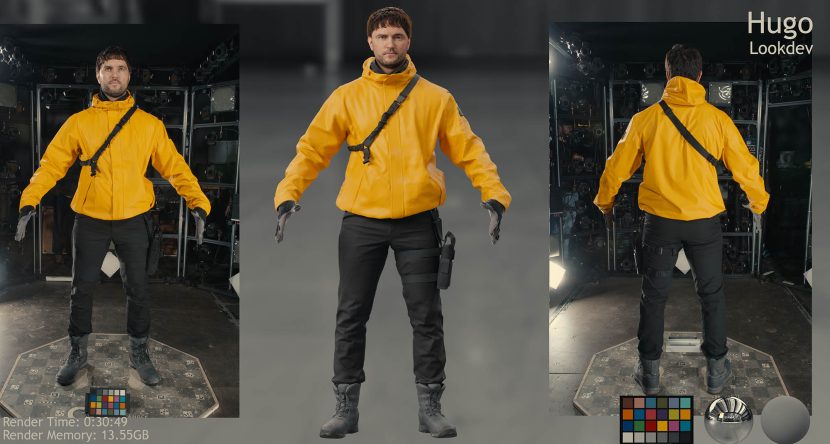
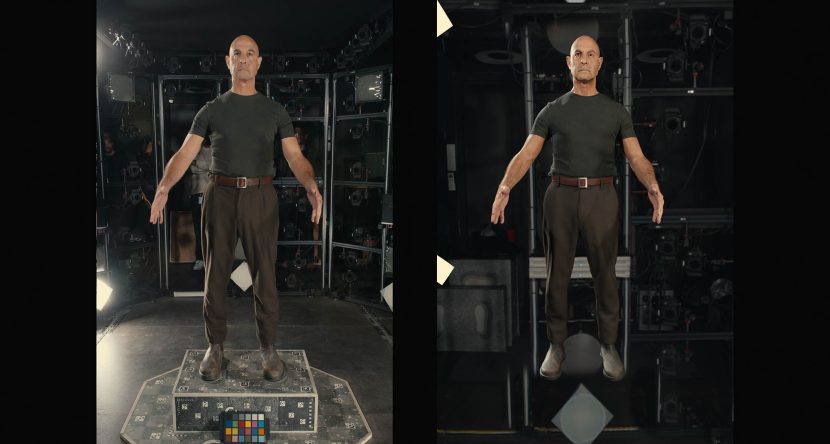
Baldwin emphasizes that the relationship between production and VFX was highly collaborative. "Wes is very collaborative and always encourages technical and creative input," Baldwin notes. This synergy meant that the VFX team was present for crucial data acquisition phases, including LiDAR scanning of environments, digital scanning of actors for high-fidelity digital doubles, and the recording of high-dynamic-range imagery (HDRI) for lighting reference. By involving the DNEG team early, the production could tailor its shooting schedule to capture "controlled real-world references," a move that would prove vital for the show’s complex pyrotechnic and physics-based simulations.
Chronology of Execution: From Fire to Orbit
The technical demands of Citadel followed a rigorous path, starting with character-focused intimate effects and moving toward large-scale, world-altering sequences.
The Anatomy of Fire
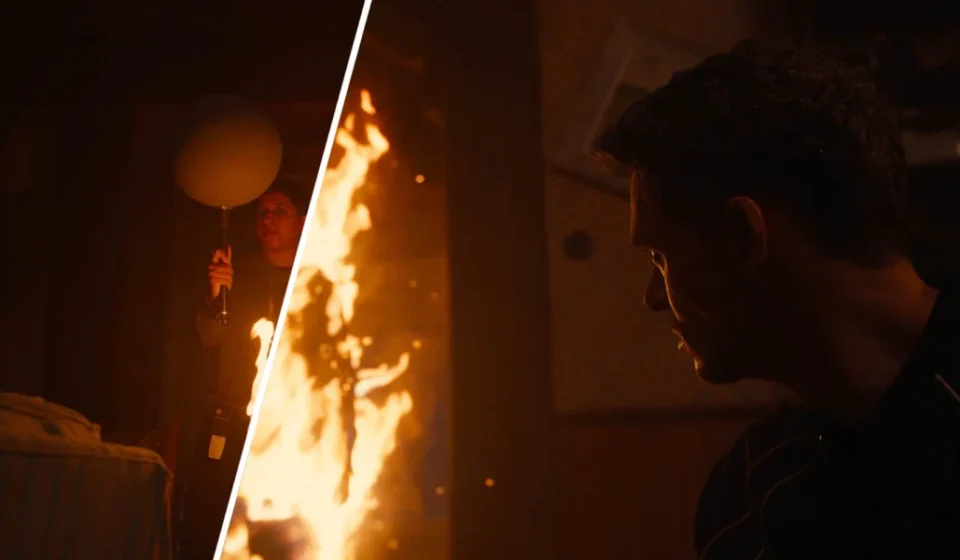
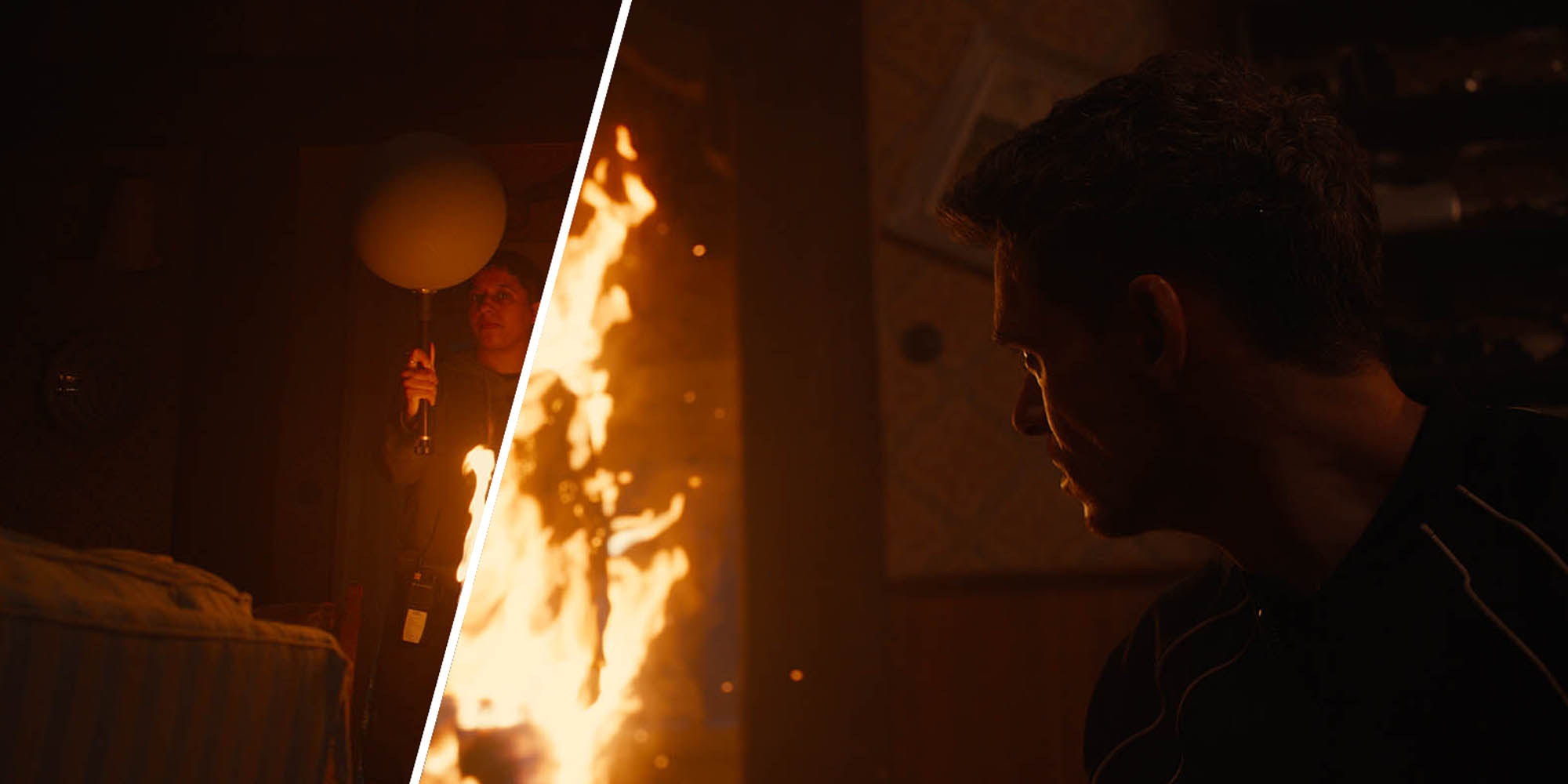
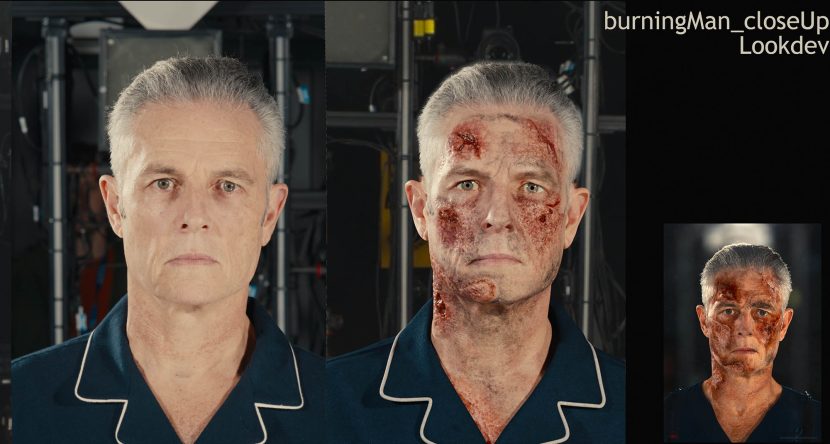
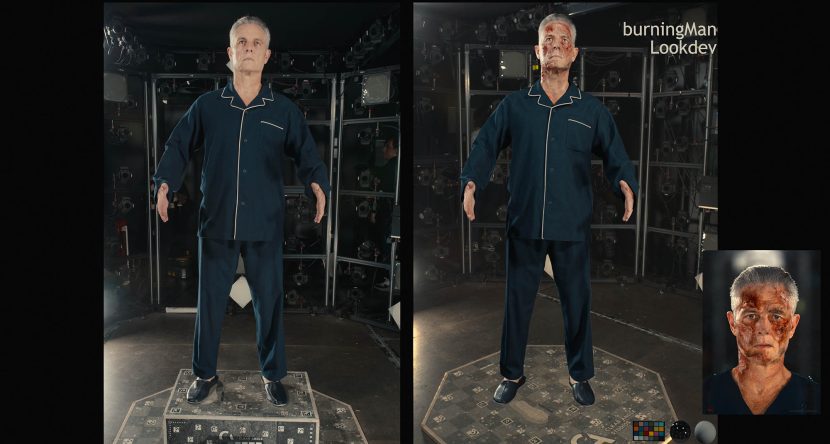
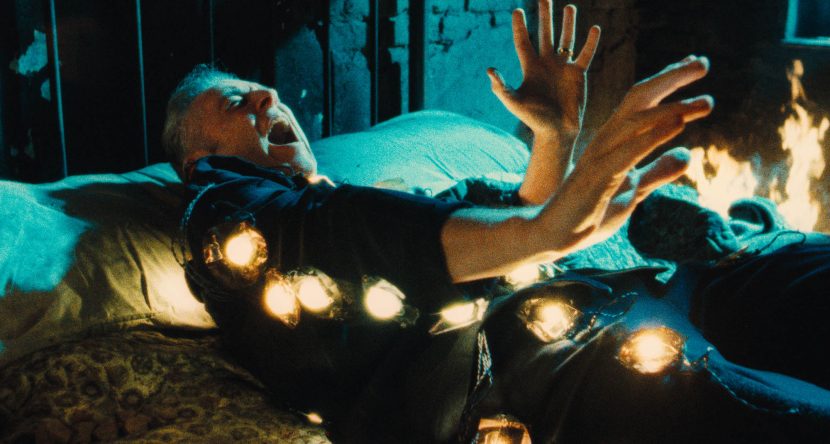
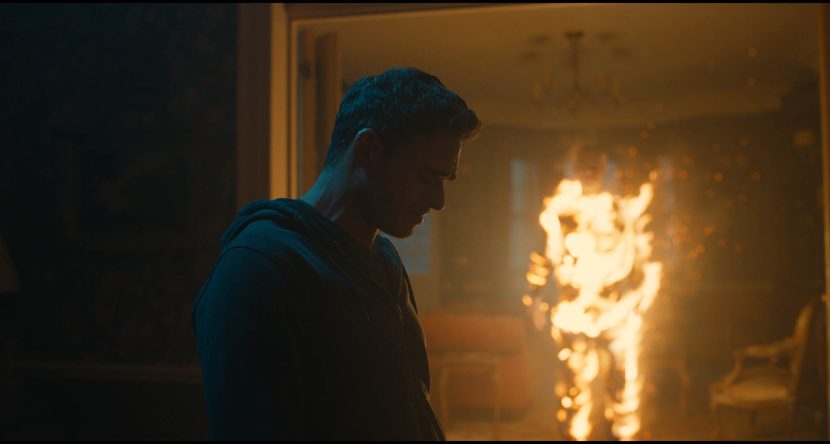
Perhaps the most sensitive technical challenge was the sequence featuring Mason’s father, who is depicted engulfed in flames. The mandate was clear: preserve the emotional integrity of the actor’s performance while achieving a terrifying, photorealistic effect.
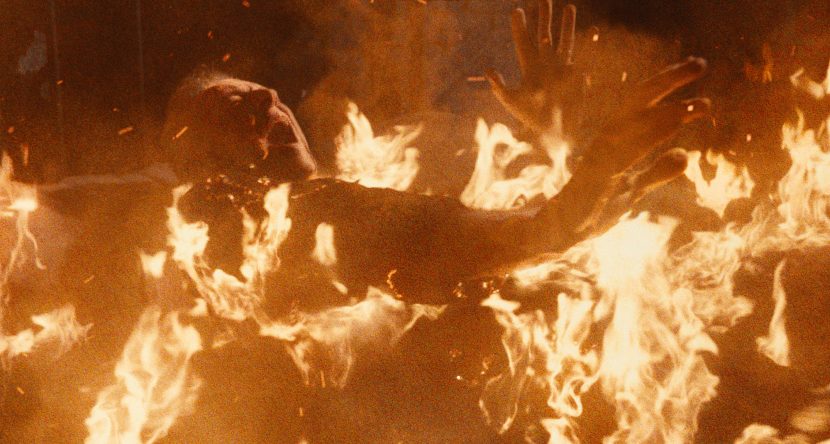
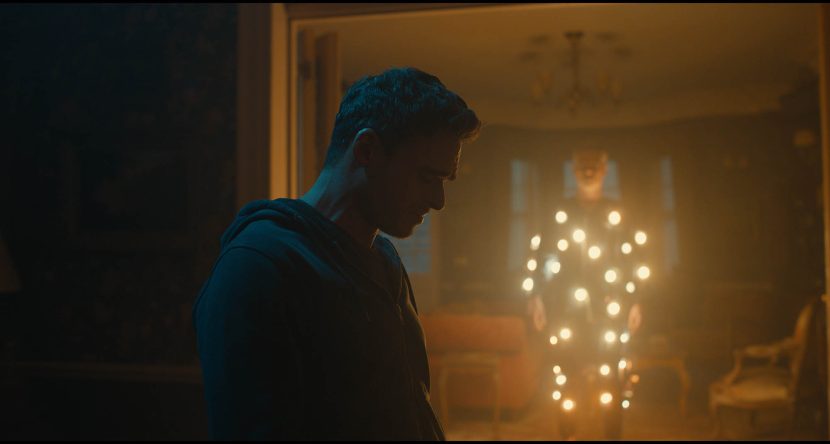
DNEG’s process was empirical. They analyzed historical film references of stunt performers and conducted their own practical tests, setting fire to mannequins dressed in the character’s specific costume to observe how the fabric charred, how smoke behaved, and how embers migrated. This physical research informed the creation of an LED suit worn by the actor on set, which provided accurate interactive light on his skin and the surrounding environment.
Rather than opting for a full digital head replacement—which often risks an "uncanny valley" effect—the team chose to augment the actor’s performance with additive digital effects. Using tracked digital projections, they added singeing and scarring that followed the actor’s expressions, ensuring that the emotional core of the scene remained untouched.
The 80-Second Continuous Take
The series also features an ambitious 80-second continuous shot, a technical feat that required stitching together a drone capture and a Steadicam sequence. While the on-set goal was to align the cameras perfectly, the natural light changes and slight positioning discrepancies between takes necessitated a sophisticated 3D solution.
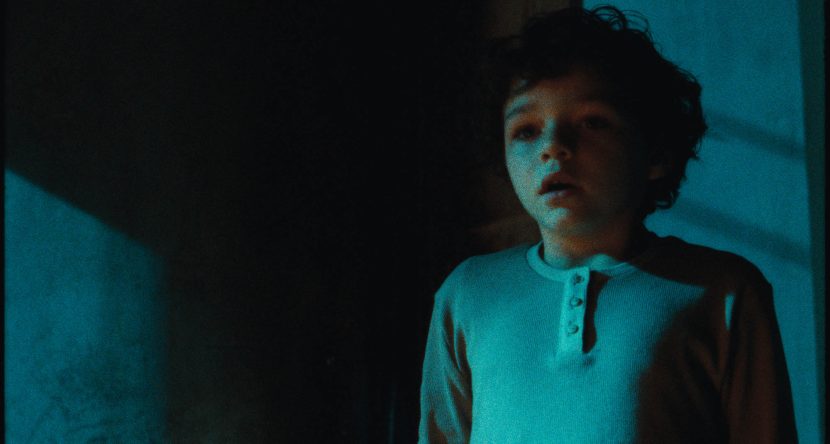
DNEG utilized a full CG reconstruction of the environment and the actor to facilitate the transition. "We tracked both cameras, rebuilt the environment in CG and scanned and built a CG replica of the actor," Baldwin explains. By reprojecting the first plate onto the second and using a door frame as a natural "wipe," the team created a seamless transition that hides the digital stitch, preserving the kinetic energy of the shot without distracting the audience.

Orbital Destruction
At the opposite end of the scale is the season’s finale, which moves the action into the vacuum of space. DNEG utilized its proprietary Earth-generation software to create a base for the sequence, but the creative challenge lay in the physics of destruction.
"There is no atmosphere in space, so you wouldn’t really see any fire from satellites exploding," Baldwin acknowledges. However, to maintain narrative clarity, the team chose to favor cinematic storytelling over rigid scientific accuracy, justifying the visible fire as internal fuel combustion. By ensuring the debris followed consistent, zero-gravity velocity paths until caught by Earth’s gravity, they maintained a sense of scale and physical weight that elevated the sequence above generic sci-fi tropes.
Supporting Data and Technical Methodology
Throughout the season, DNEG relied on a diverse pipeline of tools and techniques to maintain photorealism:
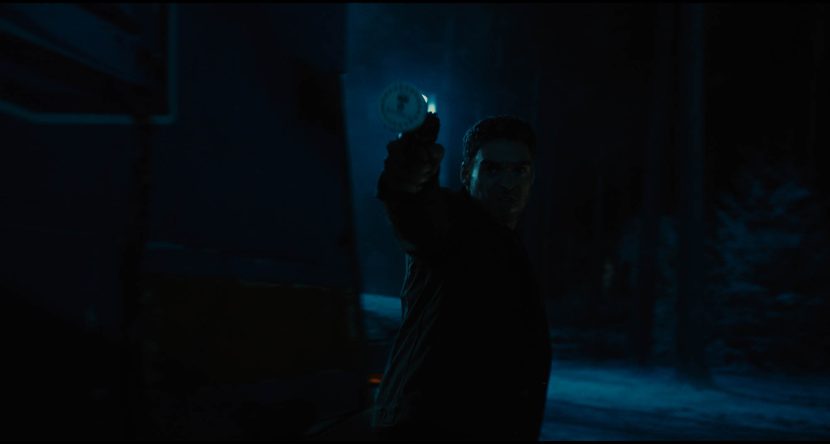
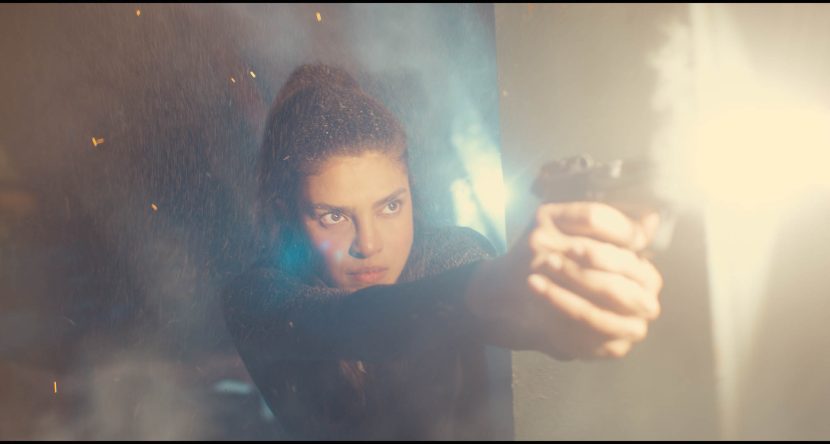
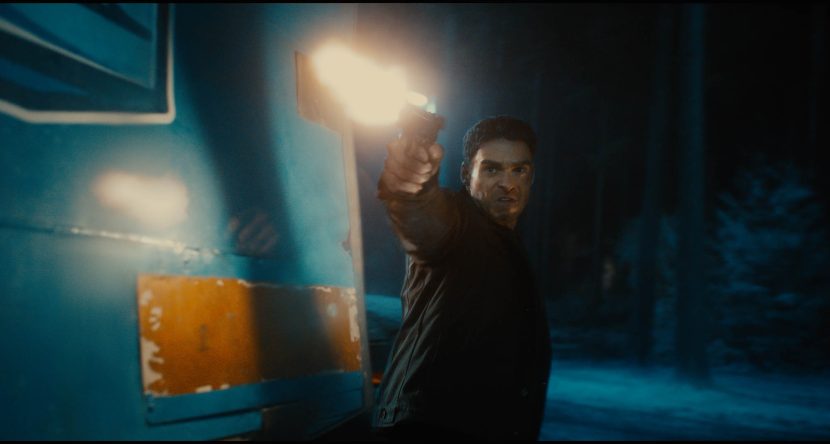
- Hybrid FX Pipeline: While DNEG maintains an extensive library of 2D elements for muzzle flashes and bullet hits, the team pivoted to procedural Houdini simulations whenever the camera movement was too complex for 2D overlays. This allowed for accurate interactive lighting even in dynamic action scenes.
- Vehicle Simulation: For the high-speed car crash sequence, no stunt work was actually performed. The team used crash test footage from automotive manufacturers to study how metal deforms and glass shatters. This data was used to drive CG rigs, ensuring that the physics—suspension travel, weight distribution, and momentum—felt visceral and authentic.
- Digital Blood: The team avoided a "one-size-fits-all" approach to blood effects. Every shot was handled individually based on the proximity to the camera and the narrative importance of the character. This bespoke attention prevented the "video game" aesthetic that often plagues lesser VFX work.
Official Perspectives: The Value of Time
A recurring theme in Baldwin’s reflection is the importance of scheduling. In an industry where episodic television is often squeezed by aggressive delivery timelines, the Citadel team was granted the necessary space to refine their work.
"The VFX process on this show never felt restricted by episodic schedule constraints," Baldwin notes. The collaboration between the VFX supervisors and producers Lisa Kelly and Wesley Froud ensured that the team could iterate on simulations until they were perfect. This culture of "doing things the right way" was fundamental to the show’s polished aesthetic.
Implications for the Industry
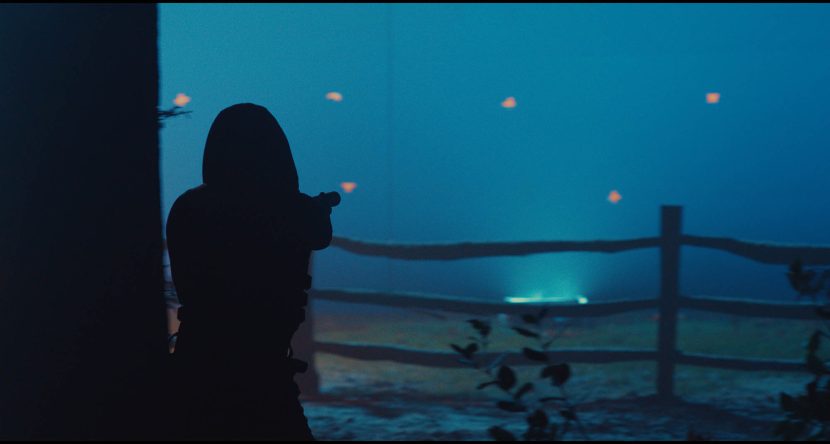
The success of Citadel Season 2 highlights a shift in how television visual effects are conceived. As audiences become increasingly sophisticated, the "invisible" work—the kind that goes unnoticed because it feels entirely organic—is becoming the true gold standard.
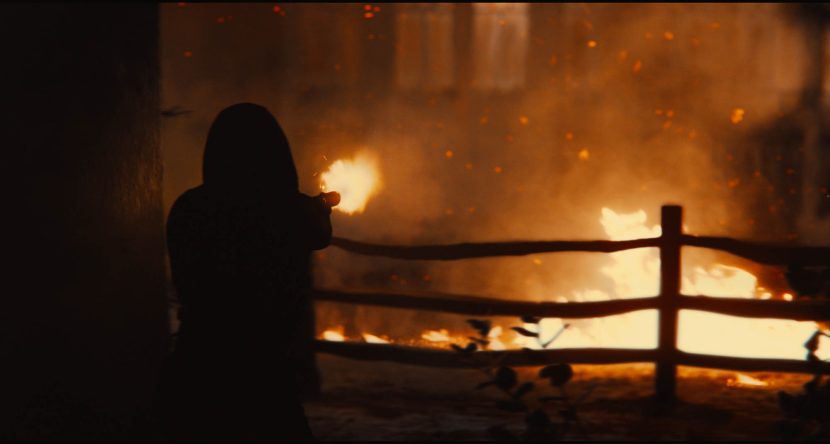
By prioritizing high-fidelity physical reference, integrating VFX into the earliest stages of production, and refusing to compromise on simulation quality, DNEG has demonstrated that even the most massive, complex sequences can feel grounded. For future productions, the Citadel model suggests that the future of VFX lies not in more digital assets, but in more thoughtful, data-driven integration of the physical and the virtual. As Baldwin concludes, the goal remains the same as it has always been: to create imagery that is "technically difficult, creatively elegant, and invisible to the audience."