The Digital Intimacy of the Zillennial Blues: A Deep Dive into Urša Menart’s ‘Everything That’s Wrong With You’

The landscape of modern cinema is increasingly defined by its ability to capture the specific, often suffocating, anxieties of the "Zillennial" generation—those caught in the liminal space between the analog childhood of Millennials and the fully digital upbringing of Gen Z. At the forefront of this movement in Eastern Europe is Slovenian writer-director Urša Menart. Her sophomore feature, Everything That’s Wrong With You (Vse, kar je narobe s tabo), which recently made waves in the Sarajevo Film Festival competition, serves as a poignant, "sweet-and-sour" exploration of how virtual connections translate into the messy, uncurated reality of physical existence.
Main Facts: A New Voice in Contemporary Slovenian Cinema
Urša Menart first garnered international attention with her 2018 debut, My Last Year as a Loser, a film that resonated with audiences for its authentic portrayal of economic and social stagnation among young adults in Ljubljana. With Everything That’s Wrong With You, Menart expands her thematic scope, moving from the localized struggles of employment and housing to the universal, yet deeply private, world of digital parasocial relationships and the loneliness epidemic.
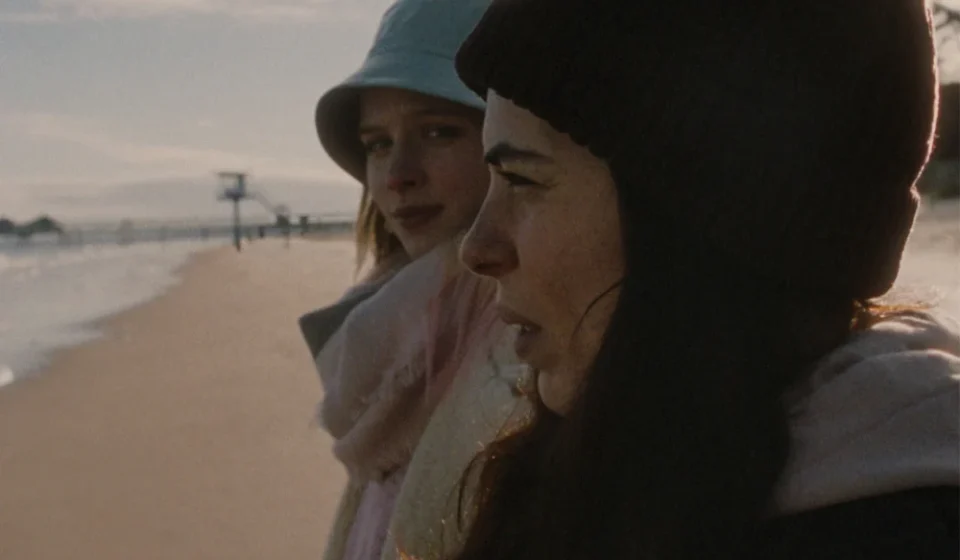
The film stars Anuša Kodelja as Maruša and Klara Kuk as Alja, two women whose lives intersect through the filtered lens of social media before colliding in a desaturated German coastal town. Produced amidst a growing wave of Slovenian "new-gen" cinema, the film has been compared to indie staples like Greta Gerwig’s Frances Ha, though it carries a distinctively European melancholia. It navigates the "slippery set of rules" that govern online interactions, questioning whether the intimacy found in a direct message (DM) can survive the weight of real-world trauma and domestic friction.
Chronology: From Digital Solace to Physical Friction
The narrative arc of Everything That’s Wrong With You is a journey of displacement, both emotional and geographic. The story unfolds in several distinct phases that mirror the protagonist’s attempts to outrun her grief.
Phase I: The Catalyst of Loss
The film opens in the immediate, suffocating aftermath of death. Maruša, a cynical brunette with a "Daria-esque" deadpan delivery, is mourning her mother, who has recently succumbed to cancer. Left with her mother’s debts, an apartment in Ljubljana that needs emptying, and a longhaired dachshund she didn’t ask for, Maruša is untethered. Her attempts to reconnect with her estranged, cranky father in the Slovenian countryside only reinforce her isolation. In this vacuum of grief, she turns to her phone—the modern era’s primary tool for escapism.
Phase II: The Parasocial Bridge
Maruša finds an unlikely anchor in Alja, a "cute-core" blonde influencer who broadcasts her mental health struggles to a modest but devoted following. Alja’s content is "bubbly-bleak"—a curated mix of aesthetic vulnerability and genuine distress. When Maruša slides into Alja’s DMs, a digital bond is forged. They text incessantly, sharing the kind of profound secrets often reserved for strangers behind a screen. For Maruša, Alja represents a life she doesn’t have; for Alja, Maruša is the ultimate validation of her online persona.
Phase III: The Impulsive Migration
Rather than returning to her former life in Berlin—a city she describes as being filled with "liars and cheats"—Maruša makes a radical decision. With her inherited dog in tow, she takes a bus to a remote German beach town. The reveal of her destination coincides with her unannounced arrival at Alja’s doorstep. This moment marks the film’s shift from a digital character study to a "precarious IRL" drama. Maruša’s blasé attitude toward imposing herself on a virtual stranger sets the stage for a high-stakes social experiment.
Phase IV: The Honeymoon and the Fallout
Initially, the gamble pays off. The two women find a rhythmic camaraderie in the offseason quiet of the coast. They bond over bundled-up walks and nights spent joking about "putting their brains in bleach." However, as Maruša’s stay extends indefinitely, the "black-pink yin-and-yang" of their personalities begins to fray. The film culminates in a fallout that is as much about the exhaustion of caretaking as it is about the realization that their online versions were mere sketches of their complicated, dysfunctional selves.
Supporting Data: The Technical and Aesthetic Framework
The emotional resonance of Everything That’s Wrong With You is heavily supported by its technical execution and the chemistry of its leads.
Visual Language
Cinematographer Roy Van Egmond utilizes a palette of desaturated pearl-blue tones to capture the German coast in winter. This "handsomely melancholic" setting serves as a visual metaphor for the characters’ internal states—beautiful but cold, vast but empty. The choice of an offseason coastal town emphasizes the isolation of the two women; they are essentially the only people in their own world, which heightens the intensity of their burgeoning codependency.
Character Dynamics and Performance
The film is a "delicate two-hander" that relies almost entirely on the performances of Anuša Kodelja and Klara Kuk.
- Anuša Kodelja (Maruša): Kodelja brings a "grungy cynic" energy to the role, balancing a "no-fucks-given" exterior with the raw vulnerability of someone who has spent years caretaking a dying parent.
- Klara Kuk (Alja): Kuk portrays the "snuggie-wearing neurotic" with nuance, showing the cracks in the influencer facade. Her character’s job at an elder care facility provides a grounded contrast to her "cute-core" online presence, suggesting a life spent looking after others while being unable to care for herself.
The "Zillennial" Aesthetic
Menart accurately captures the linguistic and social tics of the Zillennial generation. The dialogue—filled with references to lobotomies and self-deprecation—reflects a specific type of modern nihilism used as a defense mechanism against genuine despair. The film’s "pink-puffer-clad dachshund" serves as a recurring motif of the burdens we inherit and the aesthetic ways we try to mask them.
Official Responses: Critical Reception and Festival Impact
Since its premiere at the Sarajevo Film Festival, Everything That’s Wrong With You has been praised for its refusal to dismiss social media as merely "fake." Critics have noted that Menart treats the virtual bond with respect, acknowledging its "potential power" while remaining clear-eyed about its limitations.
- Variety Insight: Industry analysts have pointed out that the film’s "naturalistic charm" and "winsome performers" give it a "punch" that allows it to transcend its regional Slovenian context. It is viewed as a strong contender for international distribution in the indie circuit.
- Festival Circuit: In Sarajevo, the film was highlighted for its "luminous" quality, with jurors praising Menart’s ability to find humor in "dark and deeply sad revelations." The film’s irreverent sense of humor has been cited as its strongest asset, preventing the story from descending into pure melodrama.
Implications: The Reality of the Virtual Age
The broader implications of Everything That’s Wrong With You extend into the sociological realm, offering a critique of how we form attachments in the 21st century.
The Myth of the "Clean Slate"
Maruša’s flight to Germany is a classic attempt at a "geographic cure"—the idea that moving to a new place will solve internal problems. However, the film suggests that in the digital age, we carry our baggage with us in our pockets. The "slippery rules" of the internet allow us to present a version of ourselves that is untethered from our history, but physical proximity eventually demands a reckoning with the "flesh-and-bones" reality of dysfunction.
The Caretaker Cycle
A significant theme is the cycle of caretaking. Maruša, having just finished tending to her mother, finds herself in a situation where she must play caretaker to Alja. Conversely, Alja, who cares for the elderly professionally, is desperate for someone to host and care for her emotionally. This "camaraderie veering into codependency" highlights a generational crisis of care, where young people are often overwhelmed by the emotional needs of their peers because traditional support systems have failed them.
Slovenian Cinema on the Global Stage
Finally, the film signifies a maturing of Slovenian cinema. By moving away from purely nationalistic or historical themes and engaging with contemporary, globalized issues like influencer culture and digital loneliness, Menart is positioning Slovenian film as a vital part of the European cultural conversation. Everything That’s Wrong With You is not just a Slovenian story; it is a story for anyone who has ever felt more at home in a stranger’s DMs than in their own living room.
In conclusion, Urša Menart’s latest work is a masterclass in modern character study. It captures the "growing pains of flesh-and-bones relationships" with a sharp eye and a sympathetic heart, proving that while our online personae may be manipulated, the loneliness that drives us to create them is as real as it gets.