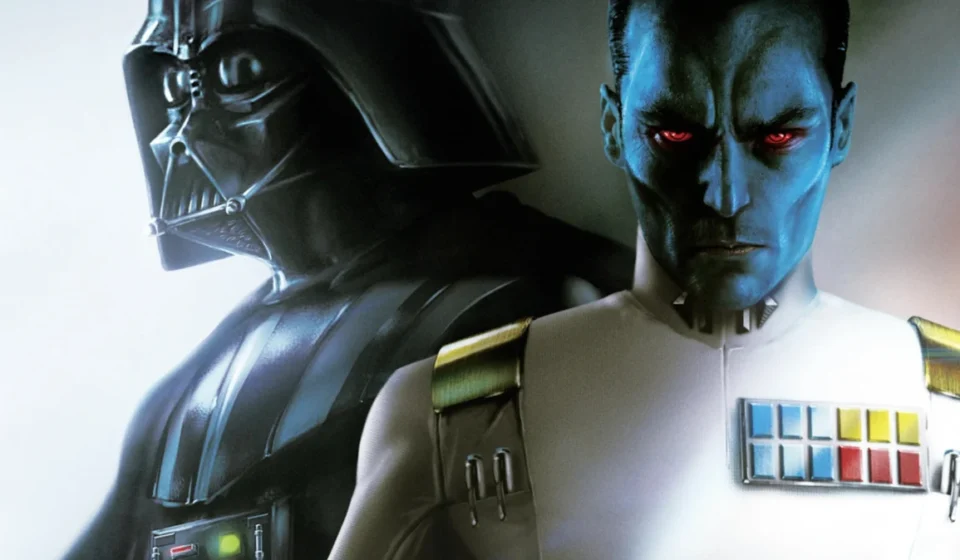

For nearly half a century, the Star Wars galaxy has served as the definitive sandbox for epic storytelling. From the humble beginnings of George Lucas’ 1977 masterpiece to the sprawling, interconnected web of live-action series and animated epics that define the Disney era, the franchise has proven that its capacity for growth is limitless. However, as the studio looks toward a future beyond the traditional Skywalker timeline, the most compelling roadmaps for new adventures may not be found in secret pitch meetings, but on the shelves of bookstores.
For decades, the "Expanded Universe"—and its successor, the current canon—has acted as a narrative crucible, producing stories that are often more nuanced, emotionally complex, and daring than the mainstream theatrical releases. With Lucasfilm currently recalibrating its cinematic strategy, the time has come to tap into the reservoir of literature that has sustained the fandom for generations.
The Narrative Legacy: A Chronological Overview of Expanded Lore
The relationship between Star Wars literature and the screen has always been symbiotic. Timothy Zahn’s 1991 novel, Heir to the Empire, essentially revitalized the franchise during a period of relative dormancy, introducing Grand Admiral Thrawn and establishing a template for "sequel" storytelling that resonated with fans for thirty years.
While Disney’s 2014 decision to designate the older Expanded Universe as "Legends" was a necessary logistical reset to clear the deck for a new cinematic era, it did not diminish the quality of those stories. In fact, characters like Thrawn have already been successfully reintroduced into the modern canon through Star Wars Rebels and Ahsoka. This transition proves that the barrier between "Legends" and "Canon" is permeable. By leveraging these established, beloved narratives, Lucasfilm could mitigate the risks of creating entirely new IP while satisfying the deep-seated cravings of the core fanbase.
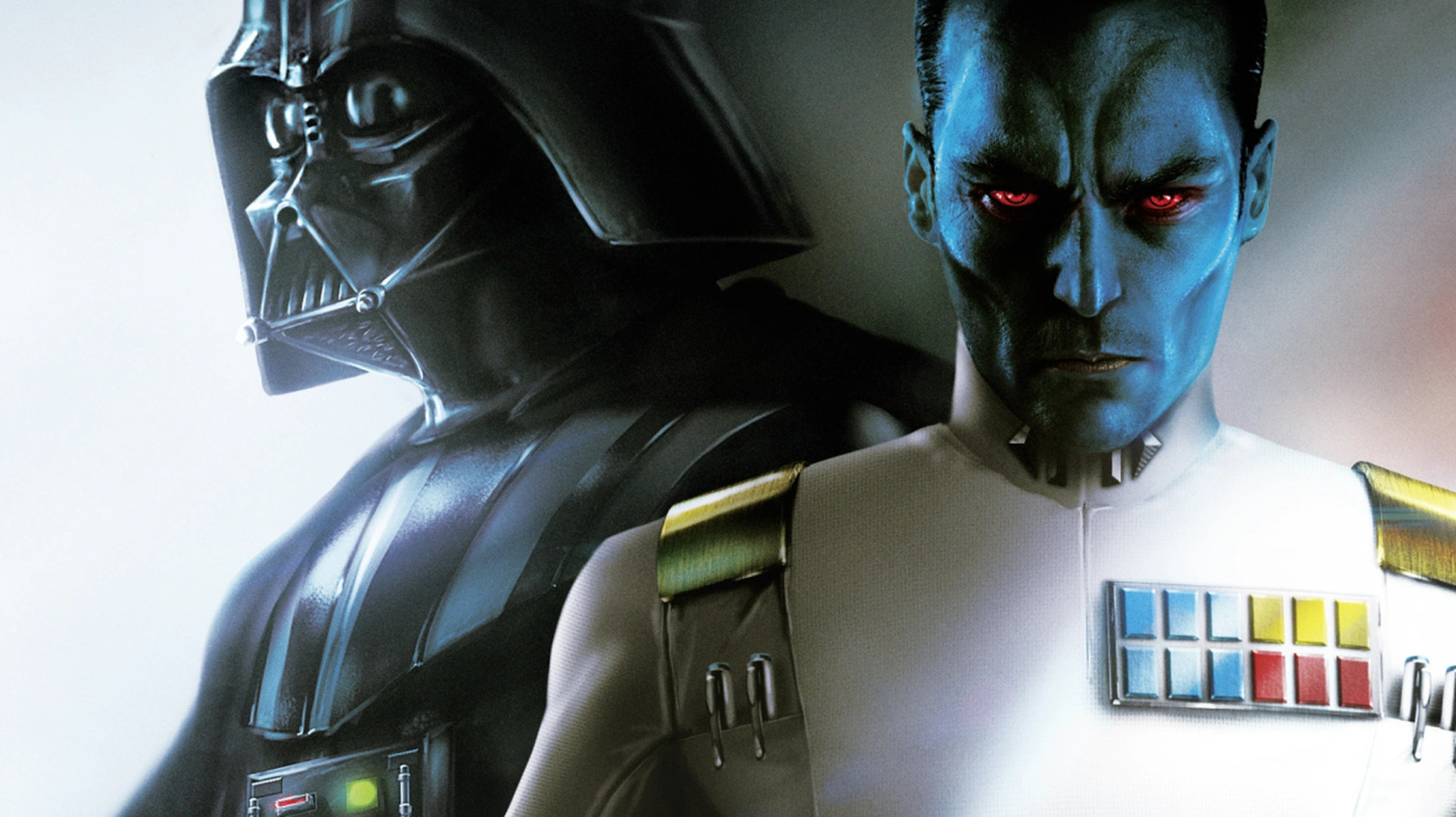
The Literary Candidates: Five Stories Ripe for Adaptation
If Disney seeks to pivot toward a more sophisticated, mature, or daring cinematic future, these five literary works offer the perfect foundation.
1. The Tragedy of Darth Plagueis the Wise
Since Palpatine’s chilling monologue in Revenge of the Sith, the figure of Darth Plagueis has loomed over the franchise as the ultimate "what if." James Luceno’s 2012 novel, Darth Plagueis, remains perhaps the most important book ever written in the Star Wars publishing history.
The Premise: The novel serves as a shadow-history of the prequel trilogy. It chronicles the rise of Sheev Palpatine from a disenfranchised aristocrat to the most powerful man in the galaxy, all under the tutelage of the Muun Sith Lord, Plagueis. It is a Machiavellian political thriller that explains the grand design of the Sith to dismantle the Jedi Order from within.
The Implication: Adapting this would provide the "dark side" perspective that many fans have clamored for. It would elevate the prequel era by adding layers of political intrigue and horror, turning a known tragedy into a visceral, cinematic experience.
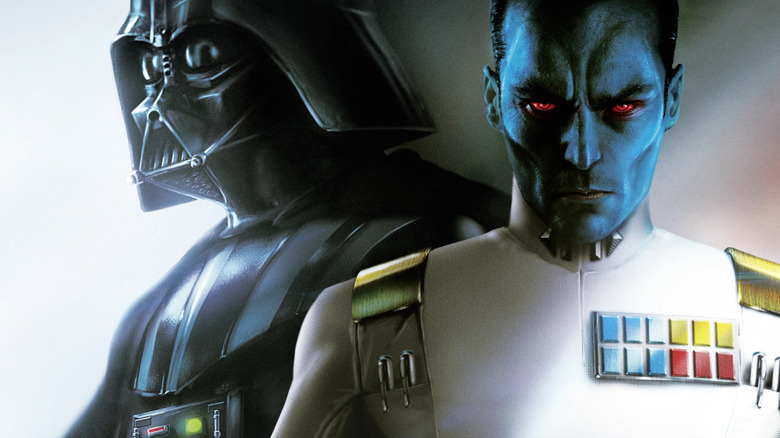
2. Lost Stars: A Romeo and Juliet in Space
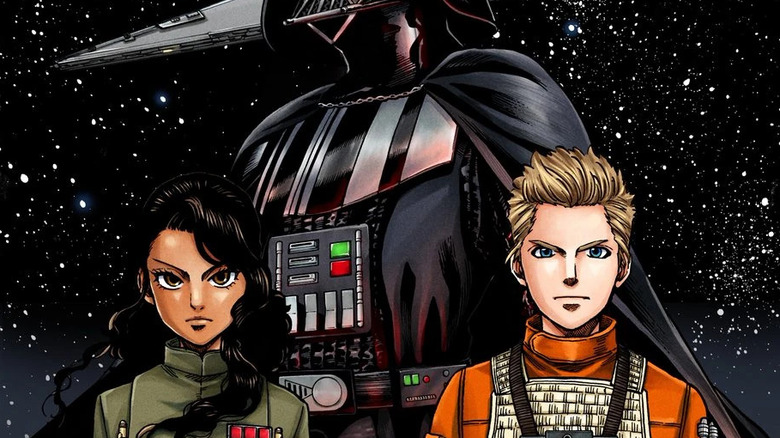
Claudia Gray’s Lost Stars is frequently cited as the pinnacle of modern Star Wars fiction. It is a grounded, character-driven narrative that follows two childhood friends—Thane Kyrell and Ciena Ree—who find themselves on opposing sides of the Galactic Civil War.
The Premise: Through their eyes, we witness the fall of the Empire and the rise of the Rebellion, not as mythic heroes, but as soldiers and pilots. It is an intimate, harrowing, and deeply romantic story that grounds the massive galactic conflict in the relatable struggles of two people who love each other but cannot reconcile their loyalties.
The Implication: This is the perfect candidate for a standalone film. It does not require knowledge of the Skywalker saga to understand; it stands on its own merits as a compelling war drama.
3. The Thrawn Imperial Trilogy
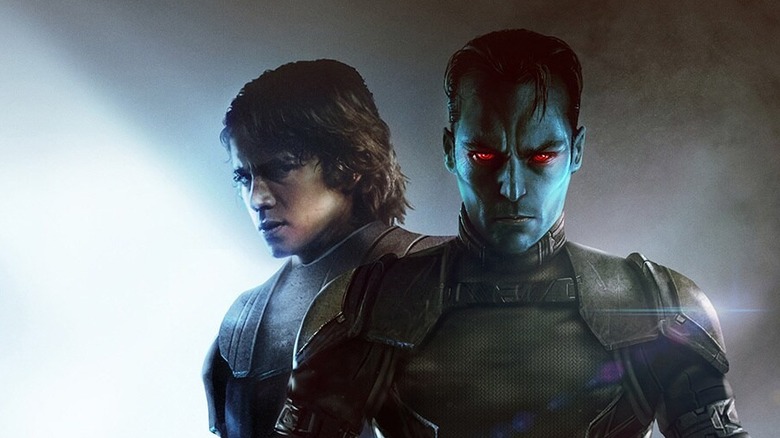
While the character has appeared in Ahsoka, we have yet to see a live-action depiction of the Imperial Thrawn—the tactical genius who almost brought the New Republic to its knees.
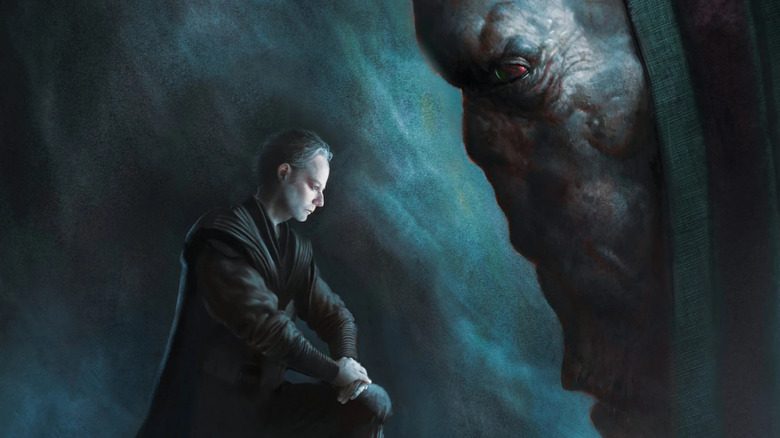
The Premise: Beginning with Thrawn (2017), this trilogy explores the rise of the Chiss tactician within the ranks of the Empire. It is less about "good versus evil" and more about the cold, calculated survival of a brilliant mind in a xenophobic, bureaucratic system.
The Implication: A series covering these books would provide a masterclass in military science fiction. By focusing on Thrawn’s rise, Disney could create a House of Cards-style show set within the Imperial Navy, providing a unique aesthetic shift from the typical "Jedi vs. Sith" formula.
4. The High Republic: Light of the Jedi
The High Republic era was designed to be the "golden age" of the Jedi. Charles Soule’s Light of the Jedi acts as the explosive inciting incident for this entire era.
The Premise: When a hyperspace disaster threatens to destroy a solar system, the Jedi are forced to act not as generals, but as first responders. It is an action-heavy, high-stakes disaster movie that introduces the Nihil—a unique, chaotic brand of space pirates that feel distinct from any previous Star Wars villain.
The Implication: Given the mixed reception to The Acolyte, which only touched the tail end of the High Republic, an adaptation of Light of the Jedi would allow Lucasfilm to show the Republic at its absolute peak, providing a vibrant, hopeful contrast to the decaying Republic of the prequel films.
5. Death Troopers: The Horror Frontier
Perhaps the most "outside-the-box" suggestion is Joe Schreiber’s Death Troopers.
The Premise: Imagine Alien or The Thing set in the Star Wars universe. A prison barge, the Purge, breaks down in deep space. A boarding party finds a seemingly abandoned Star Destroyer, only to discover a horrific, bio-engineered plague that reanimates the dead.
The Implication: The franchise has proven it can handle mature themes with Andor. Death Troopers would represent the next step: a genre-bending horror film that leverages the recognizable iconography of Stormtroopers to create genuine, terrifying suspense.
Strategic Implications: Why Now?
The current landscape of Hollywood media consumption is shifting. Audiences are showing "franchise fatigue" for generic blockbusters, but they remain highly engaged with high-concept, elevated genre storytelling.
- Diversification of Tone: By adapting these books, Lucasfilm could prove it is capable of more than just space opera. They could offer political thrillers, war dramas, and horror, expanding the brand’s reach.
- Risk Mitigation: These books have established, passionate fanbases. Adapting them provides a "pre-sold" audience while offering a roadmap that has already been tested for narrative structural integrity.
- Creative Stewardship: Lucasfilm has a massive library of established lore. Utilizing it shows respect for the authors who have contributed to the mythos and creates a sense of continuity that rewards loyal viewers.
Conclusion: A Galaxy of Untapped Potential
The Star Wars universe is not limited to the cinematic output of the last forty-seven years. By looking to the novels, Lucasfilm can find the next generation of iconic stories. Whether it is the political maneuvering of Darth Plagueis, the emotional weight of Lost Stars, or the terrifying depths of Death Troopers, the source material is ready.
The question remains: is the studio ready to stop reinventing the wheel and start mining the gold that has been sitting in their own library for decades? If they do, the future of Star Wars could be even brighter than its past. This is, after all, a galaxy far, far away—there is always room for a new story to be told.