Behind the Lens: Dissecting the Cinematic Complexity of The End of Oak Street

In the landscape of contemporary science fiction, few films have managed to capture the intersection of suburban domesticity and temporal displacement quite like David Robert Mitchell’s latest feature, The End of Oak Street. Starring Hollywood heavyweights Anne Hathaway and Ewan McGregor, the film has become a focal point for both critics and visual effects enthusiasts. As the Platt family finds their seemingly idyllic neighborhood untethered from reality, audiences are treated to a masterclass in atmospheric storytelling and technical precision.
In this week’s episode of The VFX Show, our panel—comprised of industry experts Matt Wallin, Jason Diamond, and Mike Seymour—pulls back the curtain on the production, examining how Mitchell translated his vision from script to screen.
Main Facts: A Suburban Odyssey
At its core, The End of Oak Street is a high-concept drama disguised as a neighborhood thriller. When a mysterious, localized event occurs, the Platt family and their neighbors find themselves physically transported to an uncharted, temporal "void." The narrative hinges on the chemistry between Hathaway and McGregor, who portray a couple struggling to maintain a sense of normalcy as the structural foundations of their world—both literal and metaphysical—begin to dissolve.
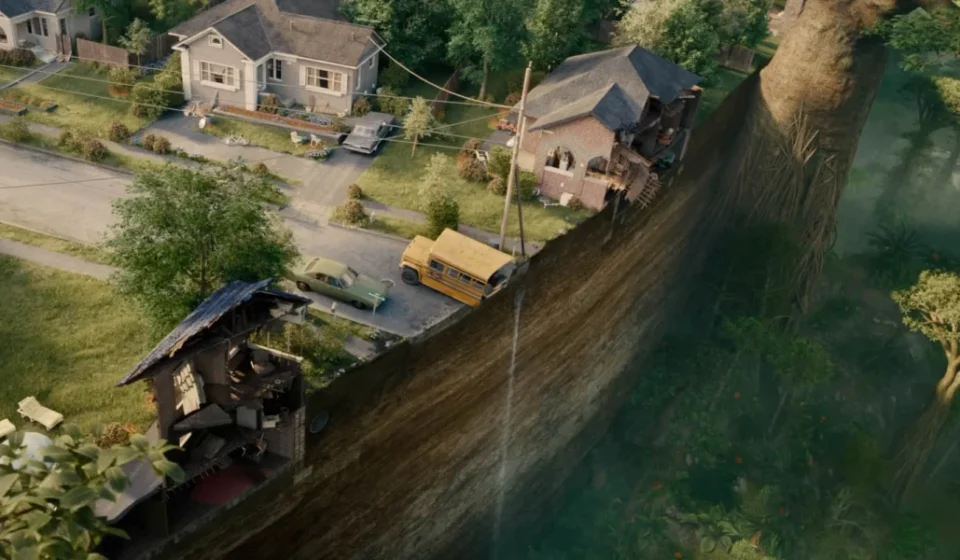
The film distinguishes itself through its rejection of traditional sci-fi spectacle in favor of "grounded weirdness." Rather than relying on sprawling space battles or futuristic technology, Mitchell focuses on the tactile, claustrophobic experience of a cul-de-sac suspended in time. This stylistic choice creates a unique visual language, one that demands a sophisticated blend of practical effects and cutting-edge digital post-production.
Chronology of Production
The journey of The End of Oak Street began with Mitchell’s desire to explore the anxieties of middle-class life through a genre lens. Following the pre-production phase, which saw the construction of a massive, modular neighborhood set, the film entered a grueling principal photography period.
- Conceptualization (Q1 2025): Director David Robert Mitchell finalized the screenplay, focusing on the "timelessness" of the Platt family’s neighborhood.
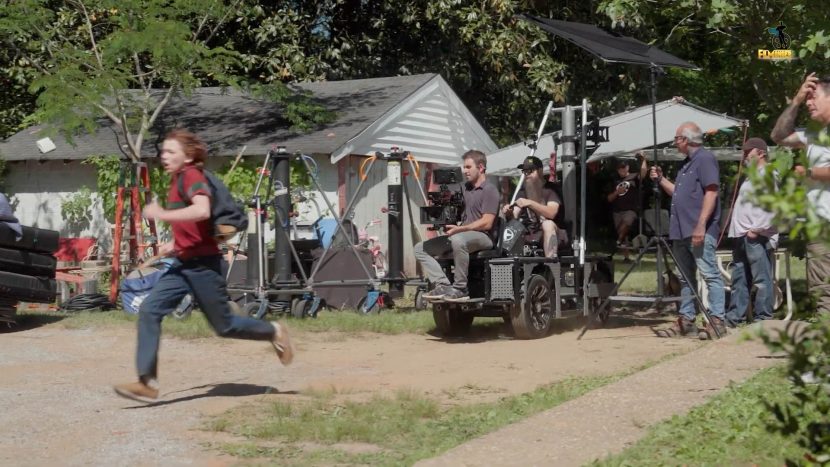
- Principal Photography (Q3 2025): The production utilized a mix of on-location shoots in archival suburban districts and controlled studio environments to facilitate the "time-bending" VFX requirements.
- VFX Integration (Q4 2025 – Q2 2026): A specialized team was tasked with creating the subtle, shifting environmental cues that indicate the neighborhood’s displacement.
- Final Polish and Release (Q3 2026): The film saw its wide release, immediately sparking industry debates regarding the efficacy of its visual storytelling.
Supporting Data: The Technical Underpinnings
The visual identity of The End of Oak Street is a testament to the advancements in digital cinematography. During the latest VFX Show podcast, the panel highlighted several key technical achievements:
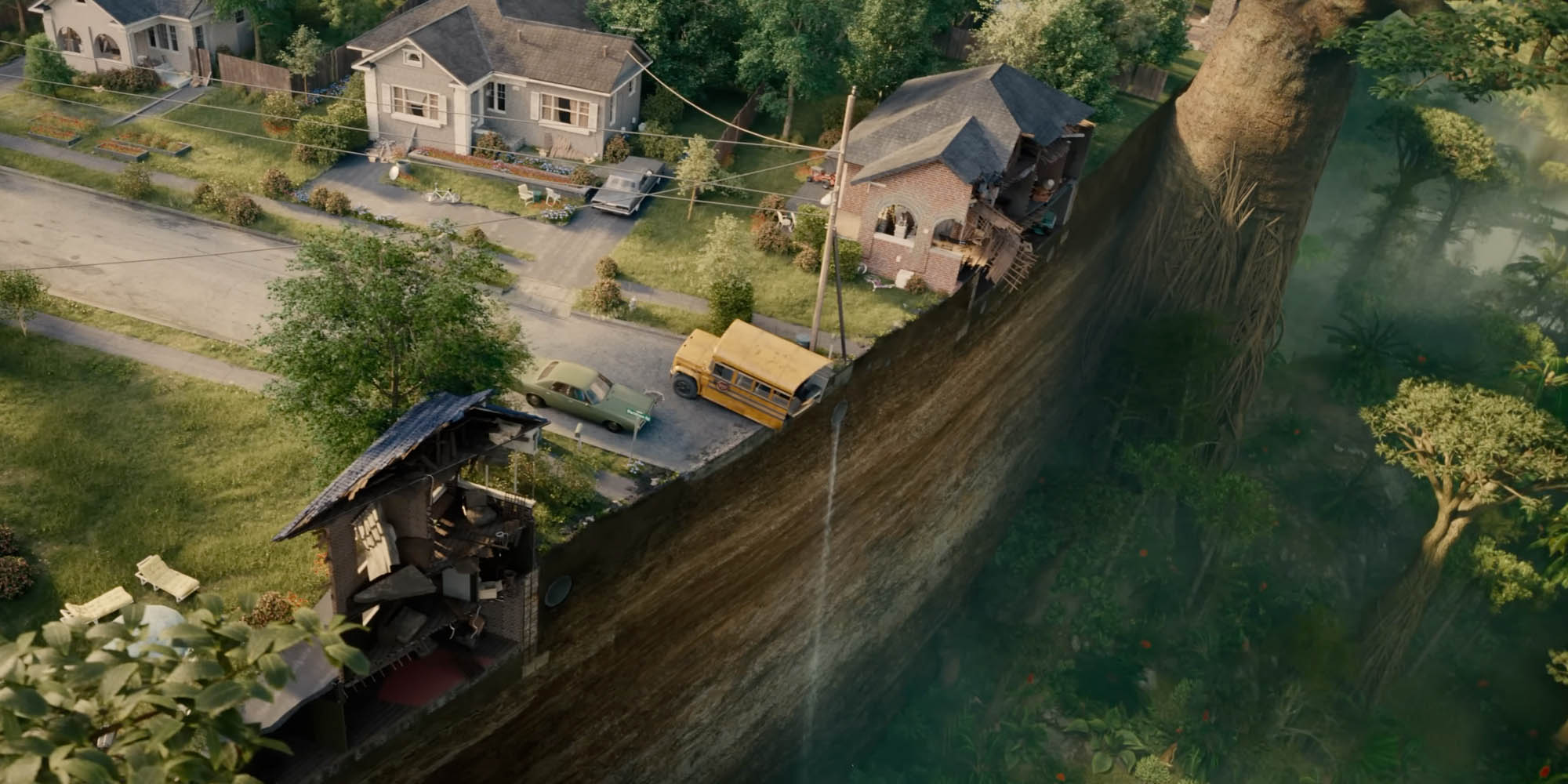
- Environmental Consistency: The VFX team had to manage the "light quality" of the neighborhood, which changes as the characters move backward in time. This required a frame-by-frame analysis of color grading and light scattering to ensure the shift was perceptible but not jarring.
- Practical vs. Digital: A significant portion of the film’s "decay" was captured in-camera using practical weathering techniques on the physical sets. This provided a foundation of realism that digital assets could then build upon, avoiding the "uncanny valley" effect often seen in purely CGI environments.
- Performance Capture: While the film is not a traditional motion-capture project, the team discussed how digital augmentation was used to subtly alter the actors’ environments, ensuring that the background elements remained as emotive as the lead performances.
Official Responses and Critical Discourse
The reception to The End of Oak Street has been polarized, a trend the VFX Show panel explored in depth. While some critics have lauded Mitchell for his restraint, others argue that the film’s ambiguity leaves too many questions unanswered.
"The film is a Rorschach test for the viewer," noted Mike Seymour during the broadcast. "You either buy into the atmospheric dread, or you get frustrated by the lack of hard scientific explanations for the displacement."
The production team, including David Robert Mitchell, has remained largely quiet regarding the specific "rules" of the world they created. In a brief statement provided to the studio, representatives noted that the film was intended to be "an experience of feeling rather than a lecture on physics." This creative choice has left audiences to debate the ending, with many taking to forums and social media to offer their own interpretations of the Platt family’s ultimate fate.
Implications for the Future of VFX
The success—and the technical risks—associated with The End of Oak Street signal a potential shift in how big-budget films approach visual effects.
The Shift Toward "Invisible VFX"
For years, the industry was obsessed with "more is more." The End of Oak Street proves that digital tools are most effective when they are invisible. By using VFX to support the mundane rather than the fantastical, Mitchell has set a new benchmark for narrative-driven effects.
Narrative Ambiguity in the Streaming Era
The film’s reliance on viewer interpretation poses an interesting question for the future of blockbuster cinema. In an era where audiences are conditioned to expect post-credits scenes and clear-cut sequels, Mitchell’s approach is refreshing. It invites the audience to participate in the storytelling, turning the film into a subject of long-term discourse rather than a one-time viewing experience.
The Human Element
Finally, the film serves as a reminder that even the most technically impressive visual effects cannot compensate for a lack of narrative depth. The performances by Hathaway and McGregor provide the emotional anchor that allows the audience to endure the film’s more abstract moments. Without that human connection, the "time-bending" sequences would have felt hollow.
Conclusion: Join the Debate
As the discussion on The VFX Show illustrates, The End of Oak Street is more than just a piece of entertainment; it is a complex puzzle that demands multiple viewings. Whether you are a fan of David Robert Mitchell’s unique directorial voice or a professional in the VFX industry looking to learn from his technical choices, there is no denying the impact this film has had on the cinematic landscape of 2026.
We encourage our readers to listen to the full episode of The VFX Show to hear the panel’s in-depth breakdown of the film’s most challenging sequences. As always, we welcome your feedback and interpretations. Do you agree with the panel’s assessment of the film’s technical merits? How did the ending land for you?
Contact the team:
For further inquiries or to join the conversation, reach out to the production team at the email address provided in the show notes.
Panelists:
- Matt Wallin (@mattwallin): Follow for ongoing commentary on the intersection of technology and art at mattwallin.com and on Mastodon.
- Jason Diamond (@jasondiamond): Explore the creative portfolio of the Diamond brothers at thediamondbros.com.
- Mike Seymour (@mikeseymour): Check out the latest industry news and tutorials at fxguide.com.
Special thanks to Jim Shen for his tireless work on the editing and production of this week’s episode. Subscribe to our podcast on Apple, Spotify, or your preferred RSS reader, and don’t forget to join our community on the fxguide YouTube channel.