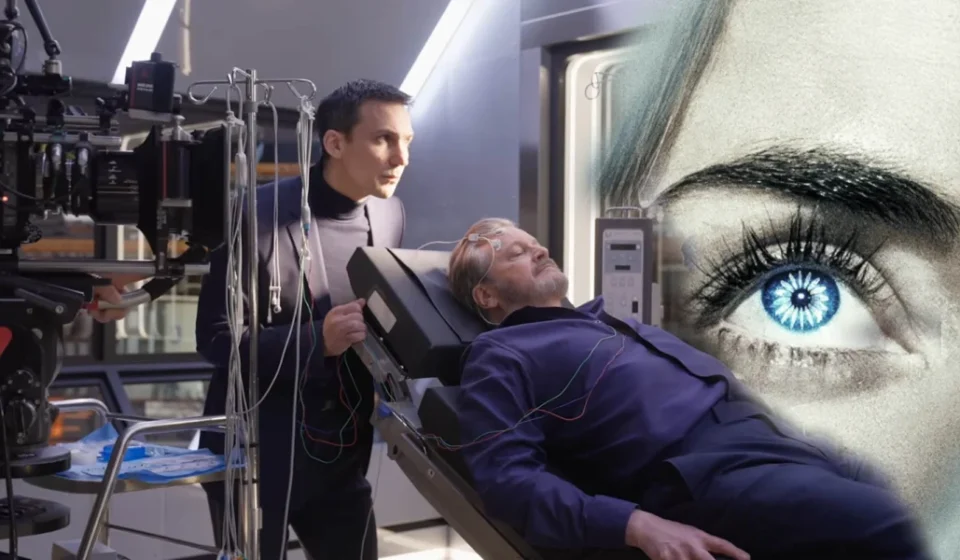
The Spielbergian Paradigm: Unpacking the VFX and Narrative Complexity of Disclosure Day

In the latest installment of the long-running VFXShow podcast, industry veterans Matt Wallin, Jason Diamond, and Mike Seymour delve deep into the mechanics of Steven Spielberg’s latest sci-fi tour-de-force, Disclosure Day. The film, which has already sparked intense discourse regarding its narrative structure and innovative visual language, represents a masterclass in "invisible" visual effects—a hallmark of Spielberg’s career that prioritizes emotional resonance over spectacle.
The Main Facts: A New Chapter in Extraterrestrial Cinema
Disclosure Day, directed and produced by Steven Spielberg from a screenplay by long-time collaborator David Koepp, has arrived as a polarizing and deeply compelling addition to the director’s "aliens-are-amongst-us" filmography. The ensemble cast features an A-list lineup including Emily Blunt, Josh O’Connor, Colin Firth, Eve Hewson, and Colman Domingo.
At its outset, the film functions as a high-stakes conspiracy thriller. The plot orbits the discovery of stolen extraterrestrial technology held by a clandestine, government-adjacent corporation, with narrative threads tracing back to the foundational myth of the 1947 Roswell incident. However, as the film progresses, it sheds the skin of a traditional genre piece, evolving into a quintessentially Spielbergian character study. The narrative shifts from the macro-level geopolitical paranoia of the opening act to a microscopic, intimate exploration of human memory, the trauma of fear, and the profound, transformative potential of interspecies communication.
Chronology: From Conspiracy to Connection
The film’s structure is meticulously calibrated to guide the audience through a slow-burn revelation of the "other."
- The Exposition (Act I): The story establishes a world defined by shadows. Here, visual effects are used to ground the "conspiracy" aesthetic. The cinematography mimics the gritty, observational style of 70s paranoia thrillers, with digital enhancements applied to environments to create an unsettling, bureaucratic atmosphere.
- The Catalyst (Act II): As the protagonists—led by Emily Blunt and Josh O’Connor—begin to uncover the truth, the film’s visual language pivots. The "alien" presence is no longer restricted to hardware or spacecraft. Instead, the directors and visual effects supervisors introduce a series of progressive encounters. The film begins to employ what the VFXShow hosts describe as "pattern-based storytelling."
- The Climax (Act III): The convergence of psychic connections, shared childhood memories, and the emergence of a non-linear alien language forms the emotional core of the film. It is here that the visual effects team, working in tandem with Spielberg’s vision, creates imagery that is both ethereal and grounded, eschewing the "monster movie" tropes in favor of something far more psychological.
Supporting Data: The Craft Behind the Illusion
In the podcast episode, the hosts perform a deep dive into the technical execution of Disclosure Day. The central thesis of their discussion is the concept of "invisible VFX." Unlike blockbusters that rely on overwhelming CGI set-pieces, Disclosure Day utilizes digital artistry to augment the naturalistic performances of its cast.
The Methodology of Invisibility
The VFX team focused on three primary pillars of enhancement:
- Environmental Subtlety: Using LIDAR scanning and advanced compositing to make mundane office spaces and domestic environments feel "off," mirroring the characters’ growing sense of alienation.
- Biological Integration: The depiction of alien presence through animal behavior. The use of digital creatures to subtly alter the patterns of wildlife in the film serves as a manifestation of the extraterrestrial influence on the environment.
- The Linguistic Design: Perhaps the most significant challenge was visualizing a "shared language." By blending practical photography with digital overlays, the production team created a visual representation of language that feels like a cognitive glitch rather than a sci-fi overlay.
As Mike Seymour notes, the film’s success relies on the "progressive pattern of encounters." By keeping the alien threat abstract for as long as possible, the visual effects serve the narrative’s psychological stakes, ensuring that the audience’s focus remains on the actors’ reactions rather than the technology itself.
Official Responses and Creative Intent
The production has been notably quiet regarding the specific techniques used for the film’s climactic sequence, a hallmark of Spielberg’s desire to maintain the "magic" of the viewing experience. However, promotional materials released by Universal Pictures have highlighted the collaboration between the cinematography department and the VFX supervisors.
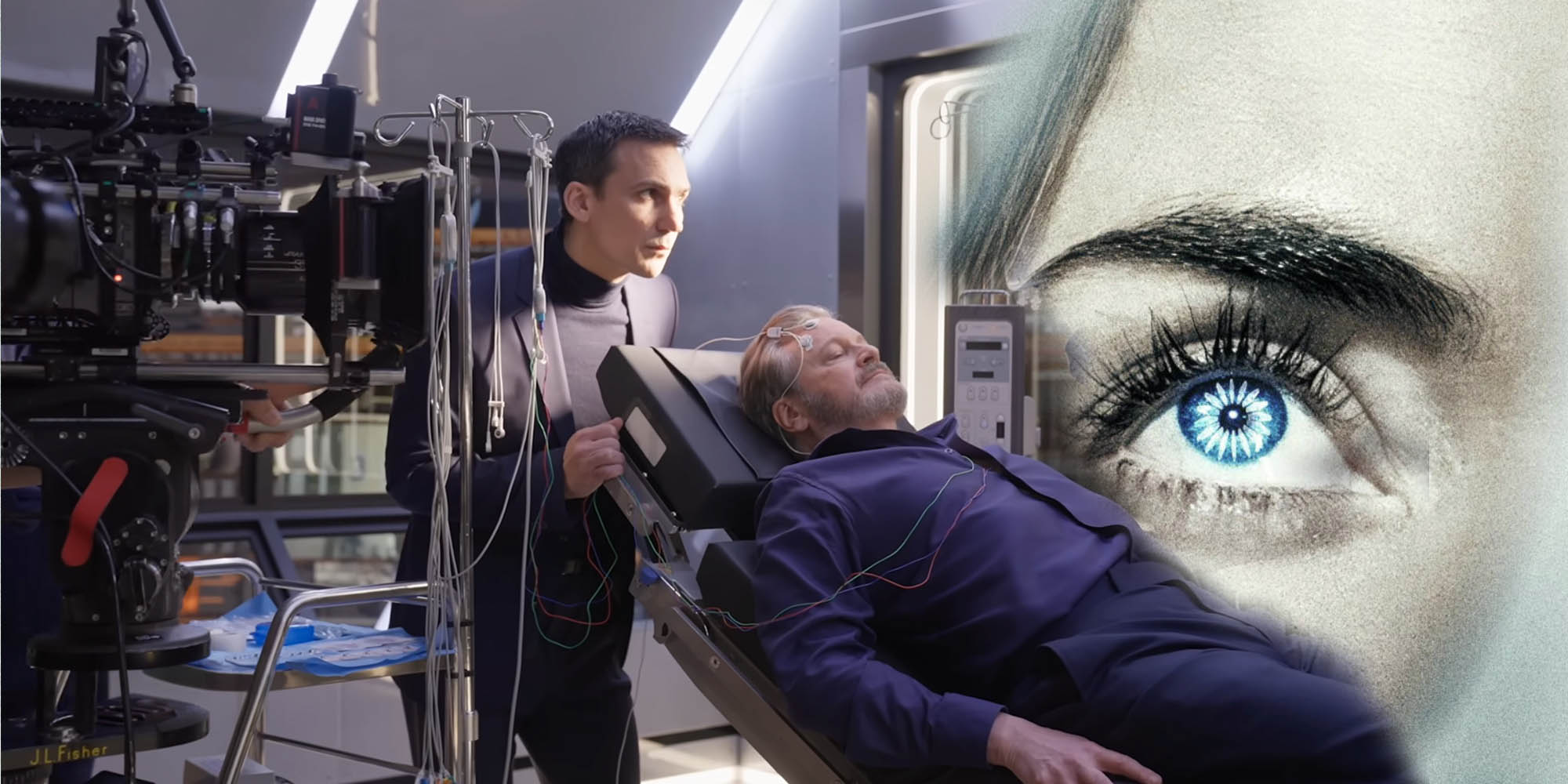
In a recent behind-the-scenes featurette, the production team emphasized that the "aliens" were never treated as a single entity or a singular reveal. Instead, they were treated as a pervasive state of being. "The challenge," the production notes suggest, "was to make the audience feel the presence of the unknown without ever providing a clear focal point." This intent aligns with the film’s themes of memory—the idea that the alien encounter is something felt in the subconscious rather than seen with the naked eye.
Implications: The Future of Sci-Fi VFX
Disclosure Day arrives at a pivotal moment in the industry. As artificial intelligence and machine learning begin to reshape the landscape of visual effects, Spielberg’s film serves as a reminder of the power of intent. By prioritizing character-driven storytelling over the sheer volume of pixels, Disclosure Day suggests a path forward for science fiction that rejects the "franchise-building" model in favor of artistic singularity.
The Shift in Audience Expectations
The critical reception, while still unfolding, points to a potential shift in how audiences consume VFX-heavy films. The success of Disclosure Day hinges on whether the audience is willing to engage with a film that demands active interpretation. The "puzzle-box" nature of the narrative—the way it forces the viewer to piece together the alien language and the characters’ repressed memories—elevates the film from a standard thriller to an intellectual experience.
Technical Legacy
Technically, the film sets a high bar for future productions. By successfully integrating VFX into the fabric of the film’s reality—rather than creating an "overlay" that stands apart from the cinematography—the team behind Disclosure Day has provided a blueprint for how modern blockbusters can achieve a more grounded, immersive aesthetic. It proves that the most effective visual effect is often the one the audience doesn’t realize is happening.
Conclusion: A New Standard for the Genre
As discussed by Matt Wallin, Jason Diamond, and Mike Seymour on The VFXShow, Disclosure Day is a testament to the enduring creative power of Steven Spielberg. It is a film that refuses to offer easy answers, choosing instead to challenge the audience with complex themes and a sophisticated visual language.
For fans of cinema and visual effects alike, the podcast provides an essential companion piece to the film, offering technical insights that deepen the appreciation of the craft. As the industry continues to evolve, Disclosure Day stands as a reminder that regardless of the technology employed, the heartbeat of great cinema remains the human connection—even when that connection is with something truly, and beautifully, alien.
For more in-depth discussions on the visual effects industry, be sure to subscribe to The VFXShow on Apple Podcasts, Spotify, or via their RSS feed. You can also catch the full video analysis on the fxguide YouTube channel. Special thanks to Jim “In three, two…” Shen for the production and editing of this week’s segment.