The Future of Play: Xbox Pilots Ad-Supported Cloud Gaming in Shift Toward Digital Accessibility

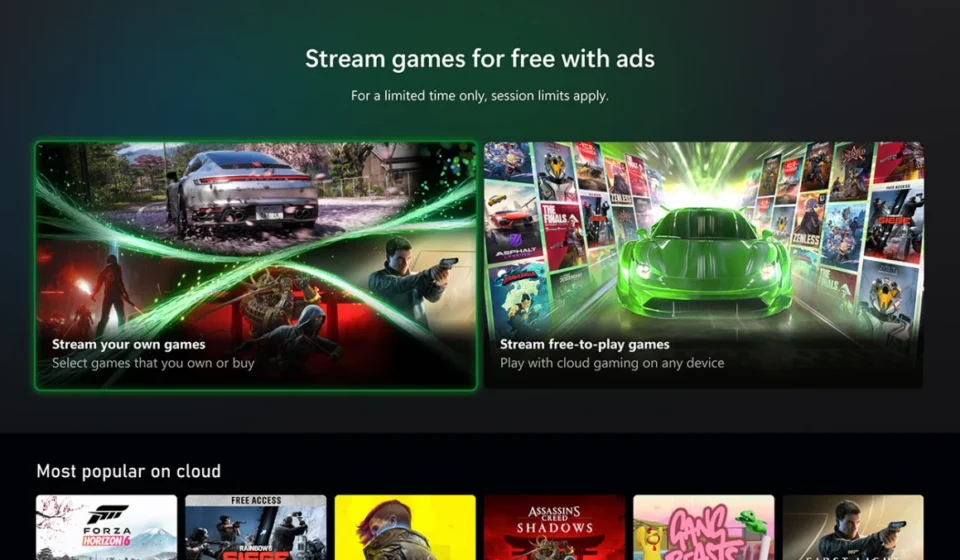
The landscape of interactive entertainment is undergoing a profound metamorphosis. As the industry pivots away from physical media—a trend underscored by the recent digital-only releases of major titles and speculation regarding the future of console hardware—Xbox has launched a bold, experimental initiative that could redefine how players access their libraries. On Thursday, Microsoft’s gaming division announced a new test program for Xbox Insiders: an ad-supported model that allows users to stream select games they own without the requirement of a paid Game Pass subscription.
This development marks a significant departure from traditional gaming subscription models and signals a broader strategic push toward "affordability through accessibility." By integrating advertising into the cloud-streaming experience, Xbox is testing a hybrid ecosystem that mirrors the evolution seen in the streaming video market, where ad-supported tiers have become a standard fixture for platforms like Netflix, Disney+, and Hulu.
The Mechanics of the Pilot Program
The new test, currently restricted to the Xbox Insider community, introduces a novel "time-for-ads" exchange. According to sources familiar with the matter, Xbox Insiders with an existing account can now stream games they already own via the cloud without needing a Game Pass Ultimate or Core membership.
The structure of the experience is straightforward: players are greeted by up to two minutes of advertisements before their gameplay session commences. Each session is capped at one hour. Should a player wish to continue their session beyond that sixty-minute threshold, they must endure an additional two-minute block of advertisements to re-enter the game.
This model applies to a wide array of supported hardware. Users can access these cloud-streamed titles across Xbox consoles (Xbox One and newer), smart TVs from manufacturers like Samsung and LG, Windows PCs, and a variety of mobile devices and tablets. By leveraging the power of Microsoft’s Azure-backed cloud infrastructure, Xbox is effectively decoupling high-fidelity gaming from expensive hardware requirements, allowing users to engage with their owned software on the go—a feat that remote-accessing a local console simply cannot replicate due to distance and bandwidth constraints.
Chronology of a Digital Shift
To understand the weight of this announcement, one must look at the recent history of the gaming industry. The path to this current experiment was paved by several pivotal shifts over the last decade:
- The Rise of Digital Stores: The gradual decline of physical disc sales began with the proliferation of digital storefronts. As platforms like Steam, the PlayStation Store, and the Xbox Marketplace matured, the convenience of digital downloads quickly overshadowed the ownership of physical plastic.
- The Advent of Cloud Gaming: With the launch of Project xCloud (later integrated into Game Pass), Microsoft demonstrated that the hardware barrier could be lowered. Streaming games directly from servers meant that a user with a modest laptop could play titles that would typically require a high-end console.
- Subscription Saturation: Game Pass became the "Netflix of gaming," offering a massive library for a flat monthly fee. While revolutionary, it created a binary choice: pay the monthly subscription or lose access to the cloud streaming library.
- The Current Experiment: With this week’s announcement, Xbox is attempting to fill the gap for players who own specific titles but do not want to commit to a monthly recurring fee, essentially creating a "freemium" model for the cloud.
Supporting Data and Industry Context
The move toward ad-supported gaming is not occurring in a vacuum. As consumer costs rise, the "subscription fatigue" phenomenon has become a point of concern for major publishers. According to market analysts, the average consumer now manages multiple digital subscriptions, leading to higher churn rates. By introducing an ad-supported tier, Xbox may be targeting the "occasional gamer"—a demographic that owns a handful of games but does not play frequently enough to justify a $10–$23 monthly subscription fee.
Furthermore, the advertising market within video games is projected to grow significantly. Unlike traditional static ads, the integration of ads in cloud gaming sessions allows for dynamic, targeted advertising. Microsoft’s internal data, which has long emphasized the need to lower the barrier to entry, suggests that cost is the primary inhibitor for new player acquisition in the cloud space.
While Game Pass subscribers will continue to enjoy ad-free cloud gaming as part of their membership, the introduction of this tier provides a path for non-subscribers to utilize their existing software libraries without further financial investment, save for the attention economy—the "payment" of time spent watching ads.
Official Responses and Strategic Philosophy
Xbox has framed this initiative as a "player-first" strategy, emphasizing that advertising, when implemented correctly, serves as an equalizer. In their official statement, the company noted:
"Advertising has existed in gaming for decades, from in-game placements to free-to-play models. But it hasn’t always been built with the player in mind. When done well, advertising can help lower the cost of access. It creates another way for players to get into games without an upfront streaming purchase and expands audiences through new ways to play. For brands, this only works if showing up here adds to the experience, not takes away from it."
Xbox has outlined five core principles for this program, focusing on transparency, non-intrusive placement, brand suitability, and the enhancement of the user experience. The company’s goal is to ensure that the advertisements do not disrupt the actual gameplay loop, keeping them strictly confined to the pre-game "loading" or "re-entry" phases.
Implications: The Future of Ownership and Access
The long-term implications of this test are vast. If successful, this model could signal a broader industry shift toward a decentralized, cloud-first future where physical consoles become less relevant.
The Death of the Disc?
As the industry moves toward digital-only, the concern regarding "digital ownership" remains paramount. If a player no longer owns a physical disc, they are beholden to the licensing agreements of the platform holder. By offering ad-supported cloud access, Xbox is reinforcing the idea that the service—the ability to play—is more valuable than the physical medium.
The "A La Carte" Gaming Future
Could we see a future where players pay a small fee or watch ads to rent games on a per-hour basis? This experiment suggests that the technology is ready. If Microsoft can effectively monetize the casual gaming audience through ads, it could lead to a massive expansion of the Xbox ecosystem beyond the traditional "hardcore" gamer.
The Insider Program as a Testing Ground
For those interested in participating, the barrier to entry is minimal. The Xbox Insider Program is an open beta environment where Microsoft gathers data on features that may or may not see a full release. By joining via the Insider Hub app, users can contribute to the feedback loop that will ultimately decide the viability of this ad-supported model.
A Challenge to Competitors
Sony and Nintendo are currently observing these trends with intense interest. Should Microsoft prove that an ad-supported cloud model is both profitable and welcomed by users, it will place immense pressure on competitors to offer similar, low-cost alternatives to their premium subscription services.
Conclusion: A Balancing Act
The introduction of ad-supported cloud gaming is a high-stakes balancing act. Xbox is attempting to appease investors looking for new revenue streams in the advertising space while simultaneously catering to consumers who are feeling the squeeze of a subscription-heavy economy.
While two minutes of ads may seem a trivial price to pay for the ability to stream a high-end title on a mobile device or a smart TV, the success of this program will depend on the quality of the ads, the frequency of the interruptions, and the overall stability of the streaming service.
As we look toward 2028 and beyond, the console may indeed become a relic of the past, replaced by a ubiquitous cloud experience that follows the player wherever they go. Whether that future is paved with ads or subscription fees remains to be seen, but with this pilot, Xbox has clearly signaled its intention to lead that evolution. For now, the gaming community remains in a state of watchful anticipation, waiting to see if the "two-minute trade" will become the new industry standard for interactive entertainment.