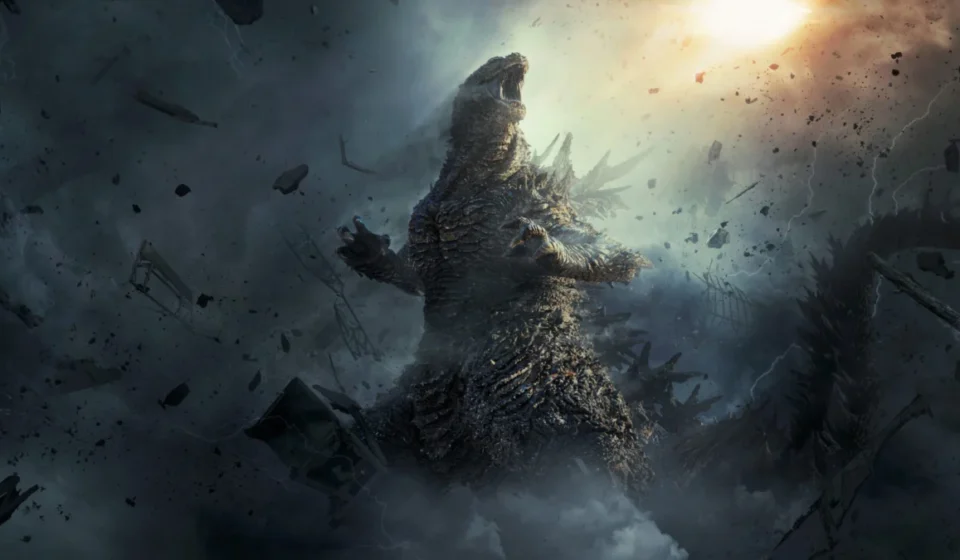
Box Office Titan: ‘Godzilla Minus Zero’ Crushes Competition in Dominant Opening Weekend

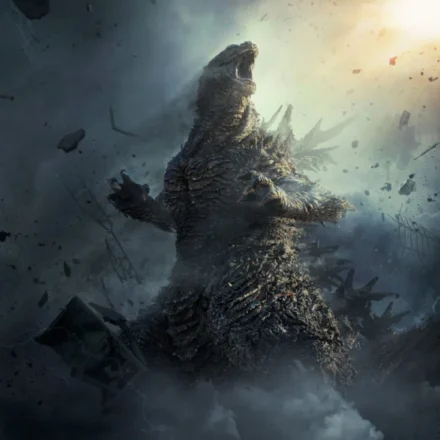
The North American box office witnessed a seismic shift this weekend as the King of the Monsters reclaimed his throne. Toho’s Godzilla Minus Zero, the highly anticipated sequel to the Academy Award-winning Godzilla Minus One, stomped over its competition, proving that the appetite for high-stakes kaiju cinema remains insatiable. While family-friendly fare and niche independent dramas vied for attention, the sheer spectacle of Takashi Yamazaki’s latest epic left other contenders scrambling in its wake.
The Main Facts: A Kaiju-Sized Opening
Godzilla Minus Zero roared into 3,254 North American theaters on Friday, raking in a staggering $14.5 million. This opening-day figure positions the film to hit an estimated $32 million by the conclusion of the three-day weekend. The performance serves as a powerful testament to the brand equity built by the 2023 predecessor, which famously captured the zeitgeist and turned a Japanese-language film into a domestic phenomenon.
In stark contrast, Warner Bros. Pictures Animation’s The Cat in the Hat failed to achieve the cultural dominance expected of a major studio release. Opening in 4,003 locations—significantly wider than the Godzilla sequel—the film earned only $6 million on Friday. With a projected weekend total of $18.7 million, it fell short of industry forecasts, which had originally pegged the family comedy between $20 million and $25 million.
Rounding out the top five, Angel Studios’ Drummer Boy secured the third position with $3.39 million, while A24’s documentary sensation You Can See Everything and Searchlight’s Wild Horse Nine engaged in a fierce battle for the fourth and fifth spots, respectively.
Chronology of a Box Office Weekend
The theatrical landscape unfolded with a clear hierarchy by Friday evening. The day began with high expectations for The Cat in the Hat, given its massive screen count, but early tracking data quickly indicated that audiences were prioritizing the visceral, big-screen appeal of the monster epic.
By midday, it was evident that Godzilla Minus Zero was drawing more than just franchise loyalists; it was capturing the attention of the general public. While The Cat in the Hat saw a respectable turnout of families, the "Seuss factor" proved insufficient to drive the volume of sales seen by Toho’s blockbuster.
As the sun set on Friday, the secondary tier of the box office began to solidify. Drummer Boy, a patriotic, faith-based musical, maintained a steady pace, performing well in regions where the crossover between Christian music and cinema is strongest. Simultaneously, the veteran performer You Can See Everything continued its remarkable run, showcasing the staying power of high-concept documentaries in an increasingly crowded market.
Supporting Data: The Numbers Breakdown
| Film Title | Friday Gross | Projected Weekend Total | Theater Count |
|---|---|---|---|
| Godzilla Minus Zero | $14.5M | $32.0M | 3,254 |
| The Cat in the Hat | $6.0M | $18.7M | 4,003 |
| Drummer Boy | $3.39M | $7.9M | 2,850 |
| You Can See Everything | $2.55M | $8.0M | 2,473 |
| Wild Horse Nine | $2.47M | $5.5M | 1,100 |
The data highlights a significant discrepancy in "per-theater average" (PTA). Godzilla Minus Zero commands a massive PTA, proving that the film is a destination event. Wild Horse Nine, despite its lower total gross, performed exceptionally well on a per-screen basis given its limited footprint of 1,100 locations. This suggests that Martin McDonagh’s latest dark comedy is finding a highly engaged, specific audience that is willing to travel to designated hubs to experience the film.
Behind the Lens: Creative Perspectives
The success of Godzilla Minus Zero is largely attributed to the vision of director Takashi Yamazaki. Set two years after the events of the previous film, the narrative follows a regenerating Godzilla who must contend with a new, terrifying adversary threatening the fragile peace of postwar Japan.
Variety’s own Owen Gleiberman praised the film’s ability to bridge the gap between classic monster lore and modern storytelling. "It’s already clear that this won’t be the last of Yamazaki’s kaiju epics," Gleiberman wrote. "The movie proves that when you do it right, what seemed old can become timeless."
On the other side of the spectrum, The Cat in the Hat represents a bold attempt by Warner Bros. to modernize a literary staple. Directed by Alessandro Carloni and Erica Rivinoja, with Bill Hader providing the voice for the iconic feline, the film leans into a stylized, cartoonish aesthetic. However, comparing it to the 2003 live-action adaptation—which opened to a massive $38 million—it is clear that the brand faces challenges in recapturing the same level of novelty and audience curiosity two decades later.
Drummer Boy, directed by brothers Ben and Joel David Smallbone, represents a strategic move by Angel Studios to tap into the intersection of musical performance and historical drama. Starring the Smallbone brothers (of the Christian act For King + Country), the film tells a story of survival and freedom during the American Revolution. Critics have noted the film’s "confident, mostly pleasing" nature, identifying it as a successful throwback to the era of large-scale screen musicals.
Implications: What This Means for the Industry
The current box office performance has several ripple effects for the film industry:
1. The Rise of "Event" Foreign Cinema
Godzilla Minus Zero proves that American audiences are increasingly comfortable with international productions. The success of GKids in distributing Toho’s properties suggests that the barrier between "foreign" and "mainstream" content is thinner than ever. We can expect studios to look toward more high-quality international partnerships in the coming fiscal years.
2. Family Film Fatigue
The underperformance of The Cat in the Hat serves as a warning signal for major studios. While children’s intellectual property (IP) is historically a goldmine, the market is currently saturated with animated content. Audiences, particularly parents, are becoming more discerning, requiring more than just nostalgia to justify the cost of a theatrical outing.
3. The "Buzzy" Documentary Model
A24’s You Can See Everything is a case study in effective distribution. By maintaining a steady presence for four weeks, the documentary—which focuses on the Elizabeth Holmes saga—has accumulated over $73 million. This reinforces the idea that true-crime and cultural-phenomenon documentaries can enjoy a "long tail" in theaters, provided they have the right promotional push.
4. Niche Appeal as a Strategy
Wild Horse Nine and the Indian epic Ramayana: Rise of a Legend demonstrate the viability of targeted releases. By focusing on specific demographics and controlled location counts, these films avoid the overhead costs of a massive national rollout while ensuring that their screens remain consistently full.
The Road Ahead
As we look toward the final Sunday tallies, the industry remains focused on the "four-day" frame for late entrants like Ramayana, which is projected to reach over $10 million when including Thursday figures.
The battle for supremacy between the giants of the industry—both literal, in the case of Godzilla, and metaphorical, in the case of the major studios—is far from over. However, for this weekend, at least, the message from the box office is clear: audiences are looking for spectacle, innovation, and stories that challenge the status quo.
Whether it is the haunting roar of a kaiju, the rhythmic cadence of a drummer in the American Revolution, or the investigative depths of a high-profile documentary, the theater remains a space where diverse narratives can compete. As the dust settles on this weekend’s numbers, one thing is certain: the King of the Monsters has ensured that the rest of the industry will be playing catch-up for the remainder of the season.
The box office is not just a ledger of sales; it is a pulse check of our cultural appetite. And right now, that appetite is leaning heavily toward the colossal.