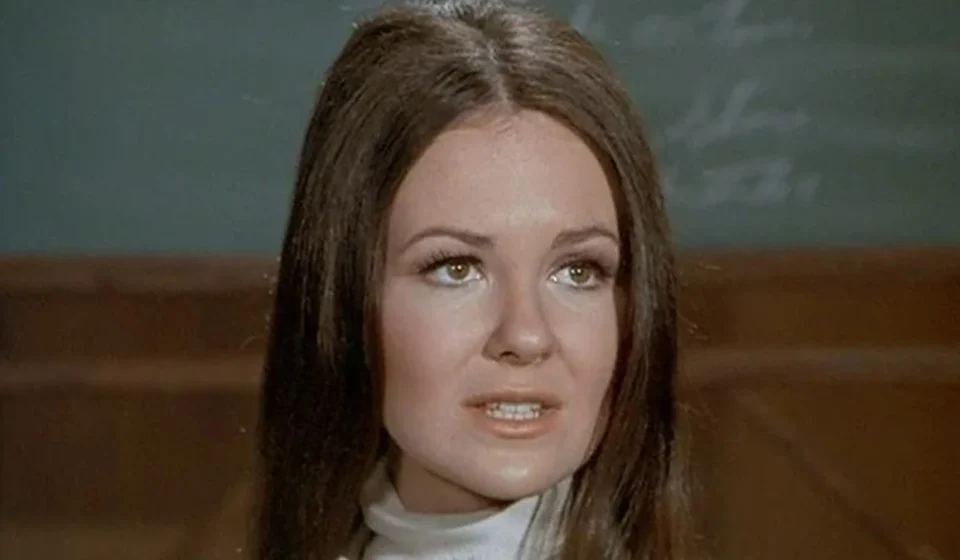

The entertainment industry is mourning the loss of a television icon who bridged the gap between the golden age of family sitcoms and the modern era of character-driven comedy. Shelley Fabares, the versatile actress and chart-topping singer whose career spanned seven decades, has passed away at the age of 82. Her family confirmed that the beloved performer died following a brief illness, leaving behind a profound cultural footprint that influenced generations of viewers. She is survived by her husband, the acclaimed actor and activist Mike Farrell, best known for his role as Captain B.J. Hunnicutt on MASH*.
Fabares’ passing marks the end of an era for the classic American sitcom. From the wholesome suburban living rooms of the 1950s to the high-stakes, high-humor professional settings of the 1990s, Fabares remained a consistent, comforting, and remarkably talented presence on television screens worldwide.
The Life and Career of a Television Stalwart
Early Beginnings and a Rapid Ascent
Born in Santa Monica, California, in 1944, Shelley Fabares was essentially born into the industry. A child prodigy of sorts, she began her acting career at the tender age of three. Unlike many child actors who struggle to transition into adult roles, Fabares possessed a natural, grounded charisma that allowed her to navigate the evolving landscape of Hollywood with grace.
Her formal television debut came in 1954 at the age of 10, when she appeared in the anthology drama Letter to Loretta. The mid-1950s served as an apprenticeship for the young actress, as she learned the nuances of live television and set etiquette. By the time she reached her teenage years, she had already established herself as a reliable and gifted performer, setting the stage for her breakout role.
The Donna Reed Era: Defining an Archetype
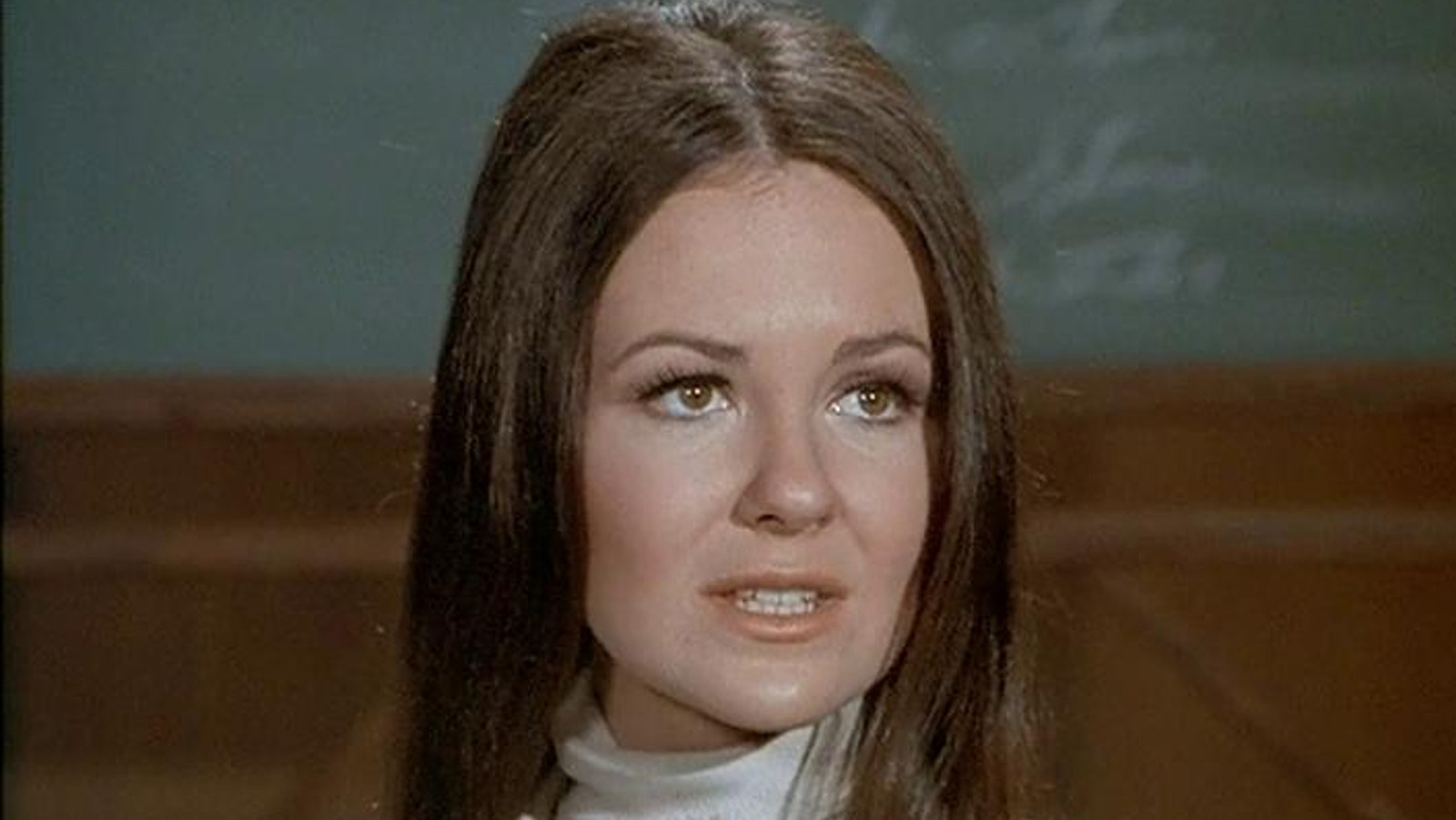
In 1958, Fabares was cast as Mary Stone in The Donna Reed Show. The series, which centered on the idyllic lives of a pediatrician and his family, became a cornerstone of late 1950s and early 1960s television. As Mary Stone, Fabares became a household name. She portrayed the quintessential American teenager with such warmth and relatability that she became a role model for a generation of viewers.
During this period, Fabares demonstrated her versatility by moving into the music industry. In 1962, she released "Johnny Angel," a quintessential teen-pop anthem. The song’s massive success—climbing to number one on the Billboard Hot 100 in April of that year—was a testament to her crossover appeal. She would eventually release five studio albums, proving that her talents were not limited to the script.
The Middle Years: Refining Her Craft
After the conclusion of The Donna Reed Show, Fabares did not fade into the obscurity that often plagues former child stars. Instead, she leaned into her craft, taking on roles that showcased her growing maturity. In the 1970s and 80s, she appeared in various television movies and guest spots, but she found a new long-term home in the sitcom One Day at a Time.
As Francine Webster, she brought a sophisticated, sharp-witted edge to the series, providing a perfect foil for the main cast. This role allowed Fabares to transition from the "girl next door" archetype into a character actress capable of biting sarcasm and genuine emotional depth.
The Coach Resurgence
If The Donna Reed Show established her career, Coach (1989–1997) cemented her legacy as a television titan. Playing Christine Armstrong, the girlfriend (and later wife) of Hayden Fox, Fabares brought a grounded, mature perspective to the raucous world of college football comedy.
Her chemistry with co-star Craig T. Nelson was widely regarded as the heart of the series. For her portrayal of Christine, Fabares received two Primetime Emmy Award nominations. These nominations were significant, as they validated her evolution from a teen idol into a critically respected comedic actress.
Chronological Milestones
- 1944: Shelley Fabares is born in Santa Monica, California.
- 1947: Begins acting at age three.
- 1954: Makes her television debut on Letter to Loretta.
- 1958: Lands the breakout role of Mary Stone on The Donna Reed Show.
- 1962: "Johnny Angel" hits #1 on the Billboard Hot 100.
- 1970s-80s: Continues a prolific career in episodic television, including a notable run on One Day at a Time.
- 1984: Marries actor Mike Farrell.
- 1989: Debuts as Christine Armstrong on the hit series Coach.
- 1992 & 1993: Receives back-to-back Emmy nominations for her work on Coach.
- 2024: Passes away at the age of 82.
Industry Impact and Supporting Data
Fabares’ career is a rare example of longevity in a notoriously fickle industry. Her filmography includes over 100 television appearances, spanning a variety of genres from drama and comedy to variety shows.
The "Johnny Angel" Phenomenon
Her success in the music industry during the early 1960s is often underestimated by modern audiences. In 1962, "Johnny Angel" sold over one million copies, earning a gold record. It was a cultural touchstone of the era, appearing in numerous films and pop-culture retrospectives. Her success with Colpix Records helped pave the way for other television stars to pursue musical careers, establishing a blueprint that would be followed by actors for decades to come.
Emmy Recognition
The two Emmy nominations for Coach (1992, 1993) in the category of Outstanding Supporting Actress in a Comedy Series are perhaps the most objective indicators of her professional growth. These nominations recognized her ability to hold her own against strong comedic ensembles and her skill in balancing the physical comedy of the show with the grounded, emotional reality of her character.
Official Responses and Tributes
The news of Fabares’ passing has triggered an outpouring of grief from colleagues, fans, and industry organizations.
A spokesperson for the family issued a brief statement: "Shelley was a light that brightened the lives of everyone she encountered. Her passion for the arts and her dedication to her craft were matched only by the depth of her kindness. We appreciate the privacy of our family as we mourn this immense loss."
Former co-stars have taken to social media to pay their respects. Craig T. Nelson, her partner on Coach, remembered her as "the ultimate professional and the warmest soul." Television historians have also noted that her career trajectory—from the studio system of the 50s to the independent production models of the 90s—makes her a vital figure for understanding the history of the medium.
Implications for Television History
Shelley Fabares’ death is more than the loss of an individual performer; it is a moment for the industry to reflect on the nature of the "television family." Through her work, she became a surrogate sister, daughter, and wife to millions of Americans.
Her ability to adapt to changing comedic styles—moving from the soft-focus, moralistic storytelling of the 1950s to the more cynical, fast-paced comedy of the 1990s—demonstrates a rare level of professional adaptability. She remained relevant not by chasing trends, but by consistently delivering high-quality performances that felt authentic to the era they were created in.
Furthermore, her marriage to Mike Farrell—a union that lasted 40 years—was often seen as a model for Hollywood longevity. Together, the couple balanced their professional lives with significant activism and philanthropy, using their platform to advocate for social justice and humanitarian causes.
As we look back on her extensive body of work, it is clear that Shelley Fabares was one of the few actors who truly grew up alongside the medium of television itself. From the black-and-white broadcasts of her youth to the high-definition era, she was a constant, steady hand. While the laughter on screen may have ended, her contribution to the American cultural tapestry remains indelible. She leaves behind a legacy of professionalism, grace, and an enduring body of work that will continue to entertain and inspire audiences for years to come.