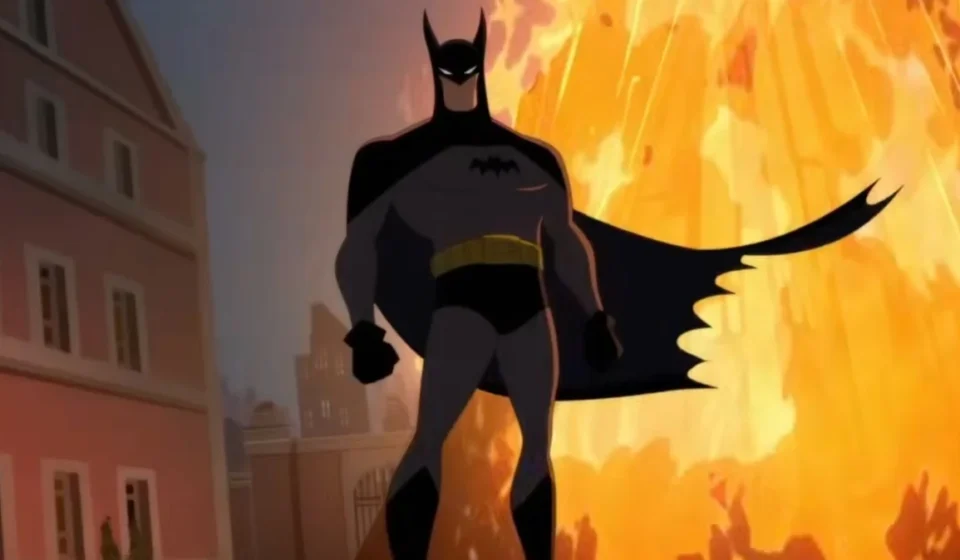
From the Shadows of 1939: Analyzing the Mad Monk’s Debut in Batman: Caped Crusader Season 2

Note: This article contains significant spoilers for "Batman: Caped Crusader" Season 2, Episode 4, "The Devil’s Due."
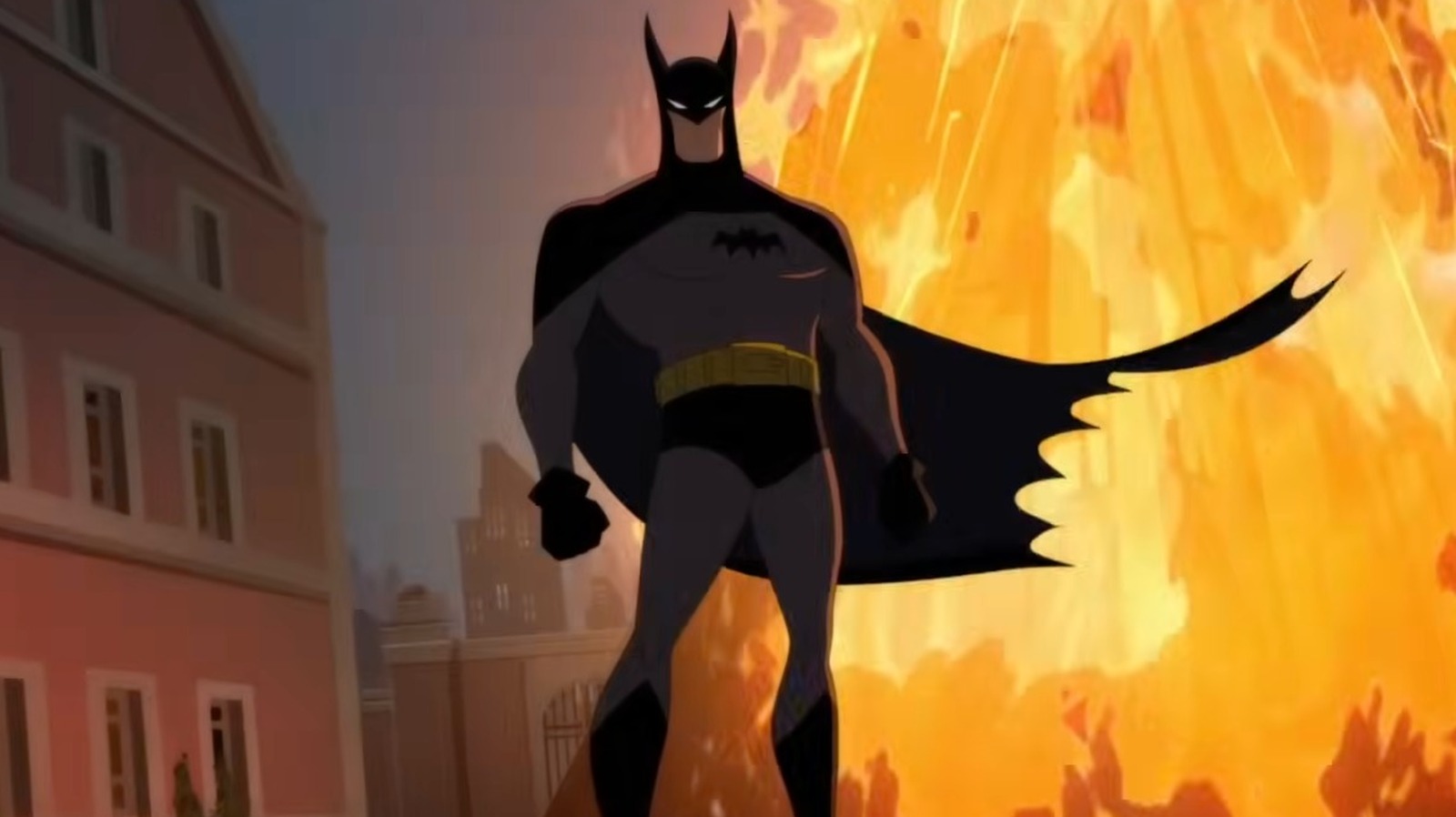
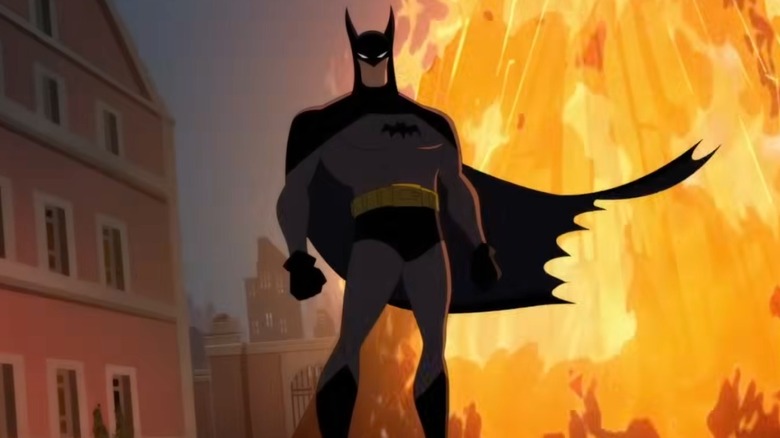
The second season of Prime Video’s Batman: Caped Crusader continues its ambitious project of recontextualizing the Dark Knight’s earliest comic book origins for a modern, mature audience. By leaning into the noir aesthetic and the pulp-fiction roots of the 1940s, the series has carved out a unique space in the crowded landscape of DC animation. However, its most recent foray into deep-cut lore—the introduction of the "Mad Monk"—marks a significant milestone in the show’s commitment to honoring the character’s legacy while subverting fan expectations.
Main Facts: The Return of a Forgotten Villain
In the episode "The Devil’s Due," the series introduces the Mad Monk, a character who predates the debut of iconic villains like the Joker and the Riddler. Making his first appearance in 1939’s Detective Comics #31, the Monk is one of the oldest antagonists in the Batman mythos. Despite his historical significance, the character has remained largely absent from animated adaptations, largely due to his origins as a supernatural, horror-centric threat—a tone that Caped Crusader is uniquely equipped to handle.
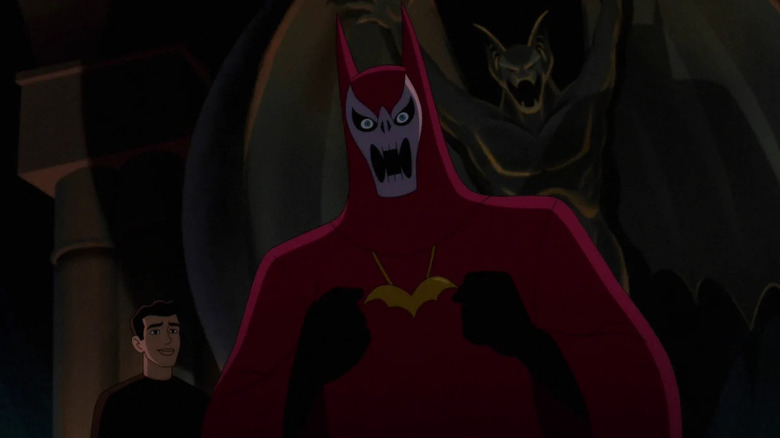
Voiced by Blythe Melin, the Monk is portrayed as a charismatic, fanatical cult leader who exploits the desperate and the lost. Unlike his comic book counterpart, who was depicted as a literal vampire, the version seen in Caped Crusader functions as a psychological predator. He uses the promise of spiritual salvation and the worship of the "bat god" Barbatos to manipulate his followers, all while wearing robes adorned with bat-like motifs that mirror the Dark Knight’s own silhouette.
A Chronological Perspective: From Vampire to Charlatan
To understand the significance of the Mad Monk’s appearance, one must look back at the chaotic, experimental landscape of the late 1930s.
The 1939 Origins
When Bob Kane, Gardner Fox, and Sheldon Moldoff created the Mad Monk for Detective Comics #31-32, the Batman archetype was still in its infancy. In these early tales, the Monk was a supernatural force—a vampire capable of shifting into a wolf. Notably, the Batman of 1939 was a far more lethal vigilante than the modern iteration. In a historic moment of comic book brutality, Batman famously dispatched the Monk by shooting him with a silver bullet. This was an era where the "no-kill" rule had yet to be fully codified, and characters like the Joker were initially designed as "one-and-done" villains intended to meet their demise shortly after their introduction.
The 2006 Revision
The character saw a modern resurgence in the 2006-2007 limited series Batman: The Mad Monk by writer and artist Matt Wagner. Wagner’s take was more ambiguous, leaning into the tension between the supernatural and the grounded. In this version, the Monk—possibly a man named Richard Rallstone—may have been a con artist or a victim of true demonic possession. The ambiguity of the character in Wagner’s run allowed for a more nuanced reading of the villain, which Caped Crusader has clearly utilized as a narrative blueprint.
The Caped Crusader Interpretation
By moving away from the overt vampirism of the 1930s, Caped Crusader pivots to a more modern, grounded horror: the exploitation of faith. The Monk in the show is a fraud. He does not believe in Barbatos; he believes in the power of the grift. His attempts to bring Batman into the fold—or to use the vigilante’s blood to "summon" his god—are revealed to be elaborate theatrical performances designed to cement his authority over his cult.
Supporting Data: The Legend of Barbatos
While the Mad Monk is a charlatan in Caped Crusader, the entity he invokes, Barbatos, is a cornerstone of deep-lore DC history. The show uses the name as a bridge between the historical Batman and the modern supernatural threats introduced in recent comic runs.
The true origins of Barbatos lie in the critically acclaimed arc "Batman: Dark Knight, Dark City" (1990), written by Peter Milligan. In this narrative, 18th-century cultists attempted to summon a bat-demon to secure power for the founding of Gotham City. The ritual failed, but the entity remained, trapped in the city’s foundations. This lore suggests that the very geography and history of Gotham were curated by this demonic force to eventually produce Batman.
Caped Crusader wisely chooses not to confirm the physical existence of a demon, but rather to use the belief in Barbatos to drive the episode’s plot. By doing so, the show highlights how urban legends can be weaponized in a city as traumatized as Gotham.
Implications: The Dangers of Demagoguery
The most poignant aspect of "The Devil’s Due" is its social commentary. By pitting the Mad Monk against characters like Hattie Tetch (voiced by Laraine Newman), a sensationalist media personality, the show draws a parallel between religious fanaticism and mass media manipulation.
The Media as a Weapon
Hattie Tetch serves as the modern face of the Monk’s ancient evil. While the Monk uses religious fervor to recruit his followers, Tetch uses the airwaves to stoke fear and hatred against Batman. Both characters are "con artists" in their own right—one operating in the shadows of an alleyway, the other under the bright lights of a television studio.
The Verdict on Human Nature
The episode ultimately argues that the most dangerous forces in Gotham are not the ones that can shapeshift or fly, but those who can manipulate the public psyche. The Monk’s death at the hands of his own "true believers"—followers who actually bought into his lies—serves as a cautionary tale. It suggests that when a demagogue creates a monster, they often become the first casualty of their own creation.
Conclusion: A New Direction for Batman Animation
Batman: Caped Crusader continues to distinguish itself by stripping away the "superhero" tropes and focusing on the "noir" and "horror" elements that defined the character’s earliest days. By choosing to adapt a villain as obscure as the Mad Monk, the show proves that it is not interested in merely recycling the greatest hits of the Rogues Gallery. Instead, it is interested in exploring the foundational anxieties of Gotham—the fear of the dark, the dangers of blind faith, and the fragility of truth in an age of misinformation.
As the series moves forward, it remains to be seen if it will continue to pull from the archives of the 1930s. However, if the Mad Monk is any indication, the show’s producers have a deep respect for the history of the medium, even as they work to reshape it for a new generation. Batman: Caped Crusader isn’t just telling a story about a man in a bat suit; it’s telling a story about the shadows that have followed him since his very first panel in 1939.