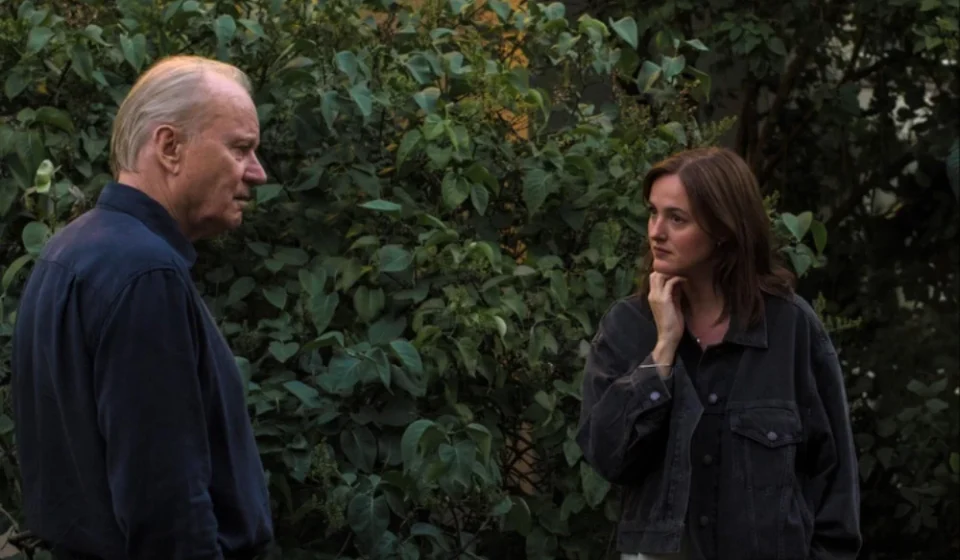

The landscape of contemporary Northern European cinema is defined by its ability to balance stark, unflinching realism with profound emotional resonance. This week, at the prestigious Norwegian International Film Festival in Haugesund, the jury for the 2026 Nordic Council Film Prize officially unveiled the six films competing for one of the region’s most coveted cultural accolades.
The selection, which includes five feature films and one documentary, represents the pinnacle of Nordic storytelling, spanning from the deeply personal explorations of family dynamics to the rebellious spirit of DIY music culture. With the winner set to be announced on October 20, the industry is buzzing with anticipation over which of these cinematic gems will walk away with the 300,000 Danish kroner prize—a reward shared equally among the director, screenwriter, and producer to honor the collaborative nature of the medium.
A Legacy of Excellence: The Main Contenders
The 2026 shortlist is a blend of established auteurs and daring new voices. The jury—comprising Jacob Ludvigsen, Jan Berg Jørgensen, Marjo Pipinen, Jóna Finnsdóttir, Anne Gjelsvik, and Jonas Holmberg—has selected a slate that reflects the diverse geographic and thematic scope of the Nordic nations.
Among the frontrunners are two films that have already garnered significant international acclaim: Joachim Trier’s Oscar-winning Sentimental Value and Hlynur Pálmason’s The Love That Remains. Both directors have solidified their reputations as masters of the craft, and their presence on the list was widely expected by critics who have followed their festival success over the past year.
However, the nomination of Jeanette Nordahl’s Beginnings, Búi Dam’s Birita, Lauri-Matti Parppei’s A Light That Never Goes Out, and Maria Eriksson-Hecht’s Kevlar Soul proves that the jury was intent on highlighting works that challenge conventional narratives and push the boundaries of visual storytelling.
Chronology and Context: The Road to Haugesund
The Nordic Council Film Prize has long served as a bellwether for the health of the Scandinavian and Nordic film industries. Established to foster a sense of cultural unity and creative exchange, the prize honors films that demonstrate a high degree of artistic quality and a strong rootedness in Nordic culture.
The selection process is rigorous, involving a rotating jury of experts who scour the region for films that have secured theatrical distribution within the qualifying period. This year’s announcement in Haugesund marked the culmination of a year of intense viewing and deliberation.

The Nominations at a Glance
- "Beginnings" (Denmark): Directed by Jeanette Nordahl, this poignant drama stars Trine Dyrholm and David Dencik as a couple whose marriage is effectively over—until a sudden, life-altering stroke forces them into a harrowing new reality.
- "Birita" (Faroe Islands): The sole documentary in the race, Búi Dam’s film is a deeply intimate portrait of his mother, an actress, and the complexities of their relationship.
- "Kevlar Soul" (Sweden): Directed by Maria Eriksson-Hecht, this intense drama explores the long-term psychological impact of an abusive, alcoholic upbringing on two brothers.
- "A Light That Never Goes Out" (Finland): A vibrant, music-heavy drama from Lauri-Matti Parppei that chronicles the formation of an experimental "paramilitary noise art collective."
- "The Love That Remains" (Iceland/Denmark): Hlynur Pálmason’s latest exploration of human connection, which has captivated audiences worldwide.
- "Sentimental Value" (Norway): Joachim Trier’s latest triumph, already an Oscar winner, which continues his streak of nuanced, character-driven narratives.
Deconstructing the Narratives: Directorial Insights
The strength of the 2026 slate lies in the specificity of its stories. For many of the directors, the nomination is not merely a professional milestone but a validation of their personal creative risks.
Jeanette Nordahl, discussing Beginnings, emphasized the importance of objective observation. "We wanted to explore the absolute loss of control, seen from all perspectives within a family," she noted. "Our intention was to tell this story without sentimentality or judgment, focusing on the simple, everyday situations that might feel familiar. So many families find themselves in this type of conflict, and we wanted to give them a film in which they could feel seen and validated."
For Búi Dam, Birita represents a significant moment for Faroese cinema. "Making this film about my mother has been a journey of joy, love, and discovery," Dam explained. "But the nomination is important for another reason. The Faroe Islands have long stood on the periphery of the Nordic community. As we move towards independence, it feels vital that we carve out a clear place for our own voice, our language, and our culture. In that sense, this film is rebellious—just like my mother."
Lauri-Matti Parppei, whose film A Light That Never Goes Out took home top honors at the Jussi Awards, expressed a sense of humbleness regarding his place in the Nordic canon. "My background is in the Finnish underground and DIY music scene. I never expected that a film based on those experiences would touch people around the world," he said. "As a Finn, I’ve always admired Nordic filmmakers. To be nominated alongside the works of my colleagues feels like I might finally be a ‘real’ Nordic filmmaker myself."
The Weight of the Prize: Supporting Data and Structure
The Nordic Council Film Prize is more than just a trophy; it is a financial and cultural investment. The 300,000 DKK award, which is split equally between the director, the screenwriter, and the producer, is a deliberate structural choice. It highlights the reality that filmmaking is, at its core, a triad of creative and logistical effort. By rewarding the team rather than an individual, the Nordic Council reinforces the philosophy that a film’s success is the result of a symbiotic, multi-faceted collaboration.
It is worth noting that for the 2026 cycle, Greenland did not submit a film, highlighting the ongoing volatility in national production schedules and the shifting priorities of smaller cinematic hubs within the region. Despite this, the diversity of the current list—ranging from the high-octane DIY spirit of Finland to the quiet, domestic turmoil of Denmark—demonstrates that the Nordic region remains a powerhouse of independent cinema.
Implications: A Future for Nordic Cinema
As the industry looks toward the October 20 announcement, the implications of these nominations are far-reaching. For Maria Eriksson-Hecht, whose Kevlar Soul tackles the heavy themes of childhood trauma, the nomination serves as a bridge to a wider audience. "Being selected as Sweden’s entry means a great deal to everyone involved," she stated. "We hope this recognition will help more people discover the film and bring new attention to its themes."

The broader trend emerging from the 2026 selections is a move toward "radical empathy." Whether it is through the lens of a documentary about a mother or a fictionalized account of a failing marriage, these films are stripping away the veneer of the "Nordic Noir" stereotype that has dominated international perceptions for decades. Instead, they are replacing it with a more nuanced, intimate, and often more fragile form of storytelling.
These films suggest that the future of Nordic cinema lies in the domestic and the underground—in the quiet corners of family life and the loud, chaotic spaces of artistic subcultures. By celebrating these films, the Nordic Council is not only rewarding artistic merit but also signaling to the global market that Nordic cinema is ready to evolve beyond its traditional tropes.
Conclusion: The October Countdown
As the dust settles in Haugesund and the films begin their journey toward the final ceremony, the conversation has shifted from "who will win" to "what does this win mean for the industry?" The 2026 Nordic Council Film Prize is shaping up to be one of the most competitive in recent memory.
With a jury that has clearly prioritized thematic boldness and emotional authenticity, the eventual winner will carry the weight of an entire region’s creative aspirations. Whether the prize goes to a veteran like Joachim Trier or an emerging talent like Búi Dam, the true winners are the audiences who will, through this spotlight, be granted access to these profound, challenging, and deeply human stories.
As we await the final decision on October 20, one thing is certain: the Nordic cinematic spirit is alive, well, and more rebellious than ever. The films nominated this year are not just pieces of media to be consumed; they are vital contributions to a growing, evolving, and essential conversation about what it means to live, suffer, and create in the North.