A Global Lens on the Red Sea: El Gouna Film Festival Unveils Prestigious Initial Lineup for Ninth Edition

The El Gouna Film Festival (GFF), Egypt’s premier cinematic gathering, has officially pulled back the curtain on the first ten titles selected for its highly anticipated ninth edition. Scheduled to take place from October 15 to 23, the festival will once again transform the picturesque Red Sea resort town of El Gouna into a vibrant hub of international culture, high-stakes storytelling, and industry discourse.
The initial announcement, which features a robust selection of films curated from the most prestigious global festivals—including Cannes, Berlin, Sundance, and Karlovy Vary—highlights the festival’s enduring commitment to bridging the gap between established auteurs and emerging voices. As the organization prepares for its ninth outing, this preliminary list serves as a bold mission statement for what promises to be one of the most intellectually rigorous editions in the festival’s history.
A Curatorial Masterclass: The First Ten Selections
The selection process for the ninth edition of the GFF reflects a deliberate effort to showcase films that confront the complexities of the human condition, from the intimate dynamics of domestic life to the harrowing realities of geopolitical conflict.
The Auteur-Driven Dramas
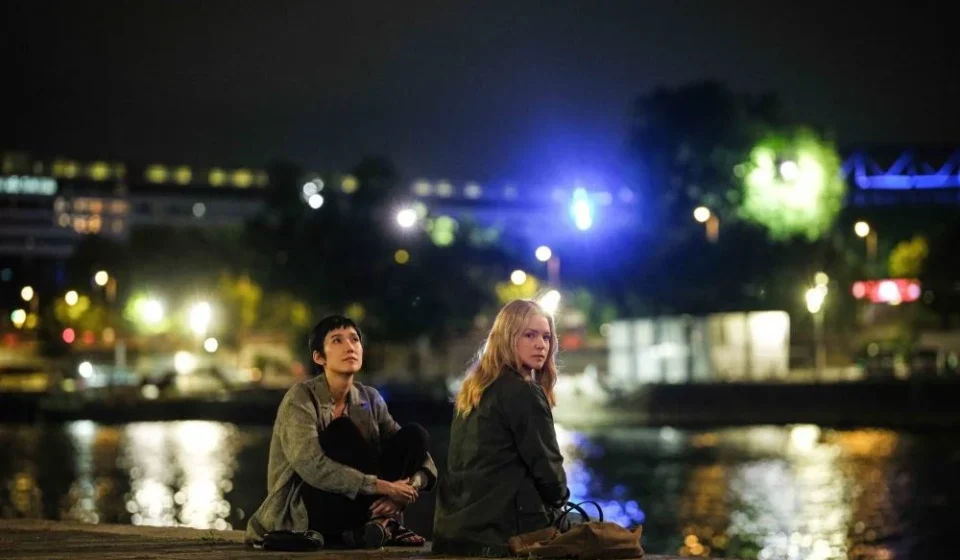
Among the most anticipated entries is Hamaguchi Ryusuke’s All of a Sudden. A sprawling French-Japanese-German-Belgian co-production, the film stars Virginie Efira as a dedicated nursing home director in the Parisian suburbs whose life is irrevocably altered by a confrontation with a terminally ill Japanese playwright, portrayed by Okamoto Tao. The film, which garnered a prestigious Best Actress prize for its leads at Cannes, is a meditation on mortality and the necessity of humane care in an increasingly clinical world.
Equally significant is Fatherland, the latest project from Pawel Pawlikowski, the visionary director behind the Oscar-winning Ida and Cold War. This German-Polish-Italian-French production stars Sandra Hüller and Hanns Zischler as Erika and Thomas Mann. Set against the backdrop of a fractured, post-war Europe, the film captures the couple on a transformative road trip, a narrative choice that earned Pawlikowski a shared Best Director prize at Cannes.
Rounding out the high-profile narrative entries is Rose, directed by Markus Schleinzer. As Austria’s official submission for the 2027 Academy Awards, the film features a powerhouse performance by Sandra Hüller, who secured a Silver Bear at the Berlinale for her portrayal. The narrative—a tense, layered story of a stranger infiltrating a war-torn village under false pretenses—is expected to be a major talking point in El Gouna’s industry forums.
Documentaries of Consequence
The festival’s documentary strand remains a cornerstone of its identity. American Doctor, directed by Poh Si Teng, offers an unflinching look at the medical crisis in Gaza. The film follows three American doctors of diverse backgrounds who risk their lives to provide care and expose systemic truths in the conflict zone. Teng, an Emmy-winning producer known for St. Louis Superman, has crafted a film that has already garnered significant acclaim, including the Amnesty International Award and the Peter Wintonick Audience Award at the Thessaloniki International Documentary Festival.
Similarly, Who Killed Alex Odeh?—directed by William Lafi Youmans and Jason Osder—reopens one of the most chilling cold cases in American history. By investigating the bombing that killed Palestinian American community leader Alex Odeh four decades ago, the filmmakers combine investigative journalism with cinematic urgency. The film’s success at Sundance, where it took home the Jury Award for Journalistic Excellence, underscores the festival’s dedication to films that act as historical corrective lenses.
Chronology and Context: Building a Legacy
The El Gouna Film Festival was established with the explicit goal of fostering dialogue through film, particularly between the Arab world and the international community. Over the past nine years, the festival has evolved from an ambitious regional project into a mandatory stop on the global film circuit.
- Foundation and Early Years: In its inaugural editions, GFF focused on establishing its physical infrastructure in the resort town of El Gouna, ensuring that the luxury setting served as a functional backdrop for high-level industry networking and public screenings.
- The Pivot to Global Recognition: By its fifth and sixth editions, the festival began to consistently secure premieres that had previously been the exclusive domain of the "Big Three" European festivals (Cannes, Venice, and Berlin).
- The 2027 Milestone: As the ninth edition approaches, the festival has solidified its role as a regional gatekeeper, often serving as the primary launchpad for international films looking to penetrate the Middle Eastern and North African (MENA) markets.
The current lineup, with its inclusion of titles like Ilker Çatak’s Yellow Letters (the Berlin Golden Bear winner), proves that El Gouna is not merely a regional venue but an international arbiter of taste. The inclusion of Yellow Letters, which examines the erosion of a marriage under state scrutiny, echoes the festival’s ongoing thematic focus on the intersection of individual freedom and state authority.
Industry Implications and Cultural Impact
The programming strategy for the ninth edition carries significant weight for the regional film industry. By placing first-time feature directors alongside masters like Pawlikowski, the festival creates an "incubation effect."
The "El Gouna Effect"
Industry analysts point to the "El Gouna Effect"—the phenomenon where international films gain significant momentum in the Arab market through GFF’s promotional engine. For films like Mads Mengel’s The Guest (a Karlovy Vary success story) or Myrsini Aristidou’s Hold Onto Me (a Sundance audience favorite), the GFF provides a platform that extends their shelf life well beyond their original festival runs.
The Role of Co-Production
The selection highlights a clear trend toward multi-national co-productions. Films like The Garden We Dreamed—a Mexico-Haiti-led production directed by Joaquín del Paso—demonstrate how modern cinema is increasingly reliant on cross-border financial and artistic cooperation. By spotlighting these films, El Gouna encourages regional producers to seek similar international partnerships, potentially boosting the quality and reach of future Egyptian and Arab-language productions.
Official Perspectives: The Vision for the Future
In a statement regarding the selection, Andrew Mohsen, the festival’s artistic director, emphasized the philosophical tethering of the films.
"These 10 films speak to each other in unexpected ways," Mohsen noted. "They explore themes of family, identity, and the quiet acts of courage required to pursue truth. That has always been the DNA of El Gouna: to bring stories from all over the world into the same room, connecting audiences and filmmakers in a space where the barriers of geography are dismantled."
Mohsen’s remarks reflect a broader strategic shift at GFF to prioritize "empathy-driven cinema." The festival is moving away from the purely commercial, instead aiming to curate a "thought-leader" experience that challenges the audience to reconcile with the complexities of the modern world.
Looking Ahead: The Road to October
As the clock ticks toward October 15, the industry is bracing for further announcements. While the initial ten titles provide a high-caliber starting point, they represent only a fraction of the total program. Industry insiders suggest that the remaining lineup will likely focus on:
- Arab-language Premieres: A significant push to highlight the best of the 2026-2027 regional output.
- Experimental and Genre Cinema: A potential expansion of the festival’s late-night programming to attract a younger, more diverse demographic.
- Sustainability Initiatives: With El Gouna being a coastal resort, the festival is expected to increase its focus on green production standards for the events and forums held during the nine-day run.
For the international community, the ninth edition of the El Gouna Film Festival is shaping up to be a critical barometer of the global state of cinema. By refusing to isolate its programming, the festival ensures that the Red Sea remains a primary site for the most important conversations in contemporary filmmaking. Whether through the lens of a family struggling with dementia in Queen at Sea or the political intrigue of Yellow Letters, the festival promises an experience that is as emotionally taxing as it is artistically rewarding.
As the program continues to unfold, the global film community will undoubtedly have its eyes on El Gouna, watching to see how these stories resonate in a landscape that is constantly shifting, yet eternally anchored by the power of the moving image.