The Great Cinematic Resurgence: How the Summer of 2026 Restored the Magic of the Movies

The flicker of the projector has never felt more vital. After years of industry-wide hand-wringing regarding the dominance of streaming, the perceived erosion of the "theatrical window," and the lingering shadows of a global pandemic, the summer of 2026 has delivered a resounding, billion-dollar rebuttal. Cinema is not just surviving; it is thriving, reclaiming its status as the heartbeat of global popular culture.
From the dizzying heights of record-breaking openings to the frantic, around-the-clock operations of local theater chains, the industry is witnessing a "monoculture" revival not seen since the unprecedented success of 2019’s Avengers: Endgame.
The Anatomy of a Record-Breaking Weekend
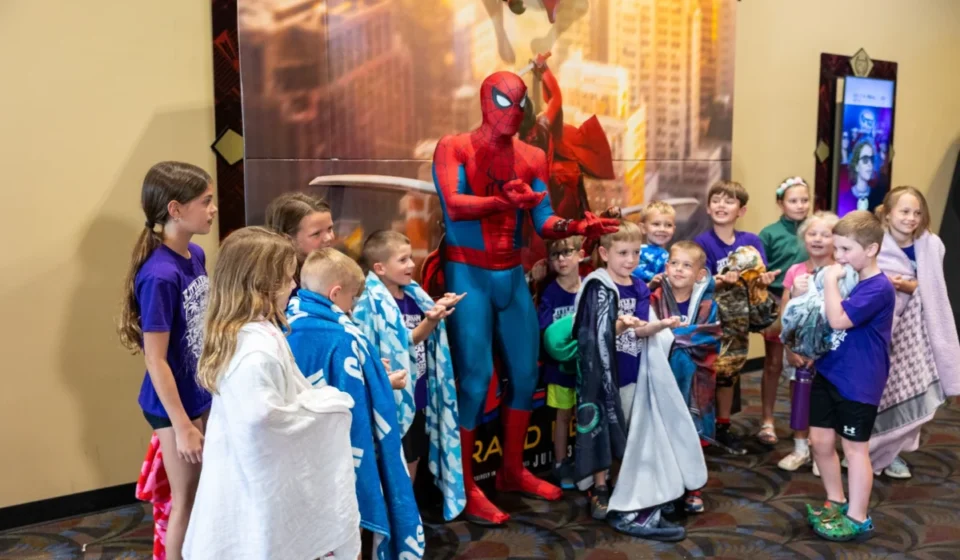
The catalyst for this renewed fervor was the explosive release of Spider-Man: Brand New Day. For Bob Bagby, CEO of the Missouri-based B&B Theatres, the weekend felt like a return to a bygone era. Bracing for the onslaught, Bagby had to warn his staff in advance: this wasn’t just a busy opening; it was a mobilization.
"We were calling managers to add show times and get employees to stay. We just kept selling out," Bagby recalls, reflecting on a schedule that featured screenings at unconventional hours like 8 a.m. and 2:30 a.m. to satisfy the insatiable demand. "Nobody had Sunday off. It was tough on the team, but they were happy to see the crowds. It’s the first time we’ve seen that level of attendance since Avengers: Endgame. I always hoped it would happen again, but it’s been a long time."
The numbers tell a story of sheer cultural force. Spider-Man: Brand New Day didn’t just meet expectations; it defied history, eclipsing Endgame’s long-standing domestic opening record with a staggering $360 million haul. Globally, the Tom Holland-led spectacle has surged to $2.078 billion, proving that when the right film hits the screen, audiences are willing to show up in droves, donning costumes, snapping photos, and engaging in the kind of collective fan experience that simply cannot be replicated on a living room sofa.
A Chronology of the Rebound
To understand the significance of this summer, one must look at the slow, arduous climb back to normalcy. Since the catastrophic closures of 2020, the film industry has been defined by fits and starts.
- 2020–2022: The "Recovery Phase," characterized by restricted capacity and a heavy reliance on a few tentpole releases.
- 2023–2024: The "Adjustment Period," where studios experimented with hybrid releases, causing friction with exhibitors and uncertainty among audiences.
- 2025: The "Foundation Year," where consistent output finally began to stabilize theater attendance.
- 2026 (The Current Moment): The "Resurgence." This summer, the market saw a confluence of high-quality, diverse, and event-level films—including The Odyssey, Toy Story 5, and Michael—that created a sustained, multi-month wave of attendance.
For Greg Heckmann, marketing director at California-based Maya Cinemas, the difference is night and day. "It finally feels like we’re back to 2019," Heckmann notes. "To have the leadup to Spider-Man with The Odyssey, Toy Story 5, Michael, Project Hail Mary, and The Super Mario Galaxy Movie—it’s been a march of billion-dollar movies."
Data Points: The Numbers Driving the Renaissance
The fiscal health of the theatrical business is best measured by its most robust metric: total box office revenue. This summer, domestic revenues eclipsed $4 billion, a threshold reached for only the second time since the onset of the pandemic.
- The Spider-Man Effect: $360 million domestic opening; $2.078 billion worldwide.
- The Odyssey Impact: Christopher Nolan’s Greek epic has become a sensation, raking in $1.29 billion globally. Notably, the IMAX format alone contributed $354 million to that total, reinforcing the argument that premium large formats (PLFs) are essential to the modern theatrical experience.
- Collective Strength: The combination of Spider-Man: Brand New Day and The Odyssey fueled the biggest collective weekend in box office history, proving that "counter-programming"—offering distinct, high-quality choices—is a viable strategy for long-term success.
Voices from the Field: The Industry Responds
The sentiment among those on the front lines is one of relief and renewed purpose. The "naysayers" who predicted the end of the cinema have been silenced by the sheer volume of ticket sales.

Anne Hathaway, the reigning queen of this summer’s box office with roles in The Devil Wears Prada 2, The Odyssey, and The End of Oak Street, believes the industry’s death was greatly exaggerated. "I keep hearing people say the movies are back. For me, they never went away. I was just wondering where everybody was," Hathaway remarked during a recent premiere. "I’ve met people who went to 3 a.m. screenings of The Odyssey in IMAX. It’s overwhelming. It’s a joy."
The sentiment is echoed by exhibitors who see the human element behind the data. Bob Bagby noted that during screenings of Michael, cleaning crews struggled to find gaps in the schedule because audiences were so enraptured they stayed through the end credits to dance. It is this "You gotta see it" factor that exhibitors believe is the key to longevity.
The Challenges of Consolidation
Despite the euphoria, the industry remains wary of structural changes. The ongoing saga of the Paramount-Warner Bros. merger has caused anxiety among theater owners, who fear that corporate consolidation could lead to a reduction in the number of films produced—a trend observed following the Disney-Fox merger in 2019.
However, leadership at the executive level is attempting to assuage these fears. Paramount Skydance CEO David Ellison has publicly committed to increasing output between the two combined studios, pledging a minimum of 30 films per year.
"I hope this string of releases really reinforces the value of theatrical," says Heckmann. "If studios do it right, they can make a lot of money that can’t even begin to equate to streaming."
Looking Ahead: The Path to a $10 Billion Year
As the industry transitions from the heat of summer into the crisp air of autumn, the strategy shifts from "tentpoles" to "volume." The calendar through Halloween is packed with diverse offerings: Tom Cruise’s comedy Digger, the Practical Magic sequel, the Resident Evil reboot, and the adaptation of Colleen Hoover’s Verity.
The real prize, however, lies in the holiday season. The industry is pinning its hopes on a "one-two punch" of Avengers: Doomsday and Dune: Part III, alongside Focker-in-Law, Ebenezer, and Jumanji 3. If these titles perform to expectations, the industry is on track to eclipse $10 billion in annual domestic revenue—a milestone that would solidify 2026 as the year the movies truly reclaimed their throne.
"We’re not judging ourselves in terms of keeping up the summer momentum," says Chris Randleman, Chief Revenue Officer of Flix Brewhouse. "We’re looking at whether we’re better off than we were last year. Even if it’s a low bar, we are definitely going to exceed it."
Ultimately, the summer of 2026 has taught a valuable lesson: the audience is there, the demand for communal storytelling is as strong as ever, and the theater—that dark, hallowed room where a hundred strangers share a single dream—remains the most powerful stage in the world. As the lights dim for the next blockbuster, it is clear that the future of cinema is not in the algorithm, but in the experience.