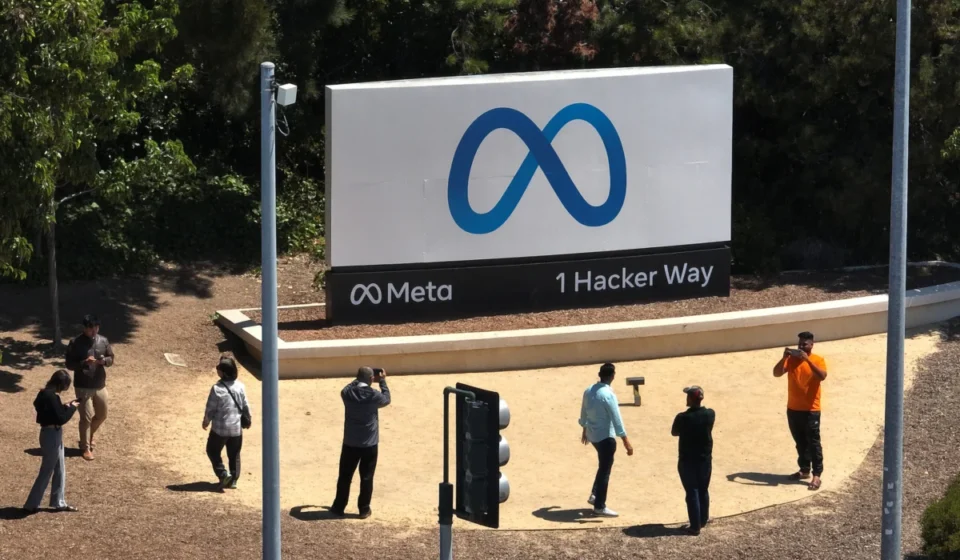

In a significant pivot underscoring the growing friction between Silicon Valley’s rapid AI development and the entertainment industry’s demand for intellectual property protections, Meta has officially decommissioned a controversial feature within its Muse AI suite. The tool, which had been rolled out to allow users to generate synthetic imagery by "@-mentioning" public Instagram accounts, was unceremoniously pulled on Friday evening following a fierce, coordinated condemnation from Hollywood’s most influential organizations, including the Creative Artists Agency (CAA) and the Screen Actors Guild-American Federation of Television and Radio Artists (SAG-AFTRA).
The removal marks a rare, swift admission of error by the tech giant, which had initially configured the tool to be active by default for all public Instagram profiles. The move highlights the mounting pressure on major AI developers to move toward "opt-in" models when utilizing the likeness, voice, or creative output of artists and public figures.
The Genesis of the Conflict: How the Feature Worked
At the heart of the controversy was a feature designed to leverage the vast library of public Instagram content to fuel Meta’s generative AI models. By tagging a public account, a user could theoretically command the AI to "remix" or reference the aesthetic, likeness, or visual output of that account to generate new, synthetic images.
Meta’s original intent, according to company spokespeople, was to provide a "useful creative tool" that would allow users to engage with content in novel ways. However, the decision to make this feature an "opt-out" mechanism—meaning every public creator was enrolled by default—immediately triggered a firestorm among those who represent the very individuals whose content forms the backbone of Instagram’s ecosystem.
Chronology of the Backlash
The timeline of the controversy was remarkably compressed, spanning less than a week from launch to total retraction:
- Early Week Launch: Meta introduces the Muse AI feature, promoting its ability to reference public Instagram accounts to generate AI content.
- Wednesday, July 8: The Creative Artists Agency (CAA) issues a blistering statement, declaring that "no one’s name, image, likeness, voice, or creative work should be used by any third party, including AI models, without clear, documented consent."
- Thursday, July 9: SAG-AFTRA joins the fray, labeling the opt-out structure an "utter miscalculation of public sentiment" and emphasizing the inherent dangers of unauthorized digital replication.
- Friday, July 10 (Morning): Media scrutiny intensifies, with industry analysts comparing the rollout to previous AI industry fiascos regarding intellectual property.
- Friday, July 10 (Evening): Meta formally announces the termination of the feature, acknowledging that the tool "missed the mark."
- Post-Announcement: CAA issues a follow-up statement commending the decision, signaling a brief detente between the agency and the tech titan.
Official Responses: The Battle for Consent
The speed with which Meta reversed course was arguably driven by the weight of the opposition. The statements from CAA and SAG-AFTRA were not merely expressions of displeasure; they were assertions of legal and ethical boundaries.
The CAA Perspective
CAA, representing thousands of actors, directors, and creators, framed the issue as a fundamental violation of property rights. Their primary contention was that the value of an artist’s work is tied to their control over its distribution and manipulation. By allowing an AI to synthesize new images based on an actor’s existing portfolio without express permission, Meta was effectively devaluing the human labor behind the content. In their Friday statement, CAA noted, "Putting individual rights and consent at the forefront is essential to building responsible technology."
The SAG-AFTRA Stance
SAG-AFTRA, which led the historic 2023 strike partly over the use of AI in film and television, viewed Meta’s move as a direct challenge to the safeguards they fought to codify. Their statement was particularly pointed, citing "obvious dangers and harms" inherent in unchecked digital replication. To the union, an opt-out system is a form of digital entrapment, placing the burden of protection on the creator rather than the developer.
Meta’s Admission
In a carefully worded statement issued Friday, Meta admitted: "Our intent was to provide a useful creative tool and to give people control over whether their public content could be referenced in this way. We’ve heard feedback that this feature missed the mark, so it’s no longer available."
Supporting Data and Industry Context
The controversy surrounding Muse AI is not an isolated incident; it represents a broader trend of AI developers "moving fast and breaking things" only to find that the "things" they are breaking are the livelihoods of creative professionals.
The OpenAI Precedent
Industry observers have drawn direct parallels to OpenAI’s rollout of its Sora video-generation model. Upon its initial unveiling, Sora was met with intense criticism for its lack of safeguards regarding intellectual property. Many users immediately demonstrated how the model could generate deepfakes of recognizable public figures and copyrighted characters. OpenAI eventually slowed the deployment, tightened its safety filters, and significantly altered its business strategy to prioritize enterprise clients over broad, consumer-facing generative tools.
The "Opt-In" vs. "Opt-Out" Debate
Data suggests that the "opt-out" paradigm is increasingly untenable for major platforms. In a digital economy where AI training datasets are becoming more scrutinized, legal experts argue that the legal burden for consent is shifting. Courts in various jurisdictions are currently litigating whether "scraping" public data for commercial AI training constitutes "fair use." Meta’s decision to remove the feature—rather than defend it in court—suggests that even the largest tech companies recognize that the legal risk of non-consensual AI usage is becoming prohibitive.
Implications: The Future of AI and Intellectual Property
The removal of the Muse feature serves as a bellwether for the future of the creator economy. Several key implications have emerged from this incident:
1. The Death of Default Enrollment
For any AI tool interacting with public figures or their likenesses, "opt-in" is likely to become the new industry standard. Platforms that continue to rely on opt-out mechanisms risk significant reputational damage and potential class-action litigation from talent agencies and unions.
2. A Shift in Power Dynamics
Hollywood’s ability to force a total reversal from a trillion-dollar company like Meta signals a shift in power. Creators and their representatives are no longer passive observers of the AI revolution; they are actively dictating the terms under which their work can be utilized. The collaboration between agencies like CAA and unions like SAG-AFTRA creates a formidable lobbying front that even the most powerful tech companies must respect.
3. The Need for "Responsible AI" Governance
The incident underscores that "responsible AI" is not just a marketing slogan but an operational necessity. Companies must integrate legal and ethical reviews into the product design phase—not after a feature has already launched and triggered a public relations crisis.
4. Enterprise vs. Consumer Models
As seen with OpenAI and now Meta, there is an increasing bifurcation in AI strategy. While companies remain eager to develop powerful generative tools, they are discovering that the consumer market is a minefield of IP issues. Consequently, we may see a retreat toward "walled garden" enterprise models, where AI tools are trained on licensed or proprietary data, shielding the developers from the legal volatility of the open web.
Conclusion
Meta’s retraction of its Muse AI feature is a significant victory for the creative community and a sobering lesson for the tech industry. It confirms that in the age of generative AI, consent is not an optional add-on—it is the foundation upon which any sustainable technology must be built.
As we move forward, the conversation between Silicon Valley and the entertainment industry will undoubtedly continue. However, the terms of that conversation have changed. The era of unilateral, unchecked extraction of creative assets for AI development is facing a major reckoning. Moving forward, the focus must shift from how quickly AI can replicate human creativity to how effectively it can be governed to protect the rights of those who created the content in the first place. Whether Meta’s decision is a permanent strategic change or a temporary tactical retreat remains to be seen, but for now, the message from Hollywood is clear: the industry will not sit idly by while its likeness and labor are used as fuel for the next generation of algorithms.