
In the vast, algorithm-driven landscape of streaming cinema, few genres are as saturated as the small-town serial killer procedural. With the release of The Whisper Man, director James Ashcroft (known for his work on The Rule of Jenny Pen) attempts to adapt Alex North’s bestselling novel into a high-stakes psychological thriller. However, for those seeking the profound, atmospheric dread of a Sharp Objects, the result is far more "airport comfort food" than high-concept prestige television. While it manages to assemble a formidable cast, the film ultimately struggles to distinguish itself from the gray, rain-slicked monotony of the typical Netflix Original.
The Premise: A Familiar Descent into Foggy Americana
The narrative follows Tom Kennedy (Adam Scott), a bereaved father and recent widower, who relocates to a quiet, atmospheric town in the Pacific Northwest. Seeking a fresh start for himself and his young son, Jake (Acston Luca Porto), Tom moves into a quintessential, Craftsman-style rental home—the kind that feels purpose-built for cinematic hauntings.
The promise of a peaceful transition is shattered when the town’s dark history resurfaces, and young Jake is abducted. The suspect? The titular "Whisper Man," a legendary serial killer whose reign of terror was supposedly ended decades ago by Tom’s estranged father, retired police officer Pete (Robert De Niro). The mystery hinges on a central, gnawing question: If the original killer is behind bars, who is terrorizing this town now? Is it a copycat, a long-hidden accomplice, or something far more unsettling?
Chronology of a Procedural: From Mystery to Mayhem
The film’s structure follows a traditional investigative trajectory, largely centered on the efforts of Tom, Pete, and local investigator Detective Miller (Michelle Monaghan) to decode the killer’s methodology.
The Setup (Act I)
The film excels at establishing its tone through visual shorthand. Cinematographer Peter Deming drenches the town in an endless, oppressive palette of gray and slate-blue, creating a sense of visual stagnation. We are introduced to the central mystery through the lens of generational trauma, as Tom is forced to reconcile his past with his father, Pete, whose presence in the film provides an anchor of veteran screen intensity.
The Investigation (Act II)
The middle portion of the film settles into the standard procedural "muck." As the trio navigates a labyrinth of red herrings and forensic dead-ends, the film relies heavily on genre tropes. A creepy, sing-song nursery rhyme—“If you leave a door half open, soon you’ll hear the whispers spoken”—serves as the killer’s calling card. While the filmmakers clearly intend for this to evoke a sense of supernatural dread, it frequently lands closer to the derivative tropes seen in films like The Snowman than the genre-defining psychological terror of The Babadook.
The Third Act (Act III)
It is only in the final act that The Whisper Man finds its pulse. As the mystery unravels, Ashcroft and writers Ben Jacoby and Chase Palmer inject a necessary dose of adrenaline into the proceedings. The transition from a slow-burn procedural to a high-tension, cat-and-mouse stalk-and-slash sequence finally allows the film to shed its "pulp-wannabe" skin, providing a visceral payoff that arguably justifies the preceding narrative stagnation.
Supporting Data: The Power of Performance
Despite the film’s narrative shortcomings, the performances serve as its primary engine. The casting of Adam Scott, Robert De Niro, and Michelle Monaghan is arguably the project’s greatest triumph.
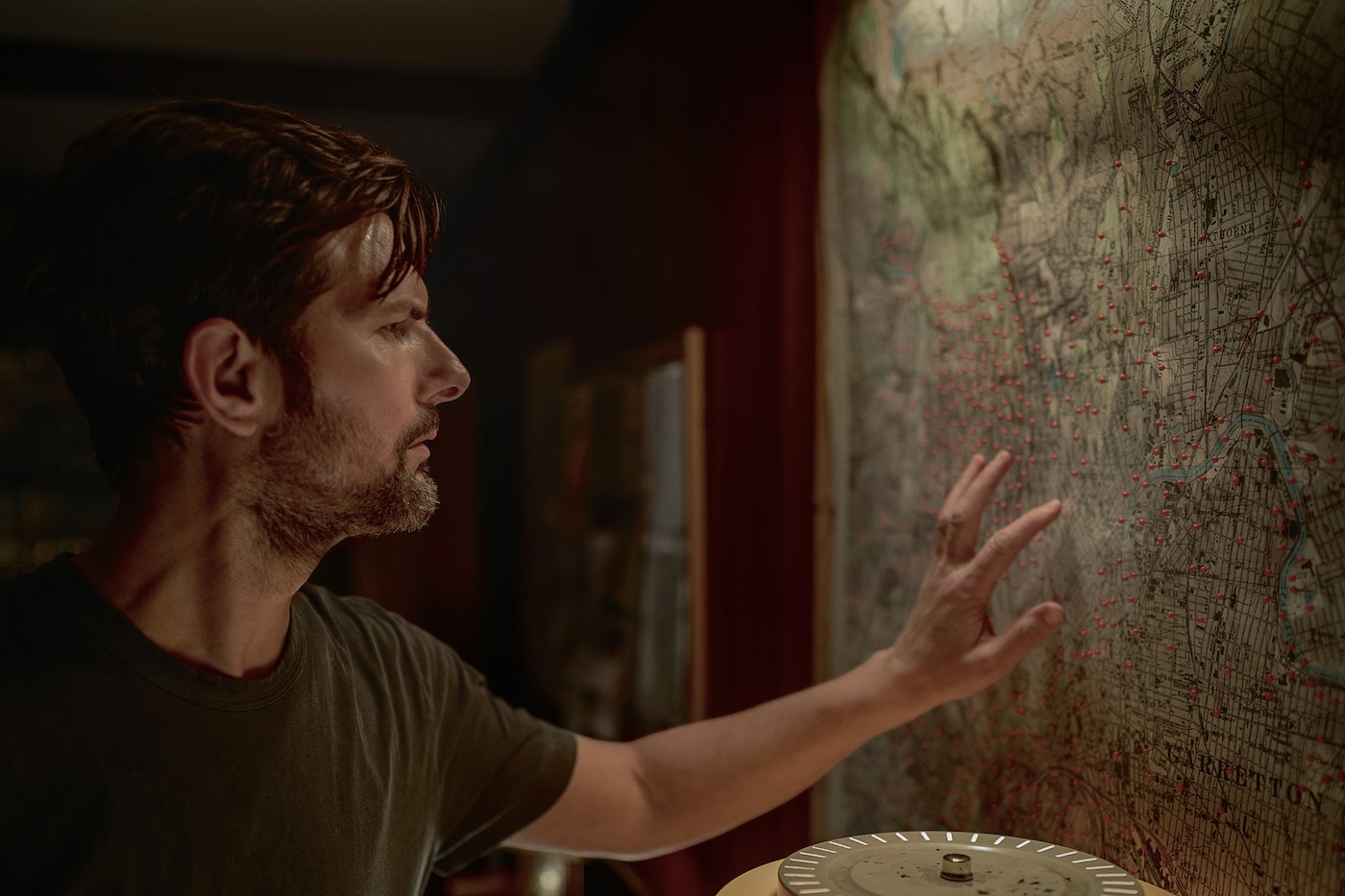
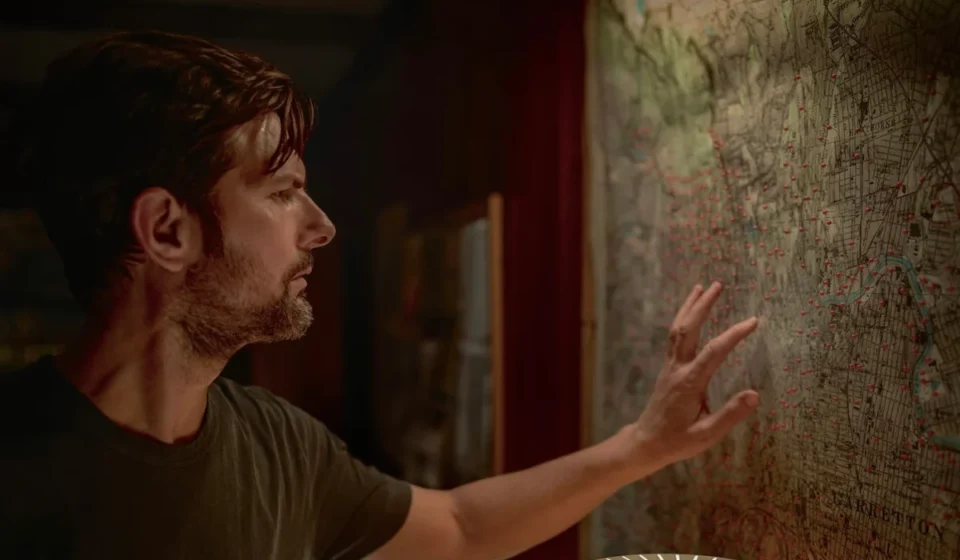
- Adam Scott: Stepping away from his usual comedic sensibilities, Scott delivers a performance of profound desperation. His portrayal of a man teetering on the edge of psychosis while navigating the wreckage of his personal life provides the film’s emotional core.
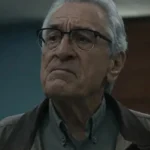
- Robert De Niro: There is a palpable relief in seeing De Niro avoid "phoning it in." His portrayal of the retired, grizzled Pete is nuanced, capturing the weight of a man whose past failures have directly manifested in his grandson’s abduction.
- Michelle Monaghan: As the detective tasked with bridging the gap between the town’s history and its current trauma, Monaghan brings a grounded, professional gravitas that prevents the more outlandish elements of the script from collapsing entirely.
Comparative Analysis: The "Sharp Objects" Benchmark
To understand the critical reception of The Whisper Man, one must examine it against the current gold standard of the genre. Gillian Flynn’s Sharp Objects, brought to life by Marti Noxon, remains the high-water mark for serial killer narratives in the 21st century.
Sharp Objects used the murder mystery not as the end goal, but as a vehicle for exploring deep, insidious character rot and community decay. The Whisper Man, by contrast, treats its murders as a mechanical plot point. It lacks the "gothic drip"—the pervasive, sticky atmosphere—that makes a story truly haunt its audience long after the credits roll. Where the former is an examination of the human condition, the latter is a well-oiled, albeit predictable, machine.
Official and Industry Responses: The Streaming Dilemma
The reception of The Whisper Man underscores a growing frustration among critics regarding the "Netflix Procedural" format. Industry analysts note that there is a distinct, algorithmic consistency to films produced under this banner: muted color palettes, high-contrast lighting, and a reliance on "creepy child" tropes.
Critics have noted that while the film takes its subject matter—the abduction of children and the obsession with true crime—with the utmost seriousness, the execution often feels like it is checking boxes on a studio-mandated list. The film’s reliance on a nebulous central mystery is a point of contention; many viewers may find the "shrug-inducing" nature of the final reveal to be an insult to the time invested in the film’s labyrinthine second act.
Implications for the Genre
What does The Whisper Man tell us about the current state of horror and thriller cinema?
- The Saturation of True Crime: The audience’s appetite for serial killer narratives has led to a market flooded with "good enough" content. The Whisper Man serves as a cautionary tale of what happens when a film prioritizes genre conventions over narrative originality.
- The Prestige Gap: There is an widening chasm between "content" and "cinema." While The Whisper Man is watchable and competently directed, it lacks the creative risk-taking required to be considered a seminal work in the genre.
- The "Airport Comfort Food" Effect: As the review suggests, this film is perfect for a rainy afternoon where the viewer desires engagement without intellectual taxation. It fulfills its duty as entertainment but fails to leave a lasting mark on the cultural landscape.
Conclusion: Is It Worth the Whisper?
Ultimately, The Whisper Man is a project defined by its contradictions. It is a film that takes its heavy subject matter seriously, yet relies on flimsy, discarded red herrings to sustain its runtime. It boasts an A-list cast that manages to elevate the material, yet they are trapped in a script that refuses to break free from the shackles of procedural predictability.
If you are a devotee of the serial killer genre, the film offers enough familiar beats to keep you engaged. If you are a newcomer, you may find the tension and the third-act stalk-and-slash dynamics to be a thrill. However, for those looking for a transformative experience—a piece of storytelling that challenges, disturbs, and lingers—you would be better served looking elsewhere. The Whisper Man is, in the end, exactly what it sounds like: a story that tells you everything you’ve already heard, in a tone you’ve already grown tired of.
Verdict: A serviceable thriller that, despite strong performances, remains hindered by its own conventionality. Watch it if you must, but don’t expect the whispers to keep you up at night.