The Unseen Lens: Paula González-Nasser’s ‘The Scout’ Offers a Poetic Look at NYC’s Hidden Interiors

By Editorial Staff
July 20, 2026
In the bustling, relentless ecosystem of New York City, the film industry often views the metropolis as a sprawling set—a collection of backdrops waiting to be captured, lit, and discarded. But what happens to the people who facilitate this transformation? Who are the individuals tasked with turning private sanctuaries into public spectacle? In her highly anticipated feature directorial debut, The Scout, filmmaker Paula González-Nasser pulls back the curtain on the ephemeral and often intrusive life of a location scout, offering a contemplative, semi-autobiographical examination of urban disconnection and the cost of artistic ambition.
Following a celebrated festival run that began at the 2025 Tribeca Film Festival, Greenwich Entertainment has finally unveiled the official trailer for the film. Set for a limited theatrical release beginning in September 2026, The Scout promises to be one of the most observant indie dramas of the year.
Main Facts: The Anatomy of an Urban Observer
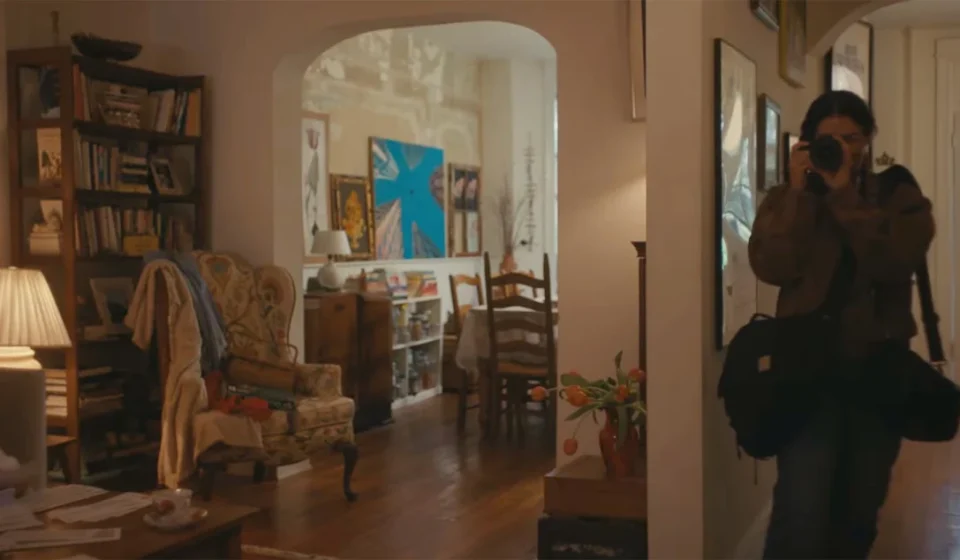
At its core, The Scout is a character study of Sofia, portrayed with grounded intensity by Mimi Davila. Sofia is a woman caught in the grinding gears of the entertainment industry, working as a location scout for a high-pressure TV pilot. Her professional mandate is simple yet profoundly invasive: to locate the specific homes, businesses, and exteriors that will serve as the canvas for a director’s vision.
As Sofia traverses the diverse boroughs of New York, the film captures the inherent friction between her professional duty and the human reality of the spaces she enters. She is a modern-day flâneur with a camera, peering into the cozy apartments and eclectic shops of strangers, effectively “scouting” the fabric of their lives. However, the film moves beyond a simple workplace drama. It is a meditation on the loneliness of the “young creative,” an individual who spends their life curating the environments of others while struggling to find a sense of permanence or identity in their own.

Alongside Davila, the film features a robust ensemble cast including Rutanya Alda, Max Rosen, Ikechukwu Ufomadu, Sarah Herrman, Alex Goldberg, Peter Mills Weiss, and Jackson Devereux, each helping to populate the fragmented, vibrant, and sometimes claustrophobic world that Sofia navigates.
Chronology: From Tribeca to Theaters
The journey of The Scout from concept to the silver screen reflects the quintessential path of a modern independent film.
- Development and Production: Drawing heavily from her own real-world experience as a location scout and manager, Paula González-Nasser developed the screenplay as a personal project. The film was produced by Ryan Martin Brown, Matthew Romanski, and González-Nasser herself, emphasizing a lean, collaborative production model that favored authenticity over spectacle.
- The Festival Circuit (2025): The project first gained significant critical traction during its premiere at the 2025 Tribeca Film Festival. Its raw, unvarnished look at the “behind-the-scenes” of the industry resonated with audiences and programmers alike. Throughout the remainder of 2025, the film traveled to several smaller, prestigious festivals, where it garnered praise for its cinematography and its sensitive, nuanced exploration of urban life.
- The Distribution Deal (2026): After a year of building word-of-mouth momentum, Greenwich Entertainment acquired the rights to the film, signaling a push for a wider, albeit curated, theatrical release.
- The Upcoming Release: The film is scheduled to make its major theatrical debut in New York City at the iconic Film Forum on September 25, 2026. This will be followed by a West Coast expansion, with a premiere at the Alamo Drafthouse in Downtown Los Angeles (DTLA) on October 2, 2026.
Supporting Data: The Craft of the Location Scout
To understand the weight of The Scout, one must understand the profession it depicts. Location scouting is a role that requires a strange duality: the scout must be empathetic enough to gain the trust of homeowners, yet cold enough to discard those same homes if they don’t fit the director’s technical needs.
The film meticulously replicates this process. In the trailer, we see Sofia navigating the logistical nightmares of erratic employers—producers who demand perfection while ignoring the human cost of the acquisition. The cinematography, which emphasizes the tight, cluttered, and intimate nature of NYC living, serves as a visual metaphor for Sofia’s own internal state.
The production design by the team mirrors the reality of real-life scouting. By choosing real, lived-in spaces rather than soundstage sets, González-Nasser ensures that the “disconnection” the character feels is palpable to the audience. The film isn’t just about finding a location; it is about the emotional exhaustion of constantly being a guest in other people’s lives.

Official Responses and Creative Intent
In various interviews throughout the festival circuit, Paula González-Nasser has been vocal about the film’s autobiographical roots. For her, the film was an exercise in processing the “poetry and costs” of the creative industry.
“The job of a location scout is inherently voyeuristic,” González-Nasser noted in a recent press statement. “You are asking people to let you into their most private spaces, only to turn those spaces into products for a TV show. There is a profound loneliness in being the person who has to bridge that gap. I wanted to capture the beauty of the city’s interiors while acknowledging the emotional toll of always being a transient observer.”
Critics who saw the film at Tribeca have lauded the performance of Mimi Davila, noting that she carries the film with a quiet, observant intensity. “Davila doesn’t just play a worker,” one critic remarked. “She plays the embodiment of a city that is constantly changing, constantly being sold, and constantly being looked at.”
Implications: A Mirror to the Industry
The Scout arrives at a time when the film industry is undergoing a period of intense self-reflection. As streaming services and large-scale productions dominate the landscape, there is a growing appetite for stories that address the reality of the labor behind the lens.
The Impact of "The Scout"
- Re-evaluating the "Indie" Spirit: By grounding her story in the specific, unglamorous mechanics of film production, González-Nasser reminds audiences that independent cinema thrives when it focuses on the people who are usually ignored.
- A Critique of Urban Gentrification: The film inadvertently touches upon the theme of gentrification. Sofia’s job is to commodify living spaces, often for productions that have no connection to the neighborhoods they occupy. This adds a layer of social commentary to the narrative: is Sofia an artist, or is she a cog in the machine that makes neighborhoods feel like backdrops?
- The Shift in Distribution: The choice of Film Forum and Alamo Drafthouse for the initial run speaks to the film’s target demographic—cinephiles, industry professionals, and those interested in the authentic NYC experience. It is a reminder that even in the age of VOD, there is still a vital space for the theatrical experience, particularly for films that demand deep, quiet contemplation.
Conclusion: A Must-Watch for the Discerning Viewer
As we move into the fall season, The Scout stands out as a unique entry in the 2026 release calendar. It is a film that refuses to offer easy answers or grand, cinematic resolutions. Instead, it offers an honest, sometimes painful, and ultimately beautiful look at the life of a woman trying to find her own ground in a city that is constantly asking her to look elsewhere.

For those who have ever walked through the streets of New York and wondered about the lives behind the glowing windows of the brownstones and high-rises, The Scout offers a key to that curiosity. It is a reminder that every space has a story, and every person tasked with finding those stories is, in their own way, looking for a place to belong.
With its September release, The Scout is poised to spark conversations about labor, art, and the personal cost of professional pursuit. It is not just a film about a job; it is a film about the struggle to maintain one’s humanity in a world that increasingly demands we treat everything—and everyone—as a location for our own stories. Whether you are a fan of independent drama or simply someone who appreciates the quiet, observational power of the medium, Paula González-Nasser’s debut is a work that demands your attention.