The Resurrected Soul of the East Village: How No Picnic Became a 40-Year Overnight Success

In the mid-1980s, the Lower East Side was a landscape of radical transition—a neighborhood defined by its grit, its creative fervor, and its precarious relationship with a rapidly encroaching real estate market. It was in this volatile environment that Phil Hartman, a downtown cinephile and the co-founder of the iconic Cajun-inspired Great Jones Cafe, decided to pour his earnings into a singular artistic vision. The result was No Picnic (1986), a noir-inflected, shaggy-dog punk comedy that would spend the next four decades largely in the shadows, only to re-emerge in 2025 as a cultural phenomenon that has out-grossed legendary staples of world cinema.
The Genesis of an Underground Classic
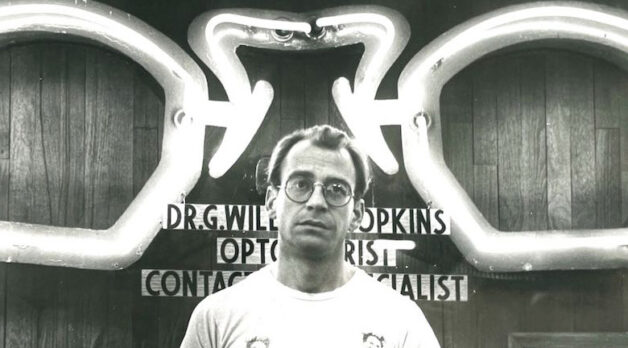
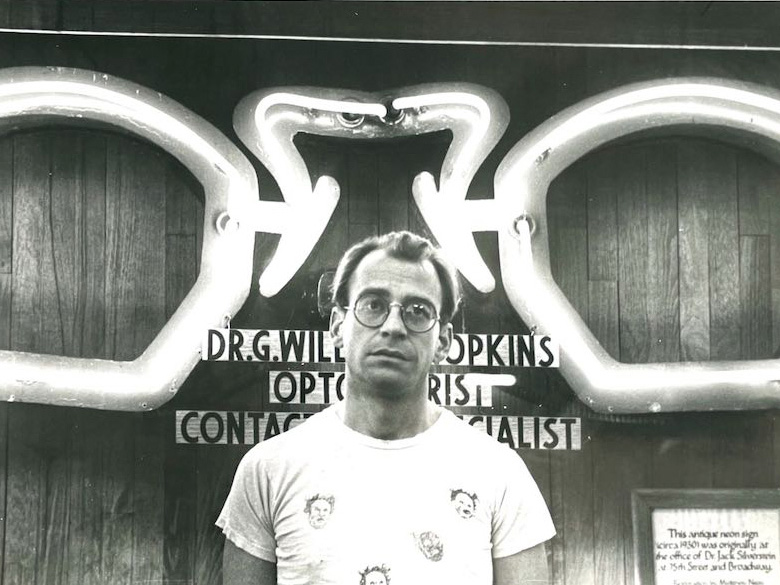
Phil Hartman’s journey into filmmaking was as unconventional as the film itself. With the proceeds from the Great Jones Cafe providing the initial capital, Hartman partnered with experimental filmmaker Peter Hutton to capture the texture of a vanishing New York. Shot on lustrous, high-contrast 16mm black-and-white film, No Picnic serves as an episodic, ethnographic love letter to the Lower East Side—specifically the enclave rebranded as the "East Village" by mid-century developers.
The film was completed in 1987, buoyed by the financial backing of Wim Wenders’ production house, Gray City Films, and bolstered by the success of Hartman’s subsequent venture, Two Boots Pizza. The production was a true collaborative effort of the downtown scene, featuring early appearances by actors who would go on to define the indie landscape, such as Luis Guzmán and Steve Buscemi, alongside filmmaker Lewis Klahr and the legendary musician Richard Hell.
"We were racing around to catch Adam Purple’s garden, Bleecker Bob Records, the Atlas Barber Shop," Hartman recalls of the production. "We knew these places were in danger of going, and we knew these people wouldn’t be around forever."
A Chronology of Neglect and Rebirth
The trajectory of No Picnic is a lesson in the mercurial nature of film distribution and cultural memory. Following a premiere at the 1987 Sundance Film Festival—where it secured the cinematography award—the film faced a series of institutional hurdles. Gray City Films shuttered before it could realize its dream of opening the film at the historic St. Mark’s Cinema. The film eventually found a temporary home at Jonas Mekas’ Anthology Film Archives, where it enjoyed a record-breaking six-week run in the summer of 1990, fueled by a glowing review from The Village Voice critic Manohla Dargis.
For the subsequent 35 years, however, No Picnic effectively vanished from the public consciousness. It lived on as a relic, available primarily on VHS or DVD at the Two Boots Video Store, a casualty of Hartman’s focus on his expanding restaurant empire and the general difficulty of maintaining independent film prints.
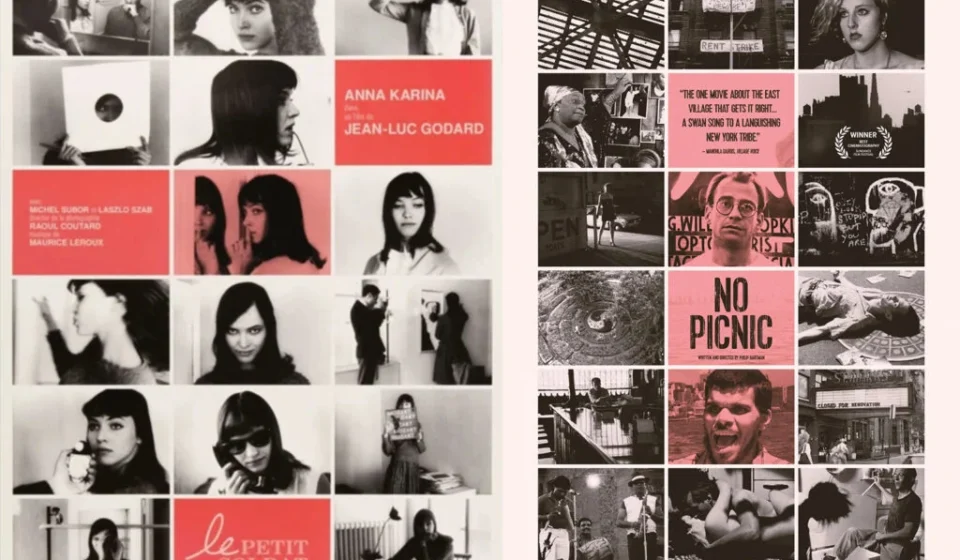
The revival began in 2025, sparked by a serendipitous chain of events. Hartman, through his association with the estate of Morris Engel—the visionary director of The Little Fugitive—was introduced to programmer Jake Perlin. Perlin, head of The Film Desk, had a personal connection to the film’s history, having studied under Peter Hutton at Bard College. Recognizing the film’s historical weight, Perlin spearheaded a meticulous restoration. The film’s "second life" began in January 2025 at the Museum of Modern Art’s "To Save and Project" series, where curator Joshua Siegel hailed it as a "priceless artifact of New York’s pre-gentrification East Village."
Supporting Data: By the Numbers
The box office performance of the restored No Picnic at the Film Forum in 2025 shattered expectations, turning a "forgotten" title into a repertory juggernaut.
- Opening Weekend (April 17, 2025): Despite being a niche release, the film nearly sold out every screening, grossing $28,000 in its first week.
- The Second Week: Momentum held, with an additional $16,000 in receipts.
- The Twelve-Week Total: The film concluded its run with a staggering $123,000 gross.
To put this in perspective, these numbers placed No Picnic ahead of legendary repertory runs at the same venue, including Federico Fellini’s 8½ ($120,000) and Akira Kurosawa’s The Seven Samurai ($103,000). It stands as a testament to the fact that, in the right context, a "lost" film can command as much, if not more, attention than established masterpieces.
Official Responses and the "Terroir" of the East Village
The critical and public response to the film’s re-release has been overwhelmingly positive, transcending mere nostalgia. Producer Christine Vachon, who worked as an uncredited assistant sound editor on the original production, notes, "It manages to be a perfect time capsule that has folded back onto this time."
For younger audiences, the film offers a window into a pre-digital urban landscape—a time of walk-up apartments, fire-escape social circles, and the eternal struggle for rent money. "We don’t really know the grounds we’re stomping on," says filmmaker Meg Aubry. "It felt like an education in New York culture."
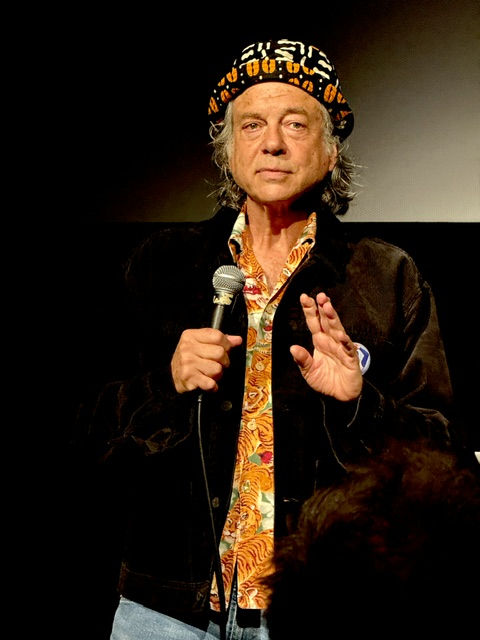
Phil Hartman himself describes the film’s quality as a form of "terroir." Much like wine, he argues, the film possesses the earthiness of its specific place and time—the rubble, the empty lots, and the raw, unpolished energy of a neighborhood under siege. "It had time to ferment," Hartman jokes. "It’s marketing genius to create something and then keep it a secret for 40 years."
Implications: Why Now?
The success of No Picnic raises profound questions about the modern audience’s relationship with history. Why is a film about 1980s urban anxiety resonating so strongly with Gen Z and Millennial viewers today?
The answer, as suggested by Manohla Dargis, lies in the "evergreen" nature of economic precarity. The film captures a world that, while physically different, mirrors the modern struggle for affordability and creative survival in a hyper-gentrified city. Mac, the film’s protagonist, is a 30-something former musician who finds himself a relic in his own home. His refrain—"The more things change, the more they change"—captures the cynical, yet deeply human, acceptance of a city that constantly consumes its own past.
Furthermore, the film’s aesthetic—the "parody noir" style—offers a refreshing contrast to the polished, algorithm-driven content of the present day. It is a "ride-along" film, driven by character and atmosphere rather than high-concept plot points. As David Brisbin, who portrayed Mac, noted, "Young people in the East Village now have a sense they missed something and want to know what that time was like."
The story of No Picnic is more than just a successful theatrical run; it is a validation of the importance of film preservation. By connecting the history of the Lower East Side to the present-day struggles of its residents, the film has bridged a generational divide. It serves as a reminder that the "rubble" of the past, if properly cared for, can provide the foundation for a vibrant and vital future. Whether through the lens of a historical document or as a piece of pure, character-driven entertainment, No Picnic has proven that the most compelling stories are often those that have been waiting patiently for the world to catch up.