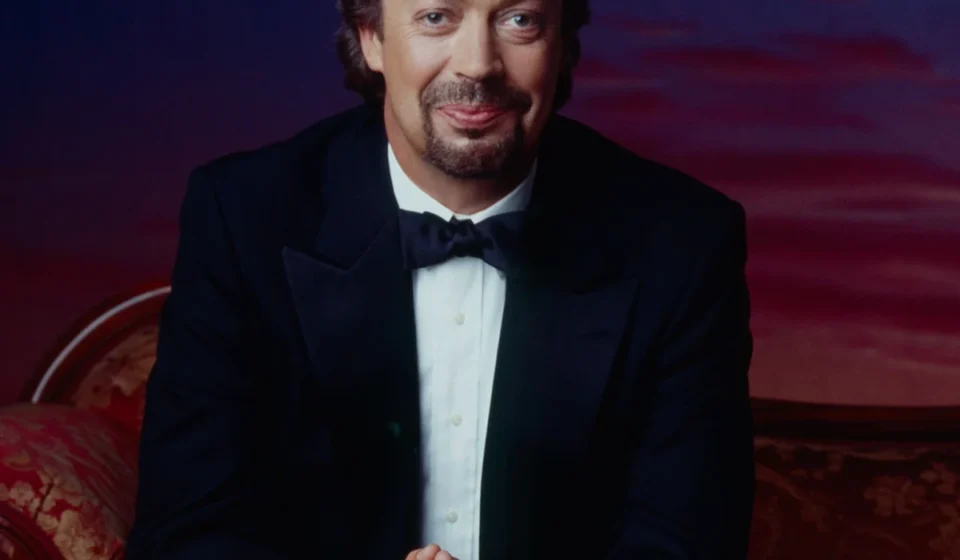

The world of entertainment lost one of its most charismatic and versatile performers on August 25, when Tim Curry, the legendary star of The Rocky Horror Picture Show and Clue, passed away at the age of 80. Following a week of mourning from fans and colleagues alike, official documentation from the Los Angeles County Department of Public Health has provided clarity regarding the circumstances of his death, marking the end of a storied career that spanned over five decades.
The Official Cause of Death: Medical Findings
According to public health records, the primary cause of Tim Curry’s death has been attributed to coronary artery disease. While this condition served as the underlying cause, the medical report also identified secondary factors that played a role in the actor’s declining health. Specifically, doctors noted that the long-term impacts of a major stroke suffered in 2011, combined with a battle against kidney cancer, were significant contributing conditions.
For those who followed Curry’s health journey over the last decade, these findings offer a clearer picture of the physical challenges the actor faced. The revelations underscore the resilience he displayed while navigating the complexities of post-stroke recovery, a period during which he remained remarkably candid with both his fans and the media.
A Life of Performance: A Chronology of Stardom
Born in Cheshire, England, in 1946, Timothy James Curry displayed a flair for the dramatic from a young age. His journey to international stardom was paved with theater credits before he landed the role that would define his legacy: Dr. Frank-N-Furter in the 1975 cult classic The Rocky Horror Picture Show.
The Rise of a Cult Icon (1970s–1980s)
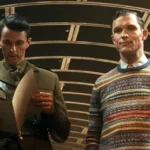
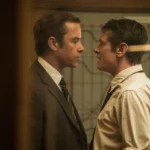
The mid-1970s saw Curry redefine the boundaries of performance. His portrayal of the "Sweet Transvestite from Transsexual, Transylvania" remains a cornerstone of queer cinema and counterculture history. This era also established his reputation as a master of character acting, eventually leading to his iconic turn as Wadsworth in the 1985 mystery-comedy Clue. Throughout the 1980s, Curry continued to showcase his range, moving seamlessly from stage roles in the West End and on Broadway to blockbuster films like Annie (1982) and Legend (1985).
Diversification and Voice Acting (1990s–2000s)
In the 1990s, Curry cemented his place in pop culture history through villainous roles and legendary voice work. His chilling performance as Pennywise the Dancing Clown in the 1990 miniseries IT remains a benchmark for horror performance. Simultaneously, he became a fixture in the world of animation, providing the voice for characters in The Wild Thornberrys, Darkwing Duck, and Peter Pan and the Pirates, the latter of which earned him a Daytime Emmy Award.
The Turning Point: The 2011 Stroke
In 2011, the trajectory of Curry’s life shifted abruptly when he suffered a severe stroke. The medical event required emergency surgery and fundamentally altered his physical capabilities. As Curry later revealed, the experience was profoundly disorienting. During a 2025 interview with CBS Sunday Morning, he recounted the moment of the stroke with haunting clarity: "I was actually having a massage, and the guy who was giving me a massage said, ‘I’m worried about you. I think we should call a doctor.’ I felt fine. I had no symptoms I was aware of. I wasn’t in pain."
The recovery was arduous. Curry had to relearn how to speak, a process he described as "very weird" and deeply frustrating. The stroke also resulted in the paralysis of the left side of his face and significant mobility issues, which limited his ability to perform in the physical manner he had become known for throughout his youth.
Supporting Data: The Impact of Physical Limitations
The latter years of Curry’s life were characterized by his transition from a high-energy performer to an icon who relied on his wit and voice. His mobility issues, which kept him in a wheelchair for his later years, were not something he hid; rather, he addressed them with characteristic humor.
At a special 50th-anniversary screening of The Rocky Horror Picture Show in September 2024, Curry spoke openly about his state of health. "I still can’t walk, which is why I’m in this silly chair," he remarked, his voice retaining the dry, theatrical charm that made him a beloved interview subject. "That’s very limiting. I won’t be singing and I won’t be dancing very soon. I still have real problems with my left leg."
Despite these limitations, the statistical record of his work continued to grow. Even after his mobility was restricted, Curry remained active in voice acting, lending his distinctively rich, textured voice to projects that required the gravity and humor only he could provide.
Official Responses and Public Sentiment
The news of his passing triggered an outpouring of tributes from across the globe. Industry peers, former co-stars, and fans took to social media to express the profound influence Curry had on their lives.
Many noted that while his health had been a concern for years, the sheer volume of his contributions to cinema, stage, and music made the loss feel sudden. Critics praised his bravery in continuing to make public appearances, noting that his presence at conventions and screenings provided a sense of continuity for fans who had grown up with his work.
The Los Angeles County Department of Public Health’s disclosure of his medical history has served to clarify the narrative of his final years, emphasizing that while he suffered from serious chronic conditions, he managed his health with a dignity that was reflective of his life in the public eye.
Implications: The Legacy of a Master Craftsman
Tim Curry’s legacy extends far beyond the specific roles he played. His impact lies in the way he normalized eccentricity in mainstream media and his unwavering commitment to his craft. He was an actor who refused to be pigeonholed, transitioning from campy musical comedy to high-stakes horror and family-friendly animation with equal ease.
Redefining the Villain
Perhaps his most significant contribution was his ability to make the "villain" figure compelling. Whether as Frank-N-Furter, Pennywise, or the sinister Cardinal Richelieu in The Three Musketeers, Curry possessed an uncanny ability to bring a sense of menace and humanity to his characters. This created a template for future character actors to follow, emphasizing that the most memorable performances are those that embrace complexity over stereotype.
A Candid View on Mortality
In his final months, Curry’s perspective on his own mortality provided a poignant conclusion to his public narrative. His philosophy—that he didn’t fear death but rather sought to "earn it"—offered a final look into the mind of a man who viewed his life as a complete, well-toured stage. He did not ask for pity, but rather for an understanding of the cycle of life. "I think it may be very comforting to go bye-bye," he shared, leaving behind a sentiment that resonates with the thousands of fans who now mourn his absence.
Conclusion: An Indelible Mark
As the industry reflects on the passing of Tim Curry, the focus remains on the immense body of work he left behind. The confirmation of his cause of death serves as a final footnote in a story that was defined by artistic triumph, personal endurance, and a refusal to fade into the background.
From the stages of London’s West End to the silver screen, Curry’s voice, wit, and presence shaped the cultural landscape of the late 20th and early 21st centuries. He was more than an actor; he was an architect of memories. While his physical presence has departed, the characters he brought to life remain immortal, ensuring that the man who taught the world to "do the Time Warp" will continue to be celebrated for generations to come. He lived his life on his own terms, and in the end, he exited the stage with the same grace and dry humor that defined his extraordinary career.