
The 1970s are frequently mythologized as the "Golden Age" of the American sitcom. It was a decade of unprecedented creative risk-taking, giving birth to cultural pillars like All in the Family, The Mary Tyler Moore Show, The Jeffersons, and the educational powerhouse Sesame Street. These programs didn’t just provide entertainment; they established the narrative architecture for the modern multi-camera sitcom.
Today, thanks to the rise of nostalgia-driven cable networks like MeTV and the proliferation of FAST (Free Ad-supported Streaming TV) services like PlutoTV and Tubi, audiences have easier access to these classics than ever before. Yet, there exists a shadow archive of television history—shows that were either too ahead of their time, unfairly maligned, or stifled by poor scheduling. These "forgotten" gems are not merely curiosities; they are vital documents of a changing society, often tackling themes that feel remarkably relevant to today’s streaming-saturated landscape.
1. Phyllis: The Spinoff That Could Have Been a Titan
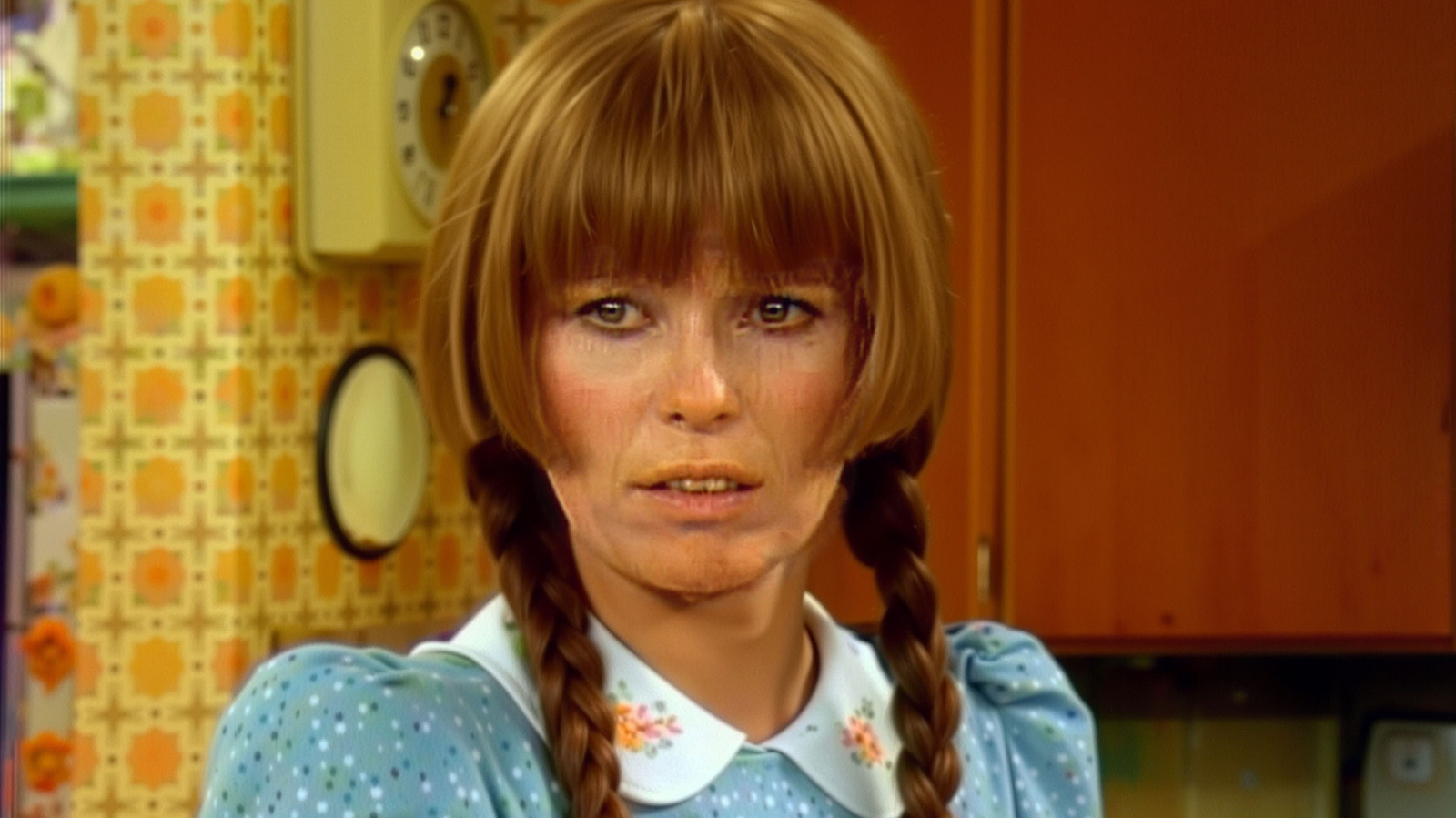
Following the conclusion of The Mary Tyler Moore Show, the spin-off landscape was fertile ground. While Rhoda achieved massive success, the other primary offshoot, Phyllis, is often relegated to a footnote. Starring the incomparable Cloris Leachman as the titular character, the series followed Phyllis Lindstrom as she relocated to San Francisco after the death of her husband, Lars.
Chronology and Performance
Debuting in 1975, Phyllis was an immediate sensation. In its freshman season, the show outperformed both its parent show, The Mary Tyler Moore Show, and its sibling spin-off, Rhoda, in the Nielsen ratings. Leachman’s performance was hailed as a tour-de-force, earning her a Golden Globe for Best Lead Actress in a Comedy Series. The premise—a high-society woman forced into the working world as a single mother—offered a perfect "fish-out-of-water" dynamic.
The Downfall
Despite its early dominance, the series suffered a precipitous decline during its second season. The primary antagonist was not bad writing, but rather the juggernaut Little House on the Prairie, which began to capture the family-oriented viewership that had previously tuned into Phyllis. The show was canceled in 1977. Today, it remains frustratingly absent from official digital platforms, a tragic loss considering the caliber of Leachman’s comedic timing.
2. That’s My Mama: A Masterclass in Generational Conflict
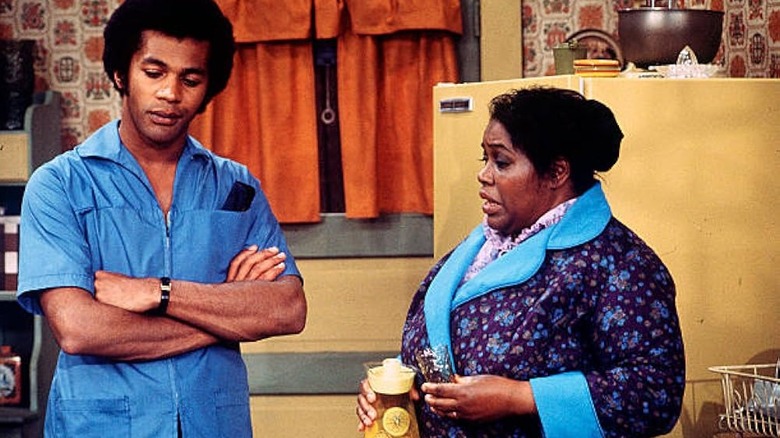
If one were to analyze the history of systemic neglect in television scheduling, That’s My Mama (1974–1975) would serve as a primary exhibit. Set in a middle-class Black neighborhood in Washington, D.C., the show centered on the dynamic between Clifton Curtis, a barber clinging to his bachelorhood, and his formidable mother, Eloise "Mama" Curtis.
Supporting Data and Cultural Significance
The series was the first sitcom produced by Columbia Pictures Television, and it provided a nuanced look at generational shifts in priorities. Clifton Davis, playing the lead, was balanced by the legendary Theresa Merritt. Merritt, a powerhouse of the stage and screen (notably appearing in The Wiz and Billy Madison), provided a performance that served as the show’s anchor. Her comedic timing was impeccable, yet the series was often pitted against Little House on the Prairie, a scheduling choice that many critics at the time—and historians since—have labeled as either grossly incompetent or rooted in institutional bias. Fortunately, for those looking to rediscover this gem, That’s My Mama is currently available to stream on Tubi.
3. Mary Hartman, Mary Hartman: The Surrealist Satire
When we speak of the "Norman Lear Era," we usually list All in the Family or Good Times. However, Lear’s most subversive, daring, and deeply weird contribution was undoubtedly Mary Hartman, Mary Hartman (1976–1977).
The Implications of Genre-Bending
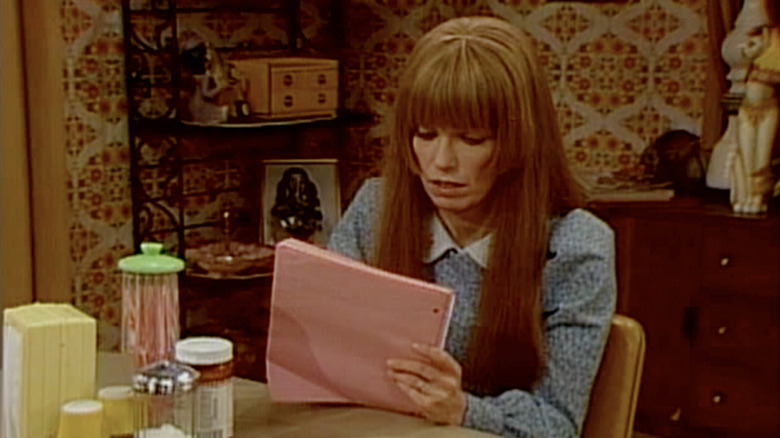
Starring Louise Lasser, the show was a direct, often disturbing satire of soap operas. Unlike the warm, laugh-track-heavy sitcoms of the era, Mary Hartman was a descent into the chaotic, paranoid, and often violent reality of a suburban Ohio housewife. It was, in many ways, the spiritual ancestor to David Lynch’s Twin Peaks and the meta-textual irony found in Marvel’s WandaVision.
As journalist Claire Barliant once noted, the show captured the "nervous breakdown" of the 1970s—a period defined by the rise of women’s liberation and the burgeoning gay rights movement. It was a show that refused to hold the audience’s hand, treating melodramatic tropes with a level of sincerity that made the humor all the more biting. While there have been whispers of a reboot—most notably a 2021 project involving Emily Hampshire—the original series remains locked behind expensive, out-of-print DVD sets. It is a show that demands a high-definition restoration and a wide release.
4. The Corner Bar: Television’s Uncomfortable Frontier
Before the polished camaraderie of Cheers or the working-class wit of Taxi, there was The Corner Bar (1972). This series is a critical piece of television history for a specific, controversial reason: it featured the first recurring openly gay character on American television.
Official Responses and Controversy
The character, Peter Panama, played by Vincent Schiavelli, was a flashpoint for debate. LGBTQIA+ activist groups of the early ’70s were largely critical of the character, viewing him as a harmful collection of stereotypes. However, when viewed through a 2026 lens, the character represents a complex moment in the fight for representation. Created by Herb Sargent and Alan King, the show was a "hangout" sitcom that, despite its short two-season run, laid the groundwork for how bars and workplaces would be depicted on screen for the next two decades. It serves as a reminder that television is often at its most "historical" when it is at its most contentious.
5. Hot l Baltimore: The Radical Experiment
Perhaps the most "lost" of all these lost shows is Hot l Baltimore. Based on the off-Broadway play by Lanford Wilson, the series was produced by Norman Lear and was, by any reasonable standard, an act of television rebellion.
Themes and Subject Matter
The title was a deliberate visual gag, referring to a hotel where the "e" in "Hotel" had burned out. The residents were a mosaic of marginalized identities: sex workers, an undocumented immigrant, and an openly gay couple—all living under one roof. The cast featured names that would go on to become Hollywood royalty, including Conchata Ferrell and James Cromwell.
The Implication of Censorship
The show was so provocative for its 1975 ABC debut that the network mandated audience warnings before every episode. It was a bold attempt to bring true-to-life grit to the sitcom format, but it was ultimately silenced. Hot l Baltimore has never seen a legitimate DVD release or a streaming debut. It remains trapped in the vault, a victim of its own progressivism. Its continued absence from modern media libraries is a disservice to the history of television and a testament to the industry’s historical fear of its own most interesting content.
Conclusion: Why These Shows Still Matter
The sitcoms of the 1970s were not just machines for generating laughter; they were social laboratories. Shows like Phyllis and Hot l Baltimore were attempting to process the rapid societal shifts of their time. By relegating these shows to obscurity, we lose the context of our current cultural moment. Whether it is the proto-Lynchian surrealism of Mary Hartman or the groundbreaking, if flawed, representation in The Corner Bar, these five series prove that the past is never really gone—it is simply waiting for a new audience to turn the channel.