The Great Mahjong Revival: Why This Centuries-Old Tile Game Has Become the Ultimate Social Status Symbol

Move over, pickleball. As the search for "screen-free" social connection intensifies in an increasingly digital world, a new—yet remarkably ancient—status game is taking the country by storm. Mahjong, the intricate, tile-based game that has served as a cornerstone of Chinese culture for centuries, has undergone a modern metamorphosis. It is no longer just a traditional pastime; it is the "it" hobby for the stylish, the social, and the screen-weary.
From the quiet corners of upscale country clubs to the living rooms of A-list celebrities, mahjong is experiencing a massive cultural renaissance. Whether you are a novice looking to learn the ropes or a seasoned player aiming to upgrade your gear, the game has evolved into a lifestyle brand all its own.
The Cultural Roots and Modern Evolution: A Chronology
To understand the current obsession, one must look at the game’s deep historical lineage. Mahjong originated in China during the Qing Dynasty, evolving from older card and domino games. It is a game of skill, strategy, and calculation, requiring four players to build hands through a complex system of drawing and discarding tiles.
For decades, the game remained a staple of community centers and family gatherings, particularly within the Asian diaspora. However, in the 21st century, the game’s visibility began to shift. The mid-2010s saw a slow but steady rise in interest as board games and "analog" social hobbies began to reclaim their popularity in the face of smartphone fatigue.
The true inflection point, however, arrived recently as high-profile figures began spotlighting the game on global platforms. Meghan Markle, Duchess of Sussex, showcased her affinity for the game in her Netflix series With Love, Meghan, bringing a new demographic of viewers to the mahjong table. Similarly, television personality Kelly Ripa has frequently lauded the game as a vital tool for community building. Ripa’s endorsements have resonated with audiences who are actively seeking ways to foster human connection away from the constant barrage of social media notifications and "doomscrolling."
The Mechanics of the Game: Why It’s More Than Just Luck
Mahjong is often compared to rummy, but with significantly more layers of complexity. Players work with a set of 144 tiles, typically featuring suits (dots, bamboos, and characters), honors (winds and dragons), and bonus tiles (flowers and seasons).
The objective is to achieve a winning hand through specific combinations of these tiles. While the fundamental rules are accessible, the mastery of scoring—which varies across different regional styles like American, Hong Kong, and Riichi—is what keeps the game perpetually engaging. Because the rules can be intricate and vary by tradition, the recent influx of official rulebooks, such as Mahjong: House Rules from Across the Asian Diaspora, has become essential reading for new clubs looking to standardize their gameplay.
Supporting Data: The "Anti-Brain Rot" Movement
The rise of mahjong coincides with a broader cultural shift toward "anti-brain rot" hobbies. As psychologists and sociologists note, the decline in face-to-face social interaction has left a void that high-speed, low-effort digital consumption cannot fill.
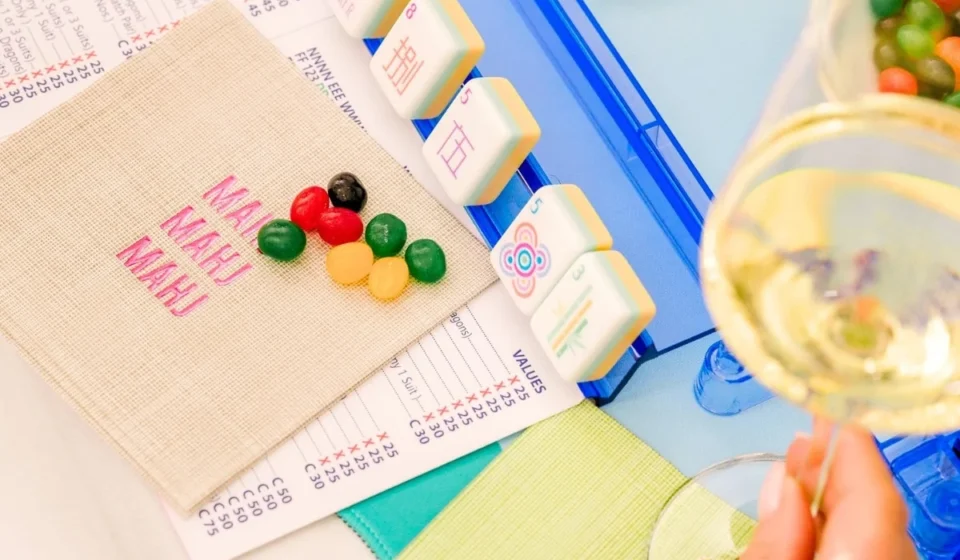
Market trends confirm this pivot. Sales of traditional tabletop games have seen a double-digit increase over the past 24 months, with mahjong-related accessories and "lifestyle" merchandise seeing the highest surge in growth. Retailers are reporting that consumers aren’t just buying the game; they are buying the experience. This includes high-end acrylic racks, neoprene mats that dampen the sound of clicking tiles, and custom-designed carrying cases that allow players to travel in style.

The Professionalization of the "Mahjong Aesthetic"
The modern mahjong movement is inseparable from its aesthetic appeal. The "Mahjong Club" is now a visual identity. Companies like Anthropologie, Printfresh, and Leatherology have entered the space, offering everything from bespoke monogrammed tile sets to quilted tote bags designed specifically to transport a heavy, four-player kit.
Essential Gear for the Discerning Player
For those looking to establish their own club, the barrier to entry is low, but the potential for "leveling up" is infinite:
- The Foundation: Start with a high-quality tile set. The Charleston Mahjong Club Tile Set is a prime example of how modern brands are infusing the game with clubhouse-inspired, custom artwork.
- The Comfort: A 33-inch neoprene mat is the gold standard for reducing noise and protecting your table. It transforms any dining room into a professional-grade gaming arena.
- The Organization: Acrylic magnetic racks, such as those from The Mahjong House, prevent the common frustration of tiles falling or shifting during the heat of a match.
- The Transport: Because mahjong is a communal activity, portability is key. The Casemate Mahjong Jelly Tote Set and Ink+Alloy’s quilted totes are designed to keep tiles, scorecards, and dice organized while doubling as a chic accessory.
Beyond the Table: Fashion and Lifestyle
The reach of mahjong has extended well beyond the game board. It has become a design motif in the fashion world. From Printfresh’s Eco Satin pajama sets featuring "Lucky Tile" prints to Made by Mary’s mother-of-pearl tile pendants, players are finding ways to signal their membership in this community even when they aren’t mid-game.
This trend has also entered the hosting space. Decorative items—such as mahjong-themed stir sticks, insulated tumblers, and even needlepoint pillows from Furbish Studio—have turned the game into an excuse for elevated entertaining. It is no longer just about winning; it is about the "tablescape" and the environment in which the game is played.
Implications for Social Connectivity
The most significant implication of the mahjong revival is the validation of the "third place." After years of isolation and digital-only interaction, the physical act of sitting around a table with three other people, engaging in strategic thought, and participating in the banter of a live match, is proving to be a powerful tonic for modern loneliness.
Experts suggest that the tactile nature of the game—the sound of tiles being shuffled, the weight of the pieces in the hand, and the necessity of eye contact—triggers a level of dopamine and social bonding that is entirely absent in digital gaming.
Official Guidance for New Clubs
If you are considering starting your own club, the consensus among experts is clear: keep it simple, keep it social, and invest in the right materials.
- Standardize the Rules: Do not let debates over rules stall the fun. Invest in a reputable guidebook early on to ensure all players are on the same page.
- Focus on the Experience: The transition from a "game" to a "hobby" happens when the environment matches the effort. Good lighting, comfortable seating, and proper hosting supplies (like coasters and refreshments) ensure that your guests feel valued.
- Encourage Sustainability: As the market grows, opt for high-quality, durable goods. Whether it’s a personalized leather carrying set or a machine-washable mat, buying items that last is better for your wallet and the environment.
Conclusion: A Game for the Ages
Mahjong’s resurgence is not a fleeting trend; it is a correction. As society realizes that the "status" of a hobby is no longer tied to how much time you spend on a screen, but rather how much time you spend in the company of others, mahjong stands out as the perfect medium. It challenges the mind, respects tradition, and provides the aesthetic pleasure that makes modern living feel a little more curated and a lot more connected.
Whether you’re playing for the win or just for the love of the tiles, one thing is certain: the mahjong table is the place to be.