A New Era for British Cinema: Edinburgh International Film Festival Unveils Star-Studded 2026 Industry Program

The Edinburgh International Film Festival (EIFF) has officially signaled its intent to become the primary heartbeat of the British film industry. By unveiling a formidable five-day industry program for its 2026 edition, running from August 14–18, the festival is positioning itself not merely as a showcase for finished works, but as a critical laboratory for the future of independent cinema.
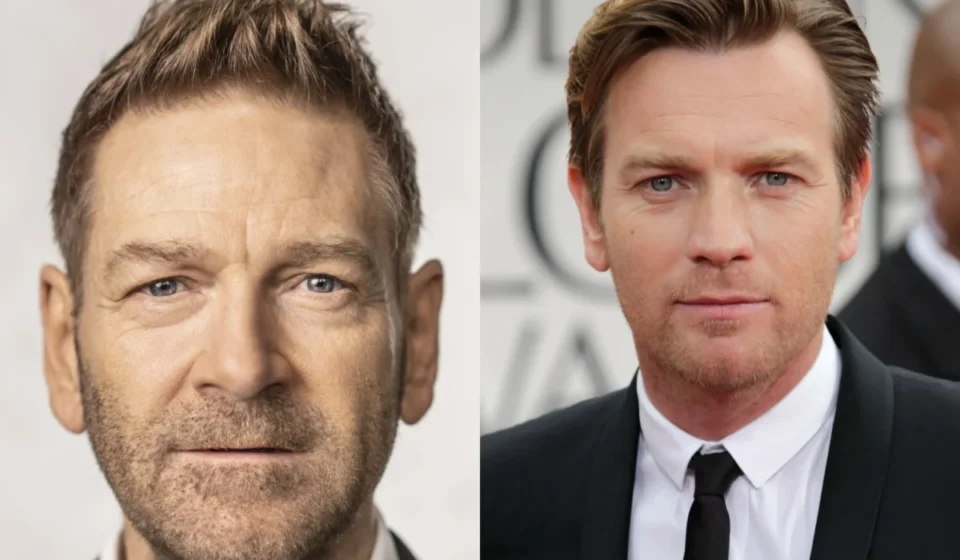
Anchored by the inaugural U.K. Film Conference, the program boasts an A-list lineup of industry titans, including Ewan McGregor, Kenneth Branagh, documentary legend Ken Burns, producer Christine Vachon, and veteran character actor Bruce Dern. Set within the festival’s atmospheric hub at Central Hall, the initiative aims to serve as a "state-of-the-nation" summit, directly addressing the existential pressures currently facing U.K. filmmakers.
The State of the Nation: The U.K. Film Conference
The centerpiece of the festival’s industrial strategy is the U.K. Film Conference, which officially kicks off on August 15. The opening keynote features BFI CEO Ben Roberts in conversation with Picturehouse creative director Clare Binns. Their discussion will set the tone for the entire week, focusing on the precarious landscape of British independent film.
The framing of this conference is intentionally provocative. In an era where British producers are increasingly pressured to deliver high-concept, ambitious cinema on drastically compressed budgets, the EIFF is acting as a stress-test site. The conference will scrutinize how the current financial ecosystem—a mix of public grants and private equity—can realistically sustain the creative visions of the next generation.
A highlight of this inquiry is the session titled “Would This Get Made?”—a panel that serves as a reality check for the industry. Participants will analyze iconic British classics such as Whisky Galore!, If…, Trainspotting, and Four Weddings and a Funeral, debating whether these films could secure financing or distribution in the landscape of 2026. The panel features industry heavyweights including Killer Films co-founder Christine Vachon, alongside top executives from Film4, BBC Film, Altitude, and the talent agency Casarotto Ramsay & Associates.
A Chronological Deep Dive into the Program
The five-day schedule is meticulously curated to balance high-level networking with granular, "nuts-and-bolts" production strategy.
August 14: Visionaries and Foundations
The festival opens with a focus on institutional knowledge. Christine Vachon, the powerhouse producer behind some of the most influential independent films of the last three decades, will headline a standalone talk, offering a masterclass in navigating the complexities of independent production.
Parallel to this, the program will explore the mechanics of literary adaptation in "From Page to Screen." Featuring Sarah Brocklehurst, Miriam Battye, Jay Parini, and Marc Turtletaub, the session will draw on the festival’s selections of Extra Geography and Borges and Me to discuss how to successfully bridge the gap between source material and cinematic language.
August 15: Awards, Debuts, and the Future
The festival reaches a fever pitch on August 15, headlined by Kenneth Branagh, who will receive the inaugural EIFF Outstanding Contribution to Cinema Award. Following this ceremony, the program turns to the "second-feature bottleneck" with "Beyond the Debut." Mounted in partnership with BIFA Springboard, this session addresses a painful reality in the industry: the difficulty of maintaining a career after a successful first film. By mapping out the journey from development to distribution, the panel aims to provide a roadmap for sustainability for emerging directors.
August 16: Retrospectives and Genre Innovation
The program shifts toward the creative and the nostalgic. Ewan McGregor will participate in a BAFTA Scotland-backed conversation, marking the 30th anniversary of Trainspotting. This session promises to be a cultural touchstone, reflecting on how a gritty, localized Scottish story transformed into a global phenomenon—a trajectory that serves as an aspirational model for contemporary Scottish filmmakers.
Simultaneously, the genre-focused “New Nightmares” session will offer a snapshot of the U.K.’s burgeoning horror and genre scene. Featuring actor-director Max Minghella and filmmakers Prano Bailey-Bond, Chee Keong Cheung, and Joby Stephens, the session will discuss the specific challenges and unique creative opportunities found within the genre sector.
August 17: Career Masterclasses and Artistic Legacies
Documentary legend Ken Burns will take the stage for an extensive career retrospective. Known for his exhaustive, sweeping examinations of American history—from the Vietnam War to the American Revolution—Burns will sit down with journalist Dave Calhoun to discuss the art of long-form nonfiction storytelling and the responsibility of the documentarian in the digital age.
Later in the day, legendary character actor Bruce Dern will join Variety chief film critic Guy Lodge for a career-spanning conversation. From the experimental era of Roger Corman to his collaborations with Hitchcock, Hal Ashby, and Quentin Tarantino, Dern’s insights into the craft of acting and the evolution of the industry provide a bridge between the Golden Age of Hollywood and the modern independent sector.
August 18: Closing the Loop – Capital and Culture
The final day focuses on the tangible realities of investment. "Lights, Camera, Capital," a pilot program backed by Screen Scotland, will bridge the gap between creative producers and private investors. Angel investor Lynne Cadenhead will lead discussions on how the independent sector can attract non-traditional capital.
The program concludes with a vital cultural critique: Paul Sng’s “Unmaking the Colonial Gaze in Cinema,” which aims to challenge the inherited structures of representation in British film, ensuring that the next generation of independent cinema is as diverse as the audiences it serves.
Supporting Data: Why the Stress Test Matters
The urgency of the 2026 EIFF industry program is backed by data-driven concerns within the British film community. Current market trends suggest that the "middle-budget" film is rapidly vanishing. Producers are caught in a cycle where they are asked to demonstrate audience appetite at the script stage, often without the benefit of significant marketing spend or "name" talent.
The conference’s focus on "Low Budget, High Ambition" is a direct response to this. By bringing together the gatekeepers—BBC Film, Film4, and top sales agents—the festival provides a rare, transparent space to discuss why certain films receive the green light and why others, despite artistic merit, fail to move past development hell.
Official Responses and Strategic Vision
Paul Ridd, the CEO and festival director of EIFF, has been unequivocal about the significance of this year’s programming. "Our inaugural U.K. Film Conference is something of the jewel in our crown," Ridd stated, emphasizing that the festival aims to be more than just a destination for premieres.
By integrating the industry sessions directly into the festival hub at Central Hall, the EIFF is fostering a collision between talent and infrastructure. The inclusion of high-profile names like McGregor and Branagh is not merely for publicity; it is intended to draw the global industry’s eyes to the specific, practical conversations happening on the ground in Edinburgh.
Implications for the Future
The 2026 Edinburgh International Film Festival is positioning itself as a central node in the global independent film ecosystem. By tackling the systemic issues of the U.K. film industry—financing, career longevity, and the colonial gaze—the festival is elevating the discourse from mere artistic appreciation to industrial preservation.
If the EIFF succeeds in its goal of becoming a "state-of-the-nation" summit, it will create a template for how regional film festivals can act as essential hubs for professional development. The focus on the "sophomore effort" and the "stress test" of current projects suggests that the festival is betting on the long-term health of the industry, prioritizing sustainable careers over fleeting successes. As the festival prepares for its August run, the global film community will be watching closely to see if this blend of star power and grit can effectively chart a new path for British cinema in the decade to come.