The Kingdom of Lost Potential: Why ‘Galavant’ Remains the 2010s’ Most Underrated Masterpiece

In the current landscape of television, fantasy has firmly established itself as the bedrock of "Peak TV." Following the cultural juggernaut that was HBO’s Game of Thrones, streaming giants and networks alike have raced to capture the magic of high-stakes, epic storytelling. From the sprawling vistas of Middle-earth in The Lord of the Rings: The Rings of Power to the grit of The Witcher and the intricate world-building of Shadow and Bone, modern fantasy is defined by its gravitas. These productions are spectacles of scale, designed to elevate the genre through brooding atmosphere, cinematic battles, and intense, adult-oriented drama.
However, in this pursuit of seriousness, television has largely abandoned the whimsy, self-awareness, and sheer comedic joy that once defined the genre’s most beloved entries, such as The Princess Bride or Monty Python and the Holy Grail. Amidst this sea of stern knights and tragic prophecies, one short-lived ABC series from the mid-2010s stands out as a colorful, musical anomaly that dared to poke fun at the very tropes everyone else was taking so seriously. That show is Galavant.
The Genesis of a Musical Fairy Tale
Aired between 2015 and 2016, Galavant was a bold experiment in network television. Created by Dan Fogelman—a creative powerhouse who would later find massive critical and commercial success with This Is Us and the series Paradise—the show was designed as a "glorious fairy tale cliché." Fogelman brought together a dream team for the production, most notably enlisting the legendary Disney composer Alan Menken. With Menken’s pedigree, including his iconic work on The Little Mermaid, Beauty and the Beast, and Aladdin, the series possessed a musical legitimacy that few sitcoms could ever hope to replicate.
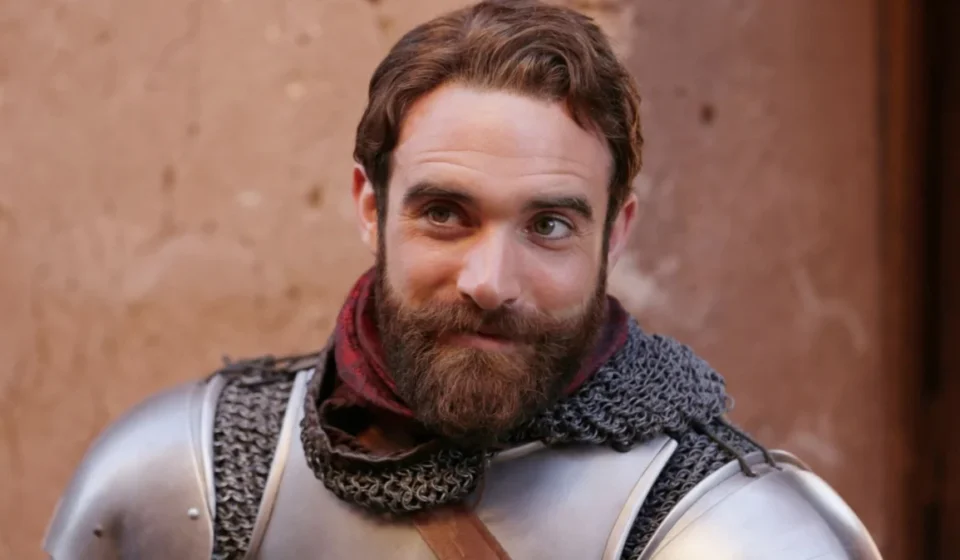
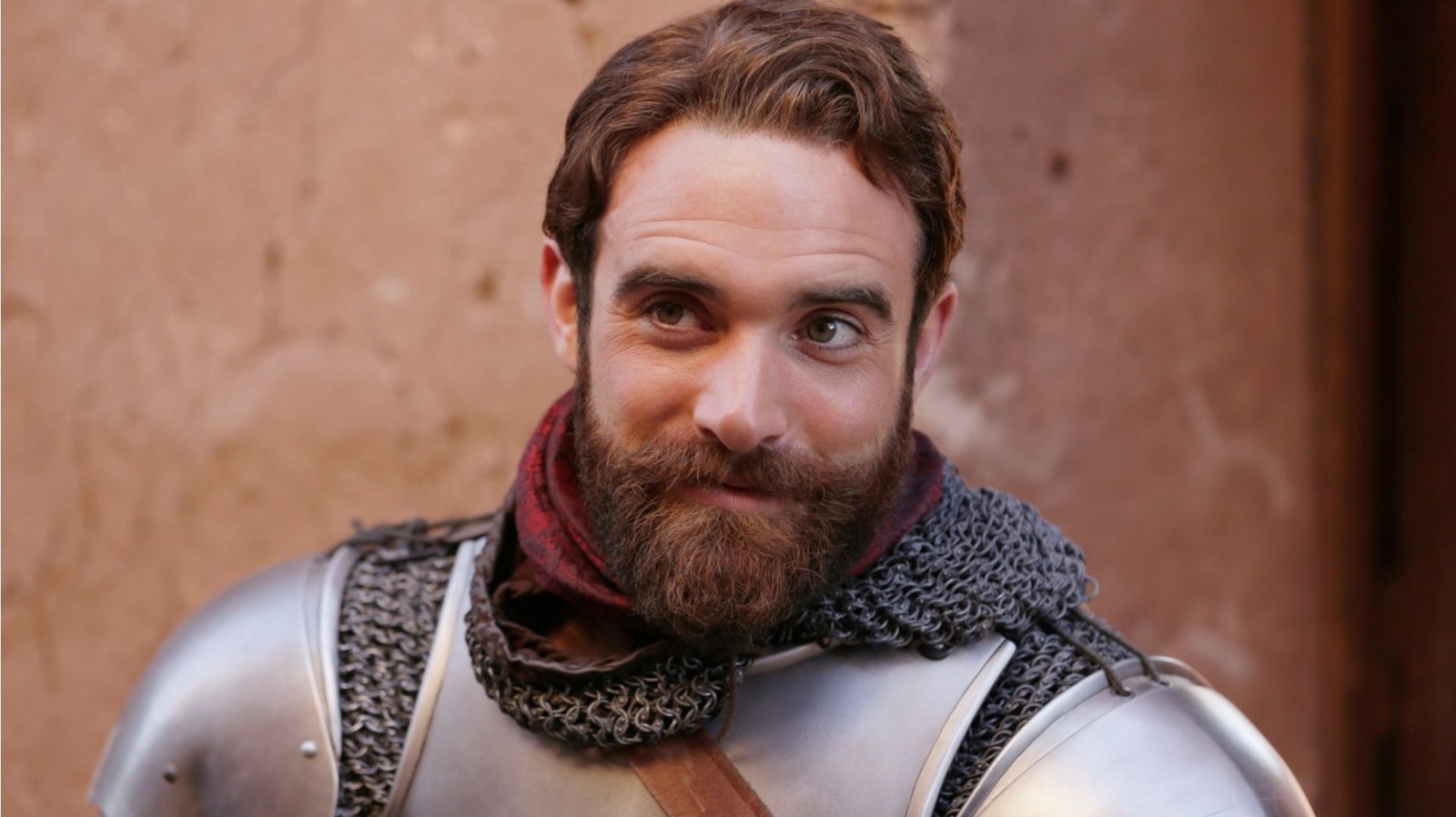
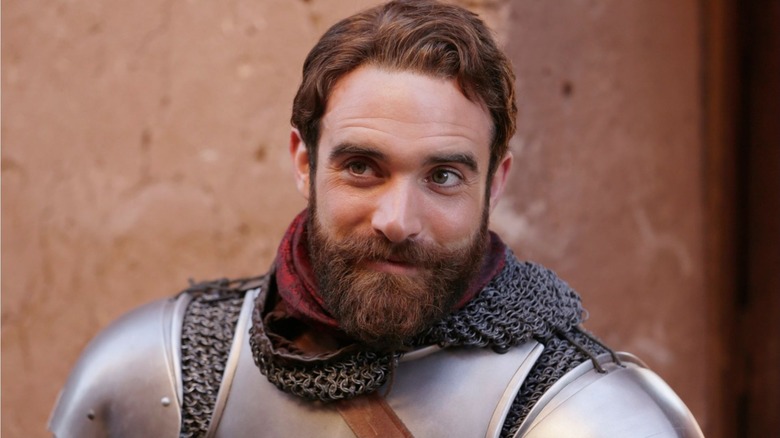
The premise is deceptively simple: The kingdom of Valencia has been seized by the tyrannical King Richard (played with scene-stealing charisma by Timothy Omundson). During his conquest, Richard kidnaps Madalena (Mallory Jansen), the woman betrothed to the kingdom’s greatest hero, Galavant (Joshua Sasse). The titular knight, initially presented as a dashing, sword-swinging savior, sets off on a quest for vengeance, rescue, and redemption. But beneath this classic knight-errant setup lies a subversive, genre-bending comedy that constantly shifts the goalposts of expectation.
A Chronology of Subversion
Galavant did not merely follow a plot; it meta-commented on the very act of storytelling. The show’s structure is unique, characterized by a rapid-fire delivery of humor and a narrative pace that refuses to linger on traditional tropes.
Season 1: The Deconstruction
When Galavant premiered in early 2015, it faced the difficult task of convincing a modern audience to embrace a musical comedy in a primetime slot. The series immediately signaled its intent by flipping archetypes on their heads. Galavant is not the pure-hearted hero we expect; he is often arrogant, selfish, and deeply flawed. Madalena, rather than being the damsel in distress, reveals herself to be far more calculating and ambitious than her captor. By the end of the first season, the audience was treated to a finale that famously broke the fourth wall, with a musical number dedicated entirely to the show’s unanswered plot lines and the anxiety surrounding its own renewal status.
Season 2: The Meta-Narrative Peak
Defying the odds, Galavant was granted a second season, which served as a masterclass in self-referential writing. The season premiere featured a song that openly mocked the low probability of the show’s survival, joked about the budgetary constraints of its guest stars, and even spoiled the majority of the season’s arcs in case the network pulled the plug mid-run. This "nothing to lose" attitude allowed the writing team to push the boundaries of their medieval setting, introducing elements of parody that ranged from Grease-inspired musical numbers to sharp-witted commentary on the absurdity of fantasy power dynamics.
Supporting Data: Why It Should Have Succeeded
While the Nielsen ratings for Galavant were modest, the show’s critical reception and cult following tell a different story. In the era of "Peak TV," Galavant was a victim of its own uniqueness. It did not fit into the standard procedural or reality TV blocks that dominated ABC’s schedule at the time.
The production value was undeniably high, with lavish costumes, elaborate choreography, and a score that utilized a full orchestra—a rarity for a comedy series. Furthermore, the show’s digital performance and later life on streaming platforms have highlighted its "rewatchability." Because the show relies on tight, episodic arcs and catchy, thematic songs, it functions more like a long-form stage musical than a traditional sitcom.
Critics often pointed to the character arc of King Richard as the show’s crowning achievement. Timothy Omundson’s portrayal of a villain evolving into a misunderstood, deeply sympathetic figure remains one of the finest comedic performances of the decade. This depth provided the necessary emotional anchor to ensure the show wasn’t just a series of sketches, but a coherent, evolving narrative.
The Official Stance: The Aftermath of Cancellation
When ABC officially canceled Galavant in May 2016, the response from the creative team was as spirited as the show itself. Alan Menken, who had poured his heart into the project, expressed immediate disappointment but also shared a vision for the future. He noted that he was actively working to reimagine Galavant for the stage.
"I love the show, I love the cast, I love the team," Menken stated at the time. For many fans, the idea of a Broadway adaptation offered a sliver of hope. While the transition from television to stage is a notoriously difficult pipeline, the musical nature of Galavant makes it a natural fit for a theater production. To date, however, the project remains in developmental limbo, a testament to the challenge of translating a show that relied so heavily on the specific camera-ready meta-humor of television into a different medium.
The Implications for Fantasy Television
The cancellation of Galavant serves as a case study for the risks of innovation in network television. It highlights a recurring issue in the industry: the difficulty of marketing "niche" genre-benders to a broad audience. Galavant was too fantasy for the average sitcom viewer and too comedic for the die-hard high-fantasy fans who were busy watching Game of Thrones.
However, the show’s legacy is far from extinguished. In the years since its conclusion, the rise of streaming platforms like Netflix and Disney+ has created homes for exactly this kind of experimental, genre-defying content. Shows like The Good Place or Schmigadoon!—the latter of which shares much of the musical DNA found in Galavant—have proven that there is a hunger for high-concept, musical, and self-aware storytelling.
Conclusion: A Legacy of Laughter
Galavant remains a "what-if" of the 2010s. It was a show that asked: What if we stopped taking fantasy so seriously? By embracing the ridiculousness of the genre, the show actually ended up creating something deeply human and genuinely resonant. It proved that you don’t need dragons or massive budgets to tell a compelling story—you just need a sharp wit, a fantastic soundtrack, and the courage to break the fourth wall.
Even years later, the songs of Galavant remain earworms, and its characters stay with those who discovered the series. Whether or not it ever reaches the Broadway stage, the show remains a shining example of what happens when creators are given the freedom to be truly, unapologetically weird. For those tired of the grim-dark trend of modern fantasy, Galavant is not just a show worth watching—it is a reminder that even in a kingdom built on clichés, there is always room for a little bit of magic, and a lot of heart.