Beyond the "Ho-Hum" Narrative: Cannes 2026 and the Quiet Revolution of Gradualist Cinema

The prevailing narrative echoing through the corridors of the Palais des Festivals this year was one of lukewarm disappointment. Critics and industry pundits alike were quick to dismiss Cannes 2026 as a "ho-hum" edition—a year devoid of singular, earth-shattering masterpieces, characterized by a lack of traditional "star power." However, this superficial assessment obscured a far more profound phenomenon: a quiet, structural revolution unfolding across the festival’s diverse selection.
While last year’s festival was defined by the white-knuckle intensity of films like Sirat and It Was Just an Accident, the 2026 iteration was the year of the "accumulative work." These were films that did not aim for the cinematic "wham-bam" blow; instead, they functioned through incremental emotional impact, fostering a sense of dramatic muscle memory in the viewer. From Ryusuke Hamaguchi’s intimate dialogues to Valeska Grisebach’s sprawling borderland sagas, the festival proved that the most potent cinema today is not found in the adrenaline rush, but in the slow, deliberate buildup of human connection.
A Chronology of Discovery: From the Competition to the Sidelines
The festival kicked off with a palpable sense of anticipation, yet the traditional hierarchy of attention—focused heavily on the Main Competition—was consistently challenged by the strength of the sidebars.
The Hamaguchi Effect and the Competition Debate
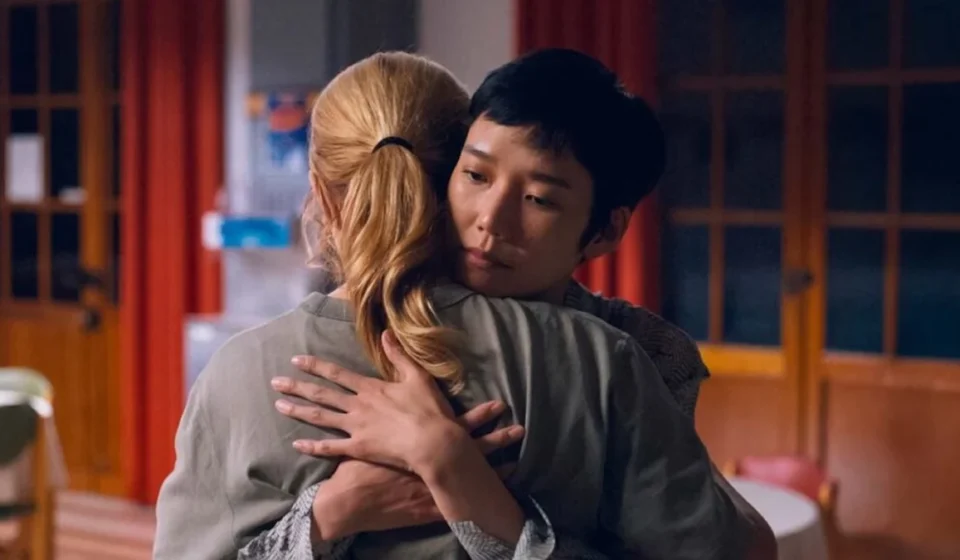
Ryusuke Hamaguchi’s All of a Sudden served as the emotional centerpiece of the festival. A sprawling, stirring exploration of connection, the film tracks an extended, life-altering dialogue between Mari, a Japanese playwright, and Marie-Lou, a French eldercare manager. Their burgeoning friendship, born from chance but sustained by a shared concern for a declining world, resonated deeply with audiences.
However, the Jury’s decision to award the Palme d’Or to Cristian Mungiu’s Fjord—a heavy-handed, polarizing study of Norwegian child protective services—sparked significant debate. Critics argued that Mungiu’s film, while technically proficient, relied on a reactionary, "stacked deck" narrative that contrasted sharply with the nuanced, organic humanism of Hamaguchi’s work. While Hamaguchi’s film missed the top prize, Virginie Efira and Tao Okamoto received a well-deserved joint Best Actress award for their performances in All of a Sudden. The film’s premiere was also marked by the presence of Japanese anthropologist Maho Isono, whose real-life correspondence with the late philosopher Makiko Miyano served as the heartbeat of the screenplay.
Gradualist Masterpieces: Grisebach and Atlan
A week into the festival, Valeska Grisebach’s The Dreamed Adventure solidified the trend toward gradualist storytelling. Clocking in at over three hours, the film tracks a middle-aged archaeologist, Veska (played with stoic precision by nonprofessional Yana Radeva), as she navigates the complexities of post-Soviet borderlands. Grisebach’s film is a masterclass in "alfresco table talk," stripping away the machismo of the Western genre to examine the raw power dynamics of strength and vulnerability.
Meanwhile, the Critics’ Week section delivered what many considered the most revelatory debut of the year: Marine Atlan’s La Gradiva. Filmed in the shadow of Pompeii, the film captures the volatile, electric energy of adolescence with a sensory sensitivity rarely seen in modern coming-of-age cinema. By avoiding the common trap of winking humor, Atlan honors the gravity of teenage crises, positioning her as a major new voice in global auteurism.
Supporting Data: The Landscape of 2026
The festival’s diversity was reflected in the breadth of distribution and genre-bending experiments that occupied the program:
- The Debut Vanguard: Nigerian directors Arie and Chuko Esiri secured the Caméra d’Or for Clarissa, a lush reimagining of Virginia Woolf’s Mrs. Dalloway filtered through a sharp, post-colonial lens.
- Genre Diversification: The inclusion of titles like Jane Schoenbrun’s Teenage Sex and Death at Camp Miasma and the high-concept Korean monster movie Hope (distributed by NEON) showcased a festival eager to embrace parasocial exploration and visceral horror alongside traditional dramas.
- The Un Certain Regard Success: Sandra Wollner’s Everytime emerged as the clear winner of the sidebar. Shot by Aftersun cinematographer Gregory Oke, the film is a technical triumph of sound design and intimate framing, marking a high point in the study of grief and recovery.
The Return of History: Past as Present
A significant portion of the 2026 slate was dedicated to historical period pieces that functioned as mirrors for contemporary anxieties. Pawel Pawlikowski’s Fatherland offered a fleet, elegant road movie featuring Thomas and Erika Mann, using the 1949 post-war landscape to question the fragility of democratic principles in the face of resurgent authoritarianism.
Similarly, Emmanuel Marre’s A Man of His Time utilized 16mm stock to immerse viewers in the moral rot of Vichy France. By basing the lead character on his own great-grandfather’s letters, Marre created a harrowing, "you-are-there" experience that underscored the terrifying ease with which bureaucracy can facilitate genocide.
Official Responses and Political Gestures
Cannes has always been a political stage, and 2026 was no exception. The festival’s closing ceremony was defined by a moment of sharp antiauthoritarian defiance. Andrei Zvyagintsev, upon receiving the Grand Prix for his film Minotaur—a biting adaptation of Chabrol’s The Unfaithful Wife set within the Russian corruption industrial complex—used his platform to issue a direct, scathing critique of Vladimir Putin. His plea for an end to the war in Ukraine served as a stark reminder that the festival remains a vital site for resistance, even when the films themselves are preoccupied with the minutiae of human relationships.
Implications: The Future of the "Festival Film"
If we view Cannes 2026 through the lens of the "ho-hum" pundits, we miss the forest for the trees. The festival was not a failure of quality; it was a shift in focus. The move toward "gradualist" cinema—films that require time, patience, and emotional labor—suggests a growing disconnect between the fast-paced, high-concept demands of commercial cinema and the thoughtful, introspective pace favored by today’s most daring directors.
The implications are clear: the "festival film" is becoming an increasingly specialized product. When works like Radu Jude’s update of Diary of a Chambermaid or Ira Sachs’s The Man I Love focus on the disarming power of performance rather than the spectacular nature of plot, they demand a new kind of literacy from their audience.
Furthermore, the success of films like La Gradiva outside the main Competition highlights a welcome decentralization of the "Cannes hierarchy." Audiences are increasingly looking past the red carpet and the Palme d’Or to find the films that actually speak to the present moment.
As the curtains closed on the Lumière Theater, the legacy of Cannes 2026 was not to be found in a single, definitive masterpiece, but in the cumulative impact of a hundred different stories. For those of us who spent the week navigating the complexities of Seydoux’s transformative performance in Arthur Harari’s The Unknown or the quiet, desperate hope in Hamaguchi’s All of a Sudden, the festival was a resounding success. It was a reminder that the most radical thing a filmmaker can do today is to ask the audience to slow down, to pay attention, and to acknowledge the interconnectedness of our fragile, declining world.
While the critics may have been looking for fireworks, the real story of 2026 was the quiet, persistent hum of a medium finding new ways to document the human soul. These are the films that will remain with us—not as a fleeting festival memory, but as a recurring, essential dialogue in the years to come.