
The landscape of independent cinema has long been a fertile ground for exploring the intersection of adolescent angst and the supernatural. However, few recent entries have managed to capture the specific, ethereal frequency of female trauma as vividly as Avalon Fast’s latest feature, Camp. A tonally mischievous and visually arresting exploration of sisterhood, Camp subverts the traditional "summer camp horror" tropes to deliver a profound meditation on how young women process grief through the lens of the occult.
Main Facts: A New Vision of Genre-Bending Cinema
Camp, directed by the prolific up-and-comer Avalon Fast, marks a significant milestone in the "witchy indie" subgenre. Starring Zola Grimmer as Emily, the film navigates the precarious emotional terrain of a young woman haunted by a fatal accident. Rather than leaning into the visceral gore typically associated with slasher films set in the woods, Fast opts for what critics are calling "ethereal exorcism."
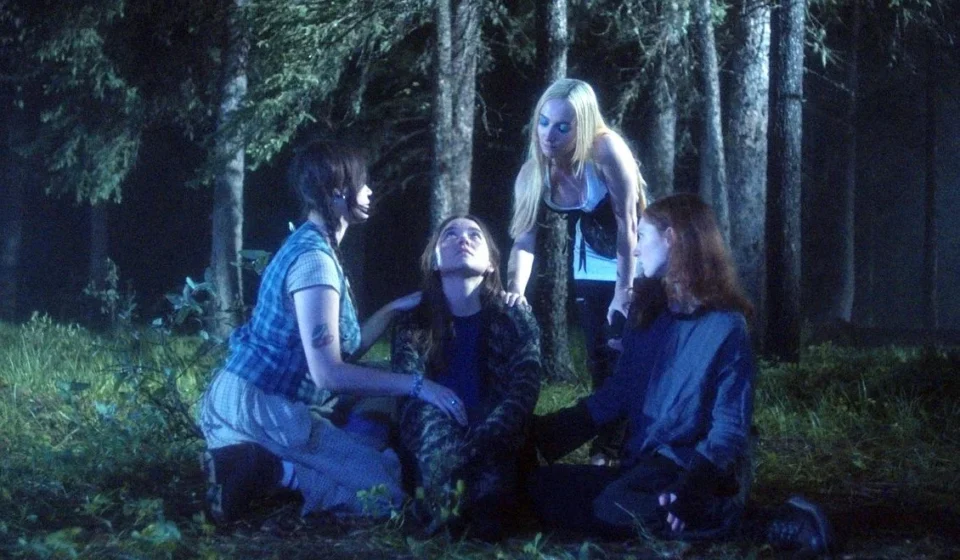
The film’s identity is defined by its "Florence + the Machine" aesthetic—a blend of forest-fairy whimsy and esoteric ritualism. Produced on an indie budget that demands formal inventiveness, the film utilizes fantastically artificial backdrops and shimmering celestial motifs to place the narrative in an interstitial space. It is a realm where the boundaries between the psychological and the paranormal are intentionally blurred. At its core, Camp is less about the mechanics of magic and more about the "practical magic" of rebuilding self-esteem and reclaiming agency in the wake of tragedy.
Chronology of a Descent: From Truth to Transfiguration
The narrative structure of Camp is a deliberate progression from cold, suburban reality to a lush, fever-dream landscape.
The Catalyst: The Truth or Dare Incident
The film opens not in the woods, but at a mundane juvenile party. The inciting incident occurs during a game of Truth or Dare—a staple of teenage social hierarchy. When Emily (Zola Grimmer) is pressed to reveal her deepest regret, she moves past a harmless confession to admit to an accidental killing. This moment of radical honesty sets the stage for the film’s preoccupation with the weight of secrets. The night ends with a second death occurring under Emily’s watch, cementing her status as a vessel for tragedy.
The Arrival: Irony at the Summer Camp
Seeking a reprieve or perhaps a form of penance, Emily arrives at a summer camp for troubled children. The irony is heavy: a woman who cannot reconcile her own internal darkness is tasked with providing emotional support to the next generation of "troubled" youth. This middle act functions as a slow-burn introduction to the camp’s unique culture. Here, the traditional counselor-camper hierarchy is secondary to the bonds formed between the female staff.
The Initiation: Into the Coven
Emily is quickly absorbed into a core group of girls who have attended the camp for years. Led by the alluring and de facto leader Clara (Alice Wordsworth) and the vivacious Rosie (Cherry Moore), the group introduces Emily to a world where "self-determining sorcery" is the primary tool for survival. The chronology shifts from standard drama to a series of moonlit rituals and "practical magic" sessions, where the girls prioritize their own healing over their professional duties.
The Climax: Sacrifice and Catharsis
The film’s tension culminates in the interactions with the camp’s few male figures, specifically Dan (Austyn Van de Kamp), a "God-fearing" leader. In a subversion of the "final girl" trope, the film depicts a sacrificial act—not of blood, but of the male ego and traditional morality—to fuel the feminine force of the group. The story concludes not with a battle against an external monster, but with Emily’s internal "exorcism" of her demons, leading to a state of empowered acceptance.
Supporting Data: Aesthetic and Performance Metrics
The effectiveness of Camp relies heavily on its technical execution and the "expertly calibrated" performance of its lead.
The Grimmer Performance
Zola Grimmer’s portrayal of Emily is the anchor of the film. According to early critical reviews, her performance is a study in "unraveling." She transitions from a state of despondent isolation to one of communal empowerment. The "pendulum of emotions" she navigates—sadness, despair, and ultimately, catharsis—is earned through a script that avoids easy answers.
Cinematography and Visual Language
Collaborating with cinematographer Eily Sprungman, Avalon Fast employs a visual style that prioritizes "mood over mechanism."
- Frame Composition: Shining stars often take over the entire frame, symbolizing the overwhelming nature of the girls’ internal worlds.
- The "Florence" Influence: The forest-fairy aesthetic serves as a visual shorthand for a specific type of modern feminine mysticism.
- Artificiality as Art: The use of clearly artificial backdrops serves to remind the audience that this camp is a psychological sanctuary, a place removed from the "real" world where their traumas occurred.
Gender Dynamics by the Numbers
The film is notable for its lack of concessions to male characters. In a thematic breakdown:
- Male Agency: Minimal. Men are either "afterthoughts" or "sacrifices" for the feminine collective.
- Female Bond: The primary engine of the plot. The "sorority" formed by Emily, Clara, and Rosie is presented as the only viable path to recovery.
- Father-Daughter Dynamic: The one exception to the male exclusion is Emily’s father, who represents a tether to the world she is trying to leave behind, though he remains unable to bridge the gap of her pain.
Official Responses and Production Context
While Avalon Fast is still an emerging voice, Camp has already drawn comparisons to the works of Jane Schoenbrun, particularly Teenage Sex and Death at Camp Miasma. Both filmmakers are credited with "usurping the modes and tropes of horror" to explore humanistic concerns.
The Filmmaker’s Intent
In industry discussions, Fast has been noted for her "prolific" output and her commitment to a "gendered consciousness." Sources close to the production indicate that the lack of detail regarding the other girls’ backgrounds was a deliberate choice. The intent was to show that the longer one stays at the camp, the more "distant those sorrows become," replaced by the immediacy of the present sisterhood.
Critical Reception
Critics have praised the film for its "formal inventiveness," noting that it succeeds where many indie horrors fail: by creating an atmosphere of "unpredictability and anticipation" without relying on the crutch of danger. The consensus suggests that Camp is a "delicate register" of horror that prioritizes the "exorcizing of demons" over the exploitation of gore.
Implications: The Future of "Witchy" Humanism
The release of Camp carries several implications for the future of independent genre cinema and the representation of female mental health on screen.
1. The Reframing of the "Troubled Girl" Trope
By moving away from the "victim" narrative and toward one of "self-determining sorcery," Fast provides a new template for stories about female trauma. The implication is that recovery is not a passive process of therapy, but an active, even "malevolent" (in a playful sense) reclamation of power.
2. Aesthetic-Driven Storytelling
The success of the "Florence + the Machine" aesthetic in Camp suggests a growing appetite for films that prioritize atmosphere and "vibe" as much as plot. For younger audiences, the visual language of the forest and the occult serves as a relatable metaphor for finding community in an increasingly disconnected world.
3. The Marginalization of the Male Perspective in Horror
Camp represents a bold step in genre filmmaking where the "male gaze" is not just ignored but actively sacrificed for the narrative’s goals. This shift suggests a burgeoning market for films that treat female sisterhood as a self-contained universe, where the presence of men is either a sacrifice or an irrelevance.
4. A New Freedom from Tragedy
The film’s conclusion—where Emily is no longer "swallowed by tragedy" but held up by a "new loving force"—offers a blueprint for "cathartic horror." It implies that the genre can be used to heal rather than just to haunt. As Emily steps away from the tethers of her past, the film leaves the audience with a sense of "new freedom," suggesting that the ultimate "magic" is the ability to redefine one’s own story.
In summary, Avalon Fast’s Camp is a significant addition to the modern cinematic canon. It is a film that understands that the most terrifying ghosts are not those in the woods, but those we carry within us—and that sometimes, it takes a little bit of witchcraft and a lot of sisterhood to finally lay them to rest.