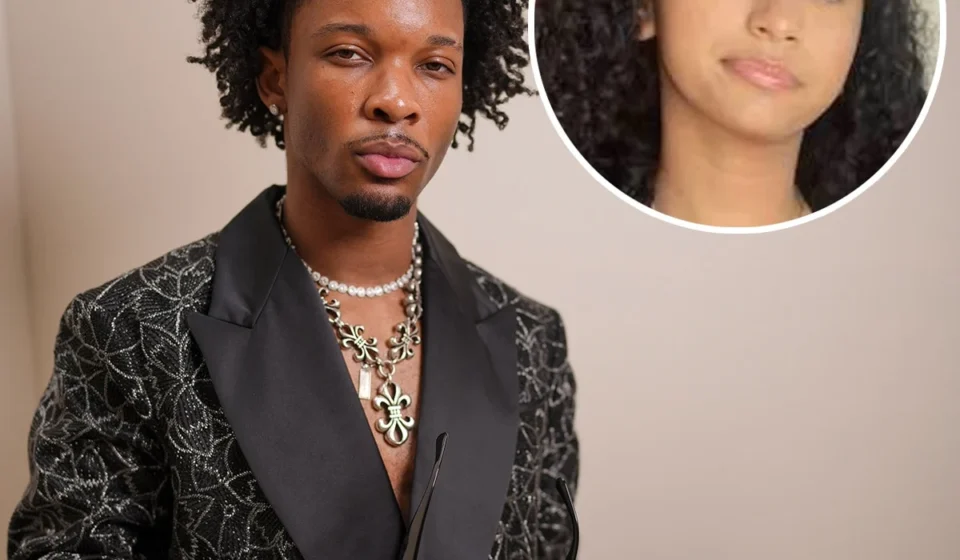

The music industry and the public at large are currently fixated on a harrowing legal proceeding involving David Anthony Burke—the 21-year-old viral sensation known professionally as D4vd—who faces severe criminal charges, including murder, in the death of 14-year-old Celeste Rivas Hernandez. As a Los Angeles court prepares for a critical three-day preliminary hearing beginning July 21, the details emerging from prosecutors’ filings have painted a disturbing picture of a relationship that spiraled from an illicit affair into a calculated and gruesome homicide.
The Charges and Legal Stakes
David Anthony Burke is currently held without bail as he faces a grim array of charges: one count of murder, one count of continuous sexual abuse of a child under the age of 14, and one count of unlawful mutilation of human remains. The criminal complaint further alleges "special circumstances," including the murder of a witness, murder for financial gain, and lying in wait, along with a special allegation regarding the use of a deadly weapon.
The upcoming preliminary hearing is a pivotal juncture. It will not determine guilt or innocence in the traditional sense, but will instead function as a test for the prosecution to demonstrate that there is sufficient evidence to support these grave charges and warrant a full trial. Burke, through his legal team—Blair Berk, Marilyn Bednarski, and Regina Peter—has entered a plea of not guilty, asserting that the evidence will prove he was not the cause of the teenager’s death.
A Timeline of a Tragedy: From Connection to Discovery
The narrative presented by the District Attorney’s office suggests a timeline that spans from early 2022 to the discovery of human remains in September 2025.
The Origin and Escalation
According to court documents, Burke and Rivas Hernandez first met in January 2022. Prosecutors allege that by November 2023, when the victim was 13 and Burke was 18, they had entered into a sexual relationship. Throughout 2024, the relationship reportedly intensified, with the teenager spending weekends at Burke’s Hollywood Hills home and accompanying him on travel to Las Vegas, London, and Texas. Digital evidence, including text exchanges referencing pregnancy and contraception, as well as explicit photographic evidence, allegedly corroborates the nature of their relationship.
The Breaking Point
Despite a reported breakup in November 2024, communication between the two allegedly persisted, involving continued sexual relations. The situation reached a volatile apex on April 22, 2025. Prosecutors allege that an argument ensued, fueled by the victim’s jealousy over Burke’s interactions with other women. The victim purportedly threatened to expose their relationship to jeopardize Burke’s rising music career.
On April 23, 2025, Burke allegedly summoned Rivas Hernandez to his residence via an Uber. This date has been identified by investigators as the likely time of her death. Prosecutors contend that Burke killed the victim to silence her and protect his professional reputation.
The Alleged Cover-Up
The post-mortem actions described by prosecutors are particularly disturbing. Allegations state that Burke engaged in a methodical, weeks-long effort to dispose of the body and sanitize his home. This reportedly included the purchase of a shovel, chainsaws, a body bag, heavy-duty laundry bags, and an inflatable pool—the latter of which was allegedly used to prevent blood from staining his garage floor.
Most chilling are the allegations concerning the dismemberment of the body. Prosecutors claim Burke amputated the victim’s left ring and pinky fingers—specifically to remove a tattoo of his own name—and that he left the remains to decompose within the trunk of his Tesla for several months.
Discovery and Arrest
The case broke wide open on September 8, 2025, when a tow-yard manager in Hollywood reported a foul odor emanating from an abandoned Tesla. Upon investigation, the LAPD discovered the dismembered remains of Rivas Hernandez. The Los Angeles County Medical Examiner later ruled the cause of death as "multiple penetrating injuries" and the manner as homicide. Burke was subsequently arrested on April 16, 2026.
The Intersection of Fame and Infamy
The rapid rise of D4vd is a hallmark of the digital age. Born in Queens and raised in Houston, Burke transitioned from a casual gamer playing Fortnite on YouTube to a chart-topping artist almost by accident. Encouraged by his mother to create his own music after facing copyright hurdles with his gaming content, he began producing tracks on his smartphone.
His sound resonated with Gen Z audiences, leading to viral success on TikTok and the eventual release of his debut album, Withered, in April 2025. His career trajectory was skyrocketing just as the alleged events of April 2025 occurred. The juxtaposition of his public persona—a melancholic, romantic pop artist—with the clinical descriptions of the prosecution’s brief has left the public and his fanbase in a state of shock.
Official Responses and Evidence
District Attorney Nathan J. Hochman has been vocal regarding the gravity of the case. In an April 2026 press release, he stated, "Celeste was just a child… when David Burke allegedly engaged in repeated lewd and lascivious sexual relations with her. When she threatened to expose his criminal conduct and devastate his musical career, Burke allegedly murdered her."
Conversely, the defense maintains a posture of defiance. In their initial statement following the arrest, the defense attorneys emphasized, "The actual evidence in this case will show that David Burke did not murder Celeste Rivas Hernandez and he was not the cause of her death. We will vigorously defend David’s innocence." The upcoming hearing will provide the first public look at the evidentiary weight of these conflicting positions.
Implications for the Music Industry and Legal Precedent
The case against Burke raises broader questions about the oversight of young, internet-native celebrities who ascend to fame with minimal institutional management. The discovery of "a significant amount" of child sexual abuse imagery on Burke’s iCloud account, as noted in recent prosecutorial briefs, further complicates his legal standing and public perception.
This case also highlights the complexities of digital evidence in modern homicide investigations. From GPS data and Uber logs to encrypted text messages and online shopping histories, the digital trail left by the defendant is central to the prosecution’s "roadmap of evidence."
As the legal process moves toward the July 21 preliminary hearing, the court will have to sift through a voluminous amount of data. For the family of Celeste Rivas Hernandez, the proceedings represent a search for justice in the wake of an unimaginably violent loss. For the public, the case serves as a dark reminder of the disconnect that can exist between an artist’s curated online identity and the reality of their private life.
The trial, should the case move forward, promises to be one of the most high-profile and harrowing legal battles in recent California history. It will test not only the strength of the evidence against Burke but also the resilience of a justice system tasked with untangling the motives of a young man who, at the height of his fame, was allegedly committing acts of profound horror.