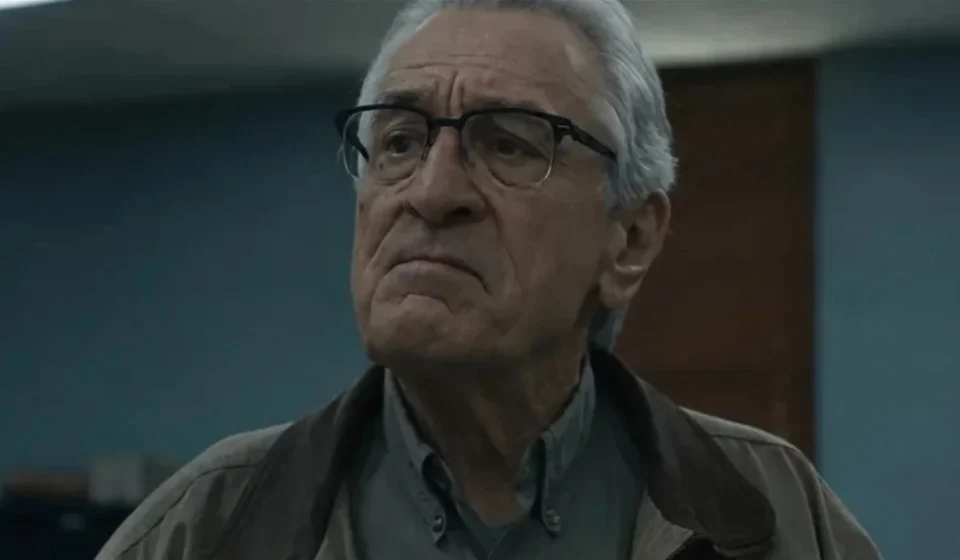
The Whisper Man Review: A Predictable but Atmospheric Addition to the Netflix Thriller Canon

In the landscape of modern streaming, Netflix has carved out a specific niche for the "watchable thriller"—those mid-budget, star-studded genre exercises that occupy a space between high-art prestige and disposable background noise. The latest entry in this category, The Whisper Man, arrives with a pedigree that promises more than it ultimately delivers. Directed by James Ashcroft and adapted from Alex North’s chilling novel by screenwriters Ben Jacoby and Chase Palmer, the film is a technically proficient but narratively thin exploration of trauma, legacy, and the serial killer thriller trope.
While the film manages to rise—if only slightly—above the service’s notorious reputation for churning out algorithm-friendly, forgettable content, it remains a testament to the limitations of modern genre filmmaking when style is prioritized over substance.
The Premise: Gothic Echoes and Generational Trauma
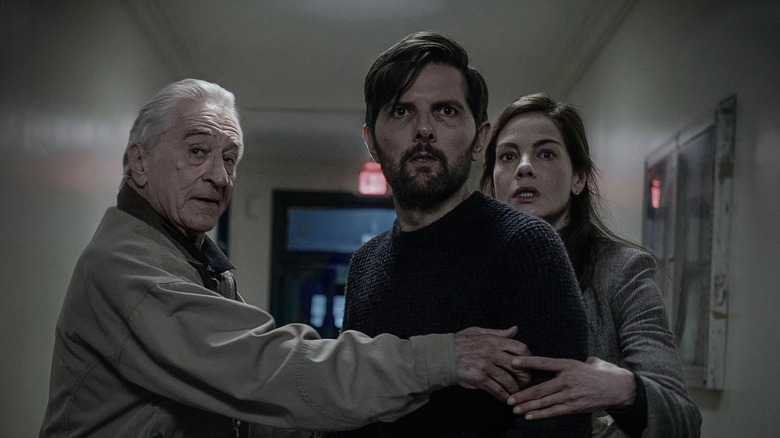
At its core, The Whisper Man follows the well-worn path of the domestic thriller. Tom Kennedy (Adam Scott), a novelist and recent widower, attempts to hit the reset button on his life by moving his young, traumatized son, Jake (Acston Luca Porto), to a new home. In a nod to classic gothic horror, the house is a sprawling, atmospheric rental complete with the requisite creepy basement and an attic that seems to harbor more than just dust.
The narrative hook is immediate: Tom struggles to connect with Jake, whose penchant for conversing with imaginary friends provides the film’s initial source of unease. However, the domestic tension is quickly shattered when Jake is abducted. The investigation reveals a horrifying pattern: the kidnapping matches the M.O. of an infamous serial killer known as "The Whisper Man," or Frank Carter.
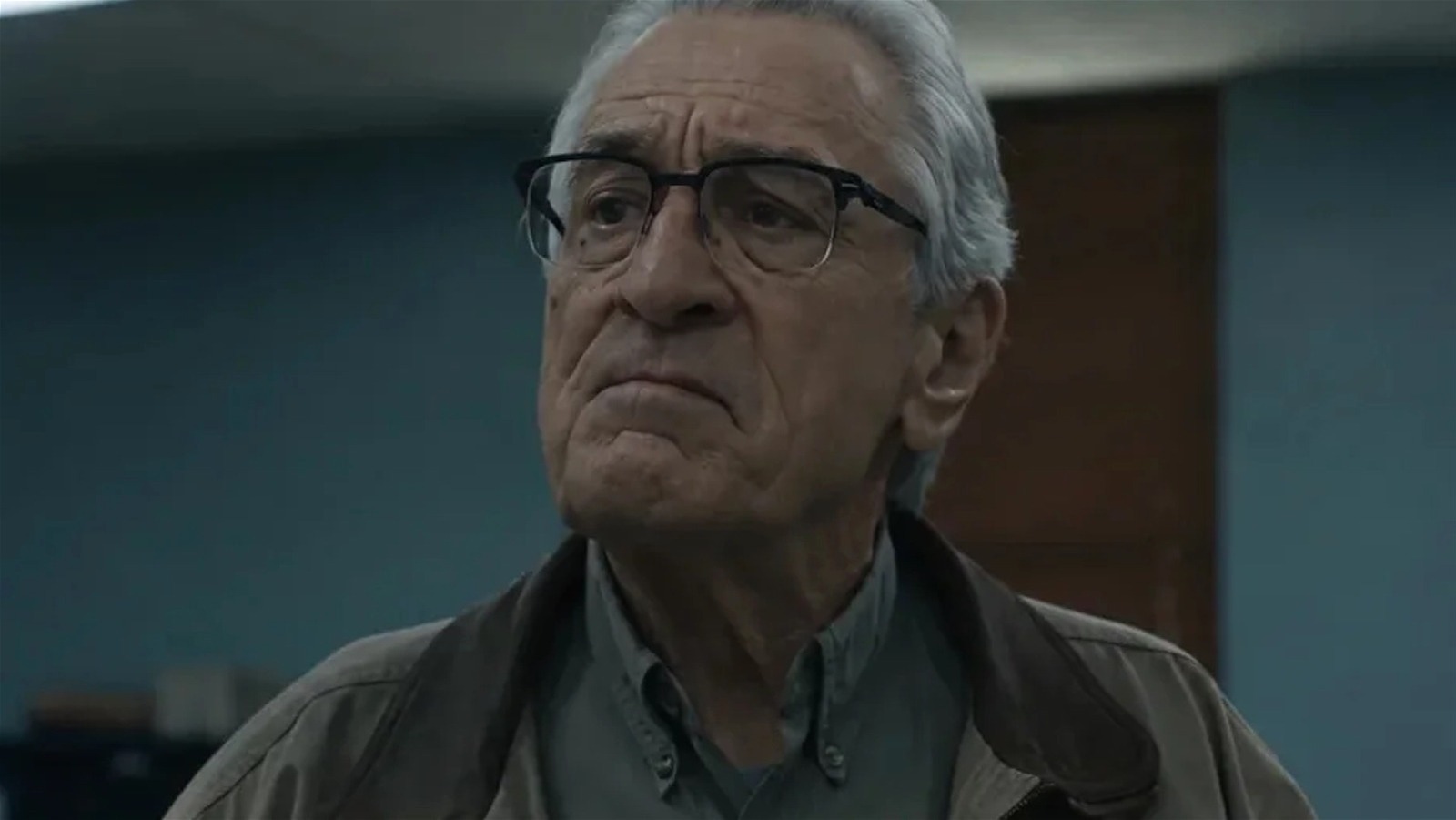
The complication, and the film’s primary narrative lever, is that Carter has been incarcerated for 25 years. The man responsible for putting him behind bars is none other than Tom’s estranged father, Pete Willis (Robert De Niro). The film attempts to weave a complex web of inherited trauma, suggesting that the sins of the father—both the literal crimes of the killer and the emotional neglect of the detective—are destined to revisit the next generation. Unfortunately, while the screenplay attempts to lean into "therapy-speak" regarding these father-son dynamics, it rarely ventures beyond the superficial, treating deep-seated emotional fractures as mere plot devices.
Directorial Flair vs. Script Constraints
Director James Ashcroft, best known for his work on the bleak horror-thriller Coming Home in the Dark and the unsettling The Rule of Jenny Pen, brings a distinct visual language to The Whisper Man. During the film’s opening act, Ashcroft successfully constructs a palpable sense of dread. By utilizing windy nights, storm-lashed exteriors, and the oppressive, claustrophobic interiors of the family home, he establishes a mood that is genuinely unnerving.
However, Ashcroft’s stylistic choices are frequently undermined by a screenplay that seems terrified of lingering on the darkness it creates. The film constantly teases gruesome, visceral details, only to have the script rush past them in a frantic bid to keep the pacing brisk. This results in a frustrating viewing experience where the potential for genuine psychological horror is consistently traded for the convenience of plot momentum.
The Cast: A Study in Contrasts
The film’s marketing hinges on the powerhouse pairing of Robert De Niro and Adam Scott. Adam Scott delivers a sturdy, if somewhat one-note, performance as the frantic, protective father. He manages to inject a degree of humanity into a character that remains largely paper-thin, coasting on his natural charisma when the script fails to provide him with meaningful development.
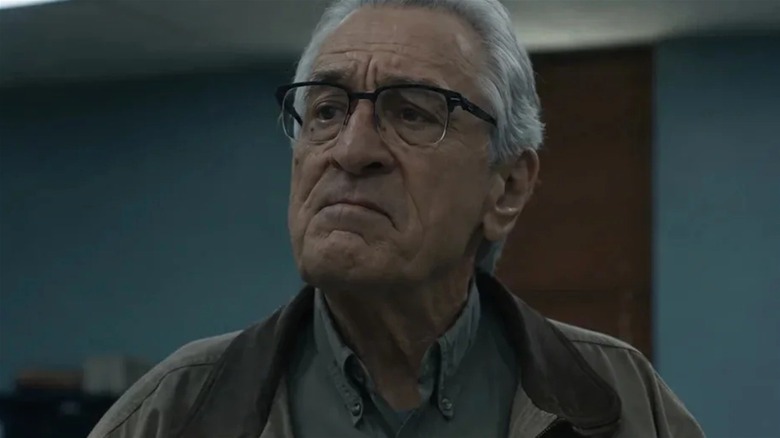
The presence of Robert De Niro, however, serves as the film’s most disappointing element. Playing the retired, alcoholic detective Pete Willis, the legendary actor appears remarkably checked out. His performance is curiously somnambulant, lacking the intensity that defined his earlier career or even the nuanced complexity he demonstrated in 2023’s Killers of the Flower Moon.
For cinephiles who grew up idolizing De Niro’s commitment to the Method, watching him in The Whisper Man is a sobering experience. One cannot help but wonder if the legendary intensity of his youth has been replaced by a more utilitarian approach to his later-career roles. Conversely, Michelle Monaghan, playing Detective Amanda Beck, does the heavy lifting in terms of energy. Though her character is saddled with an underwritten backstory involving her faith as a Quaker—a detail that hints at depth but is ultimately discarded—Monaghan brings a sense of gravity and urgency that the film desperately needs.
Hamish Linklater, appearing in a smaller role as a smarmy, serial-killer-obsessed suspect, is perhaps the film’s brightest spot. He brings a chilling, magnetic energy to the screen, leaving the viewer wishing that the narrative had focused more on his character’s dark obsession rather than the standard investigative procedural unfolding elsewhere.
Chronology of the Investigation: A Predictable Path
The narrative structure follows a traditional investigative timeline, but it is marred by a fatal flaw: transparency. As Christopher Nolan recently posited, the ability to identify a film’s "mechanism" shouldn’t necessarily invalidate the experience. However, in The Whisper Man, the "mechanism" is so transparent that it becomes impossible to ignore.
- The Abduction: Jake is taken, and the police are baffled by the uncanny resemblance to the 25-year-old Whisper Man case.
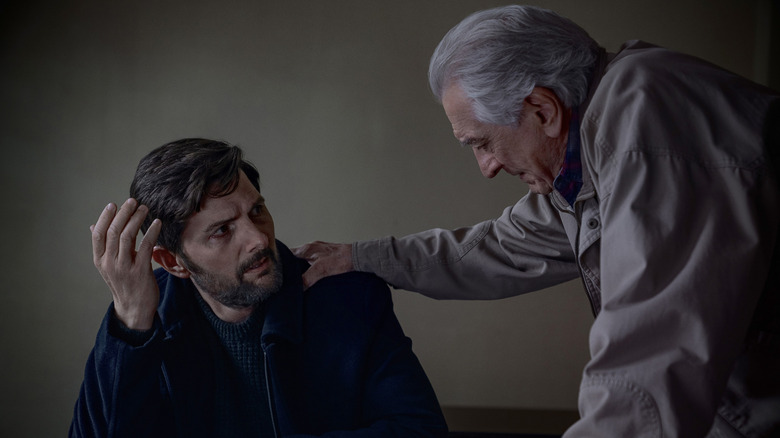
- The Reconnection: Tom is forced to reconcile with his estranged father, Pete, to gain insight into the mind of the killer.
- The Investigation: The detectives (Monaghan and her team) follow leads that, to the audience, appear blindingly obvious.
- The Reveal: The film builds toward a "twist" that feels like an inevitability rather than a shock, leaving the audience feeling more like they are waiting for the characters to catch up than participating in a mystery.
This predictability forces the audience to view the investigators as consistently "clueless," which undermines the stakes of the entire film. If the protagonists are consistently outpaced by the viewer, the sense of danger evaporates, leaving behind a sterile, procedural skeleton.
Implications for the Streaming Era
The existence of The Whisper Man raises broader questions about the current state of the film industry. Decades ago, a mid-tier thriller featuring an actor of De Niro’s stature would have been a standard theatrical release, marketed to audiences looking for a solid, if uninspired, night out. Today, such films are increasingly relegated to the digital void of streaming platforms.
This transition has fundamentally changed the nature of the "average" film. The Whisper Man is, by no means, a bad movie. It is technically competent, occasionally atmospheric, and features performances that—while not career-defining—are far from offensive. It is the definition of "serviceable." But in the era of content saturation, "serviceable" is rarely enough to leave a lasting impact.
The film acts as a mirror for Netflix’s current strategy: acquire high-profile talent, wrap them in a genre-standard package, and release them into a crowded catalog. It is a formula that works for background viewing, but it leaves little room for the kind of daring, subversive storytelling that defined the thrillers of previous generations.
Final Verdict
The Whisper Man is an exercise in middle-of-the-road filmmaking. It is a movie that knows how to push the right buttons to keep a viewer engaged for two hours, but it rarely dares to challenge or surprise them. For genre fans looking for a dark, stormy night in with a thriller that offers some decent, if familiar, scares, it will likely suffice.
However, it is difficult to shake the feeling that with the talent involved—both in front of and behind the camera—the film should have been something more. As it stands, it is a sturdy, uninspired, and ultimately forgettable entry in the Netflix library, destined to be consumed and quickly replaced by the next "okay" thriller in the queue.
Rating: 5.5 / 10
The Whisper Man premieres on Netflix on August 28, 2026.