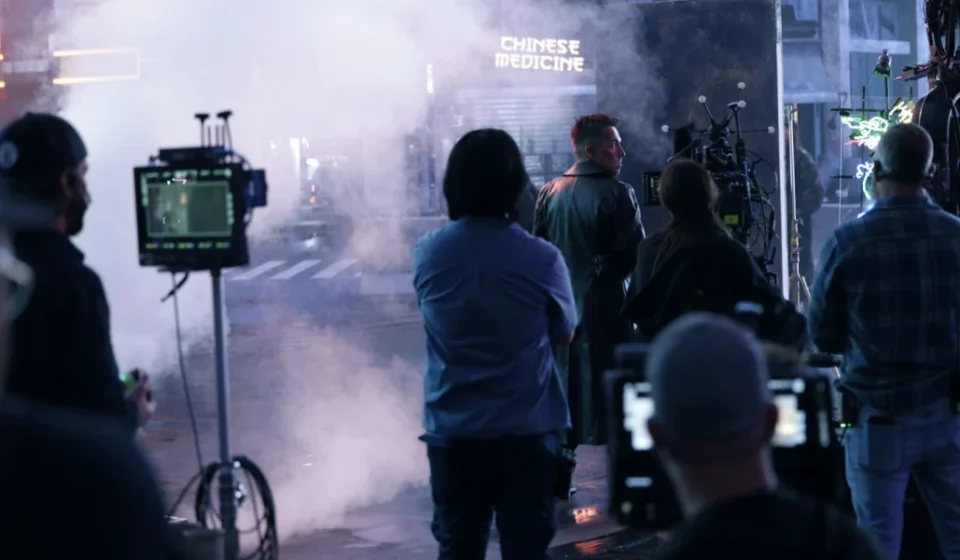
Standardizing the Volume: How the ASC’s StEM3 is Revolutionizing Virtual Production

In the high-stakes world of modern filmmaking, the LED volume has emerged as a transformative tool, effectively collapsing the distance between live-action photography and visual effects. Yet, for all its creative power, this technology has introduced a daunting "black box" variable into the cinematographer’s pipeline. When a production crew walks onto an unfamiliar virtual stage, they are often flying blind. Are the colors accurate? Is the dynamic range calibrated correctly for the specific sensor of their camera? Is the LED wall causing subtle, hidden artifacts that won’t be noticed until weeks later in the edit suite?
To address these existential questions in the virtual production workflow, the American Society of Cinematographers (ASC) Motion Imaging Technology Council (MITC) has officially released StEM3 (Standard Evaluation Material). Hosted by the Academy Software Foundation (ASWF) as part of its Digital Production Example Library (DPEL), this free, open-source collection of standardized assets provides a universal "benchmark" for virtual production stages worldwide.
The Problem: The "Black Box" of In-Camera VFX
Virtual production is a complex orchestration of disparate technologies: real-time game engines (typically Unreal Engine 5), high-speed render nodes, specialized LED processors, precise camera tracking systems, and the physical camera package itself.
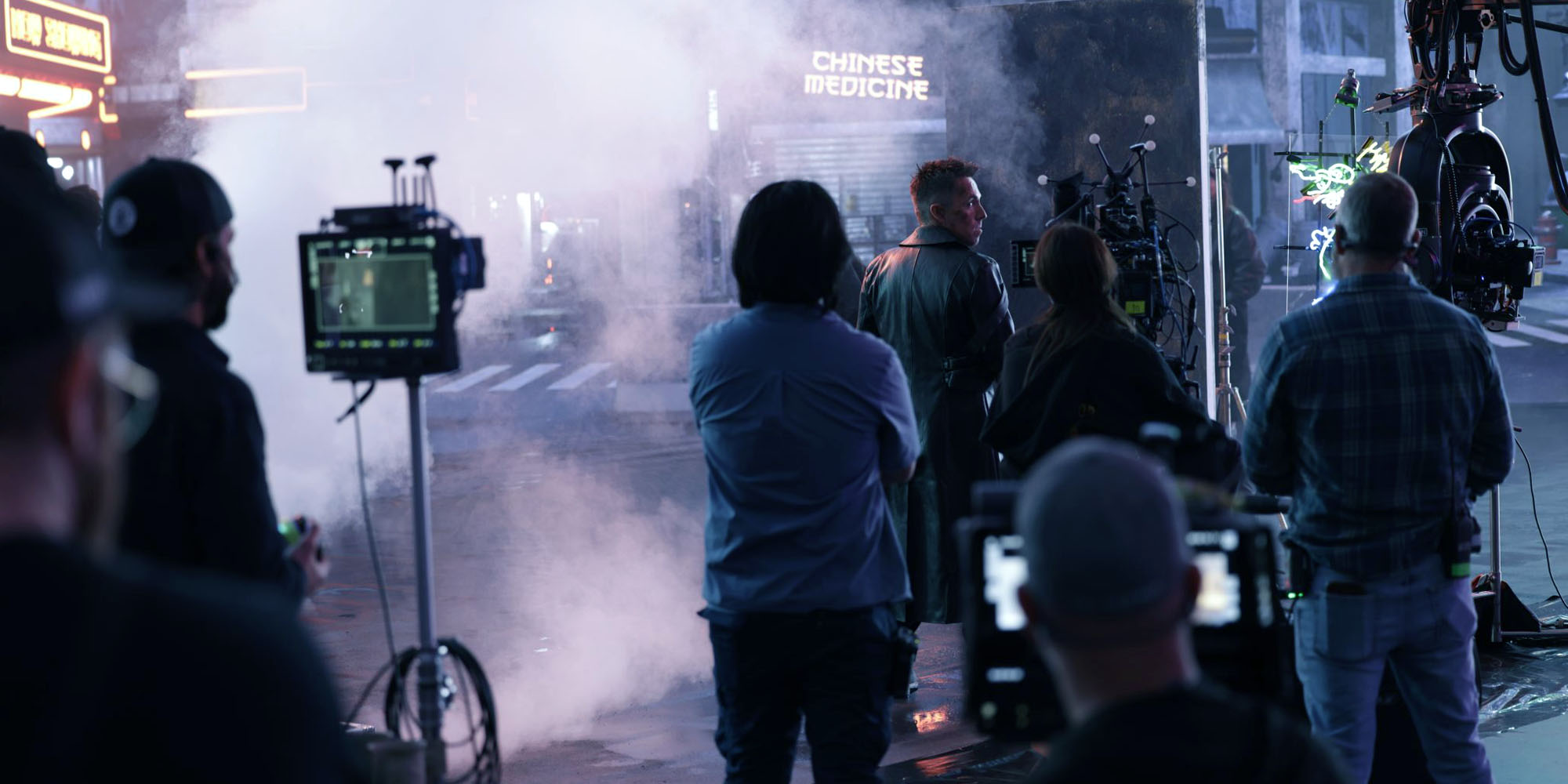
In traditional filmmaking, a cinematographer can test their lenses and color science in a controlled environment and trust the results. In virtual production, the "environment" is the technology. If the LED volume is improperly calibrated, the camera might capture "baked-in" errors—color shifts, panel mismatching, or poor dynamic range—that are prohibitively expensive to fix in post-production.
As Michael Goi, ASC, ISC, and co-chair of the ASC MITC, points out, cinematographers have frequently encountered stages where the performance simply didn’t match the promises. "Color rendition was off, and dynamic range was sketchy," Goi notes. Without a standardized way to test these systems, crews were left guessing, relying on subjective feedback rather than empirical data. StEM3 changes that by providing a "known image" that can be loaded onto any volume to verify its integrity before a single frame of principal photography is shot.
A Chronology of Evaluation: From StEM to StEM3
The release of StEM3 is the latest chapter in a long-standing ASC initiative to bring scientific rigor to creative workflows.
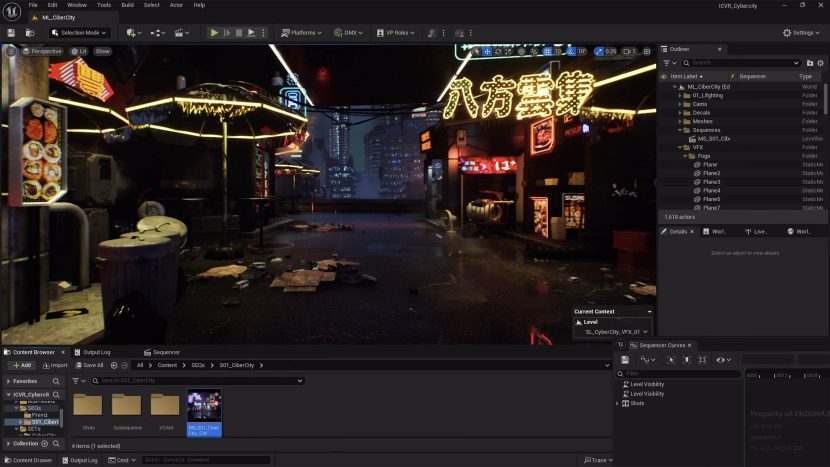
- The Original StEM (2000s): Developed during the industry’s tectonic shift from film to digital acquisition, the original StEM provided reference material to help the industry understand how digital sensors translated reality compared to traditional celluloid.
- StEM2 (2010s): As the industry pivoted toward high dynamic range (HDR), wide color gamuts (WCG), and higher-resolution digital projection, StEM2 emerged. It served as a stress test for the entire imaging chain, ensuring that post-production facilities and camera manufacturers were speaking the same "color language."
- StEM3 (2026): The current iteration shifts the focus from the post-production pipeline to the onset virtual-production volume. It acknowledges that in modern ICVFX (In-Camera Visual Effects), the "post-production" process is happening in real-time, on the stage, in front of the lens.
This progression reflects the evolution of the filmmaker’s role. As technology has become more integrated, the cinematographer’s domain has expanded to include light-emitting walls, game engines, and real-time compositing. StEM3 is the industry’s acknowledgment that these tools require the same level of calibration as a traditional film stock or a high-end cinema camera.
Supporting Data: What’s Inside the StEM3 Suite?
StEM3 is not merely a collection of test charts; it is a comprehensive suite of production-ready assets designed to stress-test every aspect of a virtual stage. The assets are licensed under the ASWF Digital Assets License v1.1, ensuring they remain accessible to the global production community.
The Asset Portfolio
The library includes a variety of high-fidelity, pre-built environments that cover a broad spectrum of photographic challenges:
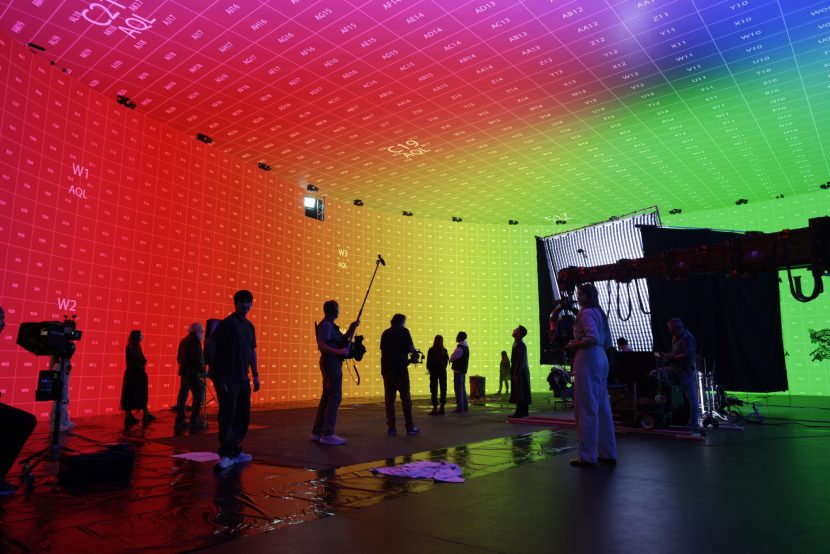
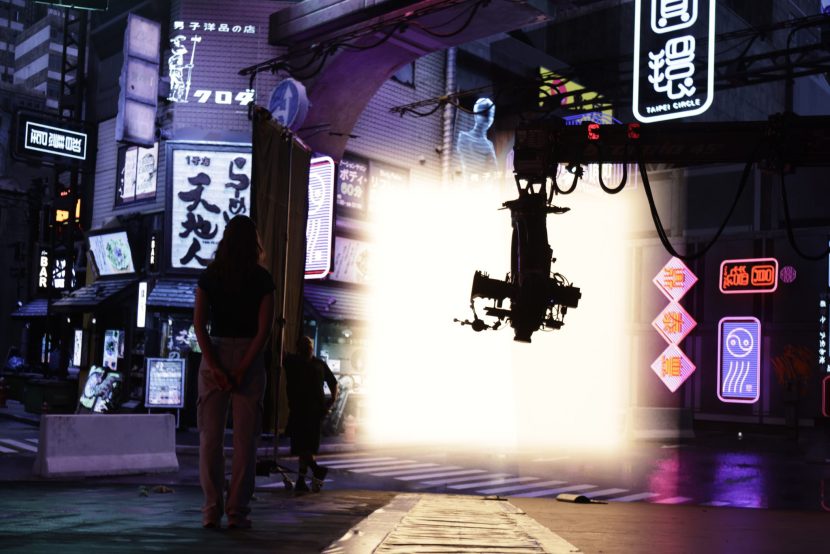
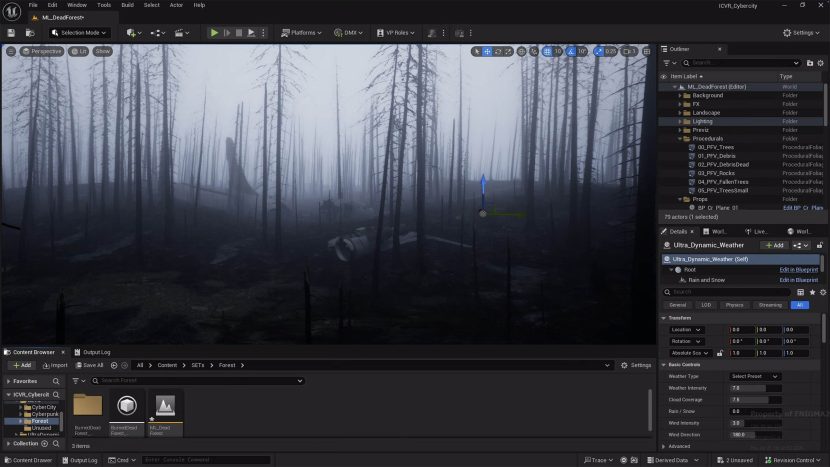
- Diverse Environments: Ranging from subway tunnels and Himalayan base camps to urban alleys and Western towns. These settings aren’t just "pretty pictures"; they are designed to test how a volume handles different lighting intensities, shadow detail, and color temperatures.
- 2D Test Elements: These provide a mathematical baseline for contrast, focus, and color reproduction, allowing engineers to calibrate panels against a known reference.
- Technical Benchmarks: By loading the same scene into two different stages, a production can now make objective comparisons. Instead of relying on "memory" or "gut feeling," producers can see how Stage A and Stage B handle the exact same data, ensuring consistency for shows that move between multiple facilities.
Official Responses: Industry-Wide Collaboration
The development of StEM3 was a massive collaborative effort, signaling a rare moment of alignment between major studios and technology providers. Contributors include Amazon Studios, Dolby, Epic Games, Sony, Walt Disney Studios, Nant Studios, Pixomondo, and ROE Visual.
David Morin, Executive Director of the Academy Software Foundation and an ASC associate member, emphasizes that this project keeps the cinematographer at the center of the technological conversation. "Cinematographers shouldn’t have to be motion-imaging scientists," Morin explains. "However, they do need a common language to talk to the engineers, colorists, and VFX supervisors."
The goal is to facilitate a professional workflow where the technology serves the story, rather than the story being constrained by the limitations of the technology. By providing this common baseline, the ASC is effectively lowering the barrier to entry for productions that might otherwise be intimidated by the technical complexity of virtual production.
Implications: The Future of In-Camera Filmmaking
The long-term implications of StEM3 for the film industry are profound.
1. The Shift to "Final Pixels"
One of the primary benefits of virtual production is the ability to achieve "final pixels"—where the shot captured on set is the one used in the final edit. StEM3 supports this by ensuring the system is behaving predictably. When a crew knows the volume is calibrated, they can make creative decisions with confidence, knowing the virtual lighting will blend seamlessly with the physical foreground.
2. Standardizing the "Unknowns"
Every LED volume is unique. Factors like panel pitch, processor latency, and refresh rates can create "hidden" issues like moiré, shutter sync errors, or color shifts that are difficult to diagnose. StEM3 provides a systematic way to identify these issues during prep. If the StEM3 scene looks "off" on a monitor, the team knows exactly where to look for the fault, saving days of potential downtime during a shoot.
3. Preserving Creative Intent
A common fear in the film industry is that standardization leads to homogenization. The ASC argues the exact opposite. By establishing a "neutral" baseline, filmmakers are actually freed to experiment. When you know where "normal" is, you can confidently push the look in a warmer, cooler, or more stylized direction. Without that reference, any deviation from reality might be an accident rather than a choice.
4. A Bridge Between Departments
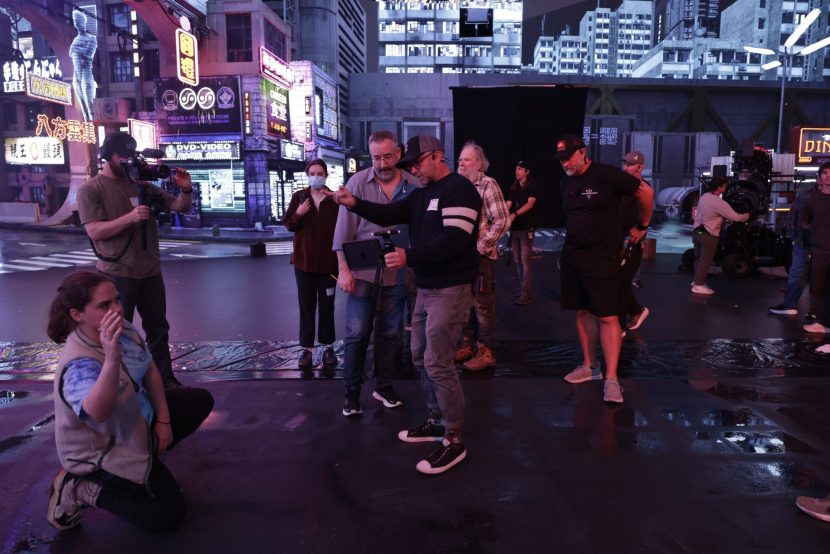
The role of the Virtual Production Supervisor has become the new fulcrum of the film set. StEM3 acts as a bridge between the art department, the VFX team, and the camera crew. It provides a common reference point that prevents the "finger-pointing" that often occurs when a shot doesn’t look right. Instead of debating, the team can simply load the StEM3 test scene and see if the issue is with the asset, the camera settings, or the LED wall itself.
Conclusion: Empowering the Storyteller
In the final analysis, StEM3 is about returning the power of the image to the cinematographer. While virtual production will always be inherently complex—merging the worlds of software engineering, color science, and traditional lighting—it shouldn’t be chaotic.
By providing a free, industry-standard toolset, the ASC and the Academy Software Foundation have given filmmakers the key to the black box. The message is clear: load the material, look through the lens, calibrate the stage, and then get back to the most important task of all—telling a compelling story. As the industry continues to push the boundaries of what is possible in the virtual realm, StEM3 ensures that the foundation of those images remains as solid as the light hitting the sensor.
The era of guessing is over. The era of precision, predictability, and creative exploration in the volume has officially begun.