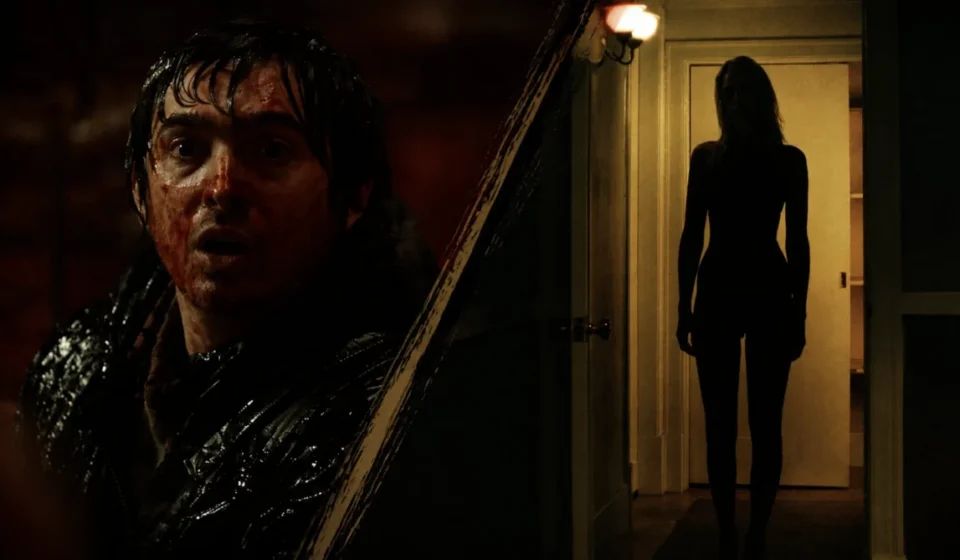
A Brutal Autumn for Horror: ‘Resident Evil’ and ‘Breeder’ Secure Hard-Hitting MPA Ratings

The horror genre is preparing for a visceral conclusion to the 2026 theatrical calendar, with two highly anticipated features confirming that they have no intention of softening their edges for a wider audience. This week, the Motion Picture Association (MPA) officially handed down its age-classification ratings for two of the most discussed projects in the genre: Zach Cregger’s ambitious Resident Evil adaptation and Alex Goyette’s provocative indie breakout, Breeder.
For horror enthusiasts, these ratings—both firmly set at R—serve as a promising validation of the filmmakers’ commitment to maintaining the integrity of their source material and creative vision.
The MPA Verdict: A Return to R-Rated Roots
The MPA rating system has long served as the final gatekeeper for theatrical horror, and for both Resident Evil and Breeder, the designation reflects a refusal to compromise on intensity.
Zach Cregger’s Resident Evil has officially been rated R for “strong bloody violence, gore, and language throughout.” This classification is a significant milestone for the franchise, which has historically struggled to strike a balance between its video game origins and cinematic sensibilities.
Simultaneously, the genre-bending thriller Breeder, directed by Alex Goyette, has been tagged with an R rating for “disturbing material, violence/bloody images, sexual content, graphic nudity, and language.” The inclusion of “graphic nudity” and “disturbing material” marks Breeder as a more transgressive, adult-oriented entry, positioning it as one of the most provocative films of the fall season.
Chronology: From Concept to Classification
The journey to these ratings has been a closely watched timeline of production updates and festival circuits.
The ‘Resident Evil’ Pipeline
Following the massive success of Barbarian and the anticipation surrounding his follow-up project Weapons, Zach Cregger’s attachment to the Resident Evil franchise signaled a seismic shift in how Sony intended to handle the property. Unlike previous iterations that focused on high-octane action, Cregger’s vision was framed from the outset as a “survival horror” experience.

- Early 2025: Initial reports confirmed Cregger would helm the project, focusing on a grounded, atmospheric approach.
- Late 2025: Production commenced with a focus on practical effects, as reports surfaced of sets designed to replicate the claustrophobic corridors of the iconic Raccoon City facilities.
- Summer 2026: Teaser trailers began to circulate, showcasing first-person perspectives and a fidelity to the game’s lore—including the infamous green herbs and typewriter save points—that resonated with long-term fans.
- August 2026: The MPA confirmation arrives, cementing the film’s status as a hard-R horror experience.
The ‘Breeder’ Trajectory
Breeder followed a more traditional indie path, building momentum through the festival circuit before finding its home at IFC and Shudder.
- June 2026: Breeder premieres at the Tribeca Film Festival, where it earns critical acclaim for its daring narrative.
- July 2026: Distribution deals are finalized with IFC and Shudder, aiming for an October release to capitalize on the Halloween corridor.
- August 2026: Official MPA rating confirmation secures its marketing angle as a "disturbing and hilarious" must-see for genre aficionados.
Supporting Data: Why Tone Matters
The decision to pursue an R rating is never merely about the content itself; it is a strategic business decision that dictates the film’s place in the market. In the landscape of modern horror, the "Hard R" has become a badge of honor.
Resident Evil serves as a case study in brand management. By leaning into the “strong bloody violence” cited by the MPA, the film avoids the "PG-13 trap" that often dilutes the stakes of horror movies. For a franchise predicated on the terror of biological mutation and survival against impossible odds, a watered-down rating would have been a commercial death knell. By committing to gore, Cregger validates the expectations of a fanbase that has waited decades for an adaptation that reflects the game’s unforgiving nature.
Conversely, Breeder relies on its transgressive rating to stand out in a crowded October marketplace. With "graphic nudity" and "disturbing material" listed, the film is clearly positioning itself as an intellectual, boundary-pushing piece of cinema. It is not looking to compete with the blockbuster scope of Resident Evil; rather, it aims to capture the niche, high-engagement horror audience that flocks to Shudder and independent theatrical runs.
Official Responses and Creative Vision
The creative teams behind both films have been vocal about their commitment to their respective visions.
Zach Cregger has consistently emphasized that his Resident Evil is not a reboot in the traditional sense, but an attempt to translate the feeling of playing the game into a cinematic language. “It’s about the experience,” Cregger noted in recent press junkets. “If you aren’t afraid of what’s around the next corner, you aren’t playing Resident Evil.” The inclusion of first-person perspective shots, as confirmed by production stills, suggests a film that puts the audience in the shoes of protagonist Bryan (played by Austin Abrams) as he navigates a nightmare he cannot escape.
Alex Goyette, the mind behind Breeder, has taken a different approach, leaning into the discomfort of his premise. The film follows a broke college student lured to a remote ranch by an eccentric poodle breeder—a setup that is equal parts surreal and terrifying. Caroline Colvin’s four-star review from Tribeca described it as a “perverted and hilarious horror debut,” highlighting that the film’s strength lies in its refusal to be polite. The rating reflects that—it is a film that demands a reaction, whether it be laughter or revulsion.

Implications for the Horror Market
The convergence of these two films in the fall of 2026 highlights a wider trend in the industry: the bifurcation of horror into "prestige, elevated projects" and "visceral, lore-heavy genre pieces."
The Return of the Blockbuster Horror
Resident Evil arriving on September 18, 2026, in both standard theaters and IMAX, is a massive bet on the genre. The industry will be watching closely to see if an R-rated, gore-heavy adaptation of a video game can sustain the same box office momentum as a PG-13 superhero film. If it succeeds, it could usher in a new era of high-budget, uncompromising horror adaptations.
The Indie Resilience
Breeder’s release on October 16, 2026, represents the resilience of the indie-to-streaming model. By partnering with Shudder, the film ensures its target audience—those who value the “disturbing” and “graphic” elements noted by the MPA—has easy access to it. The success of Breeder will likely be measured by its cultural impact and critical reception rather than just raw box office receipts.
Conclusion: A Season of Unapologetic Terror
As we move into the final quarter of 2026, the message from Hollywood is clear: the sanitized, mass-market horror of the past is being supplanted by a more aggressive, uncompromising style of filmmaking.
Resident Evil will test whether a massive franchise can maintain its grit, while Breeder will prove that there is still a voracious appetite for independent, transgressive storytelling. For the fans who have been waiting for a reason to return to the cinema, the promise of “strong bloody violence” and “disturbing material” is not a warning—it is an invitation.
Whether you are navigating the viral-infested streets of Raccoon City with Bryan or stumbling into the remote, nightmare-filled ranch of an eccentric breeder, this autumn promises to be anything but safe. These films aren’t just aiming for a rating; they are aiming for a lasting impression. And if the MPA’s assessment is any indication, they are well on their way to achieving it.