Venice Film Festival Under Pressure: High-Profile Figures Demand Action for Palestine

As the 83rd Venice International Film Festival approaches, the world’s oldest film festival finds itself at the center of a burgeoning geopolitical storm. A coalition of renowned artists, filmmakers, and activists—collectively known as "Venice4Palestine"—has issued a clarion call to the Venice Biennale and festival organizers, demanding that the prestigious event take "concrete action" to support Palestine amidst the ongoing humanitarian crisis in Gaza.
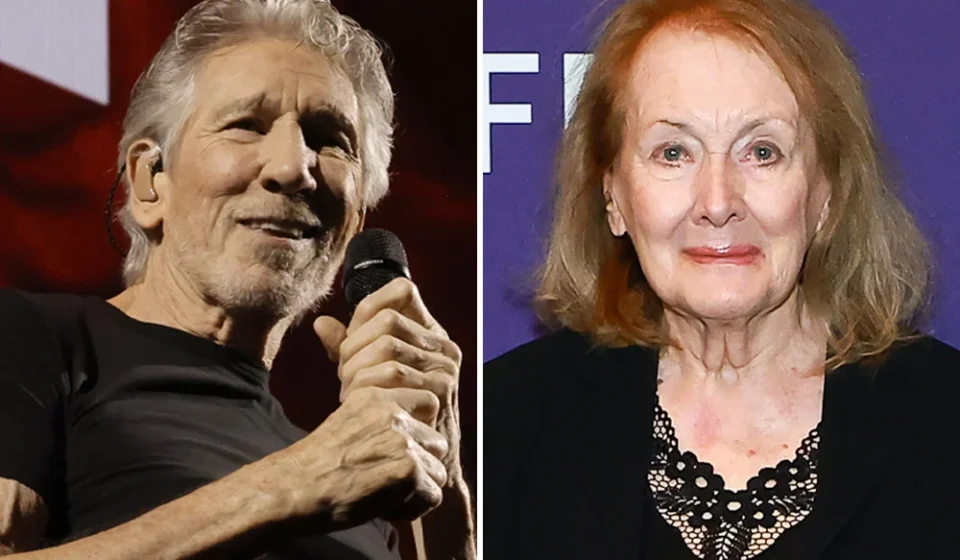
The appeal, released this past Friday, boasts a star-studded list of signatories that bridges the gap between global cinema, literature, and music. Among those lending their names to the petition are Nobel Prize-winning author Annie Ernaux, Pink Floyd co-founder Roger Waters, and acclaimed directors Isabel Coixet and Matteo Garrone. The letter serves as a potent reminder that the Venice Film Festival is not merely a platform for aesthetic excellence, but a stage where the intersections of art and global politics are increasingly difficult to ignore.
The Venice4Palestine Initiative: A Chronology of Advocacy
The Venice4Palestine collective is no stranger to the spotlight. This latest appeal marks a significant escalation from their inaugural efforts last year. In 2023, the group made headlines with specific, localized demands, most notably urging festival organizers to withdraw invitations to actors Gerard Butler and Gal Gadot, citing the pair’s past public support for Israel. While those specific requests did not result in a policy shift from the Biennale, the persistence of the collective suggests that their influence is maturing into a broader structural critique of how major cultural institutions engage with the Palestinian cause.
"One year after its first appeal, Venice4Palestine is once again calling on the Venice Biennale, the Venice International Film Festival and professionals across the film, audiovisual and cultural sectors to take concrete action in support of Palestine," the group stated in their latest open letter.
The strategy has evolved from singular boycotts to a multi-pronged approach that includes public advocacy, symbolic gestures, and the hosting of parallel events designed to force the conversation onto the festival’s official agenda. By mobilizing such a high-profile roster of signatories—which also includes Nan Goldin, Paul Laverty, Céline Sciamma, and esteemed Italian actors like Jasmine Trinca and Luigi Lo Cascio—the collective is ensuring that the festival’s silence is no longer an option.
The Demands and Symbolic Stakes
At the core of the current appeal is a request for visible, symbolic solidarity. The collective is explicitly calling for the Palestinian flag to be flown throughout the festival grounds. For the signatories, this is more than a gesture; it is a vital acknowledgment of the two Palestinian films currently featured in the festival’s official selection: Ahmed Hassouna’s Citizen Osama and Muayad Alayan’s Conversation with the Sea.
Citizen Osama offers an intimate, harrowing look at the life of a photographer attempting to navigate the impossible duality of fatherhood and journalism in a war-torn Gaza. Conversely, Alayan’s Conversation with the Sea focuses on the bureaucratic entrapment of a 60-year-old Palestinian man named Kamal, exploring the systemic obstacles that define Palestinian existence under Israeli occupation. By highlighting these films, Venice4Palestine argues that the festival’s programming inherently invites a political conversation that the organizers are currently hesitant to formally embrace.
Political Heat: The Documentary Landscape at Venice
The Venice Film Festival has a long-standing history of being a venue for political discourse. It rarely shies away from the raw, often uncomfortable realities of global conflict. Last year, the festival bore witness to a defining moment when Kaouther Ben Hania’s Gaza-set documentary, The Voice of Hind Rajab, was met with a 22-minute standing ovation—the longest in the festival’s storied history. The emotional outpouring from the audience signaled a deep-seated public desire for acknowledgement regarding the plight of civilians in Gaza.
This year, the political temperature is expected to rise further with the inclusion of Naza. Directed by Yuval Abraham and Rachel Szor, the documentary was a late addition to the competition lineup, announced just this past Monday. The film, shot clandestinely on the rooftops of Tel Aviv, is described in its official synopsis as a detailed examination of the "systems behind Israel’s calculated mass killing of Palestinian civilians in Gaza." Given the incendiary nature of the subject matter and the current climate in the Middle East, Naza is widely expected to be the most contentious and talked-about screening of the 2024 festival.
Beyond the Screen: Advocacy and Panel Discussions
The efforts of Venice4Palestine extend beyond the red carpet. The group has announced a major panel discussion titled, "And Yet Gaza Continues to Burn — What Is the Point of Seeing if We Do Not Act?" The event, which is scheduled for September 8, will take place under the aegis of the Giornate degli Autori (Venice Days), a section of the festival that maintains a degree of independence from the main Biennale organization.
The panel will serve as an intellectual and activist hub, bringing together international law experts and representatives from the Global Sumud Flotilla—an organization that has gained global attention for its attempts to deliver humanitarian aid to Gaza by sea. By facilitating this dialogue, the collective is effectively creating a "festival within a festival," ensuring that even if the Biennale administration remains tight-lipped, the attendees and delegates are presented with a platform to address the humanitarian catastrophe directly.
Institutional Silence and the Weight of Precedent
As of this writing, the Venice Film Festival has offered no immediate comment on the letter or the demands issued by the Venice4Palestine collective. This silence is consistent with the festival’s traditional stance of maintaining neutrality in the face of political pressure. The Biennale, as an entity funded in part by the Italian state, faces a complex balancing act: preserving its reputation as a global stage for artistic freedom while navigating the volatile political sensitivities of the Italian government and the international diplomatic community.
However, the weight of the signatories cannot be easily dismissed. When figures of the caliber of Annie Ernaux and Roger Waters align, they bring not just artistic prestige, but a moral authority that can sway public opinion. The challenge for the festival is that "neutrality" is increasingly viewed by activists as a form of complicity. The historical precedent of the festival—which has long platformed films that challenge state narratives—makes the current refusal to comment appear more conspicuous than it might have been in decades past.
Implications for the Future of Film Festivals
The standoff at Venice is part of a larger, global trend affecting the film industry. From Berlin to Cannes, film festivals are becoming the primary battlegrounds for the culture wars. As the 83rd Venice Film Festival runs from September 2 to 12, the industry will be watching closely to see how these tensions manifest.
Will the festival organizers allow the Palestinian flags to fly? Will they provide a platform for the Venice4Palestine panel, or will they attempt to limit its exposure? These decisions will have lasting implications for the role of arts festivals in the 21st century. If festivals are to remain relevant, they may soon find that the era of "art for art’s sake" is no longer a viable defense against the pressing moral questions of the modern age.
The presence of Naza and the high-profile call for action indicate that the festival is at a crossroads. Whether the Biennale chooses to engage with these demands or maintain its traditional buffer of institutional silence, the events in Venice this September will likely serve as a litmus test for the cultural sector’s commitment to social justice. As the world watches, the intersection of cinema and the struggle for human rights has never felt more urgent, nor more fragile.